Published March 10, 2025
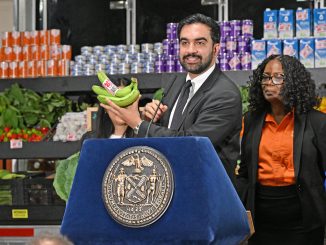
New York City’s first Muslim mayor, Zohran Mamdani, criticized an anti-Muslim protest outside Gracie Mansion but did not mention the suspects or their alleged ISIS links in his first statement about the attack.
New York City is grappling with the fallout from a failed bomb attack inspired by the Islamic State that unfolded during a controversial anti‑Muslim rally outside the official residence of Mayor Zohran Mamdani on March 7, 2026.
The Incident
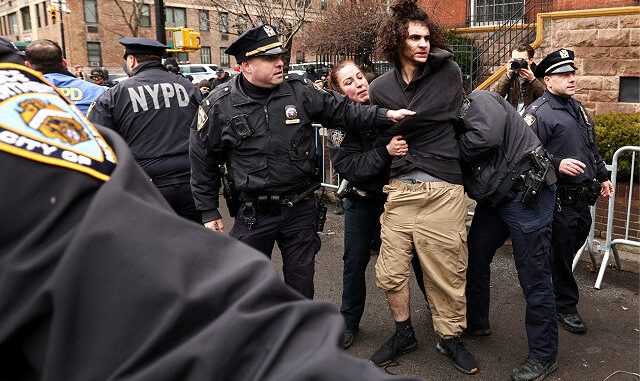
Far‑right activist Jake Lang organized a protest dubbed “Stop the Islamic Takeover of New York City” outside Gracie Mansion, drawing a mix of supporters and larger numbers of counter‑protesters. Police say tensions escalated when two young men traveled from Pennsylvania and allegedly threw homemade explosive devices toward participants.
-
Emir Balat (18) and Ibrahim Kayumi (19) have been charged with federal terrorism offenses after FBI and NYPD investigations concluded the devices were improvised explosive devices (IEDs) packed with volatile materials and capable of causing serious harm.
-
Authorities characterize the attack as “ISIS‑inspired terrorism,” noting the suspects allegedly cited allegiance to the Islamic State and materials used were similar to those in past jihadist attacks.
-
No one was seriously injured. Explosives either failed to detonate or were neutralized by NYPD bomb squads.
Federal prosecutors have charged the suspects with terrorism counts including support for a foreign terrorist organization, possession of a weapon of mass destruction, and unlawful transport of explosives.

The “pro-Muslim fanatics” admitted to watching ISIS videos, throwing the bomb after feeling their religion was insulted.LP Media

Search warrants are being executed at the Pennsylvania homes of Kayumi and Balat.
Mamdani’s Response and Criticism
In initial public statements, Mayor Mamdani focused heavily on condemning the anti‑Muslim protest, calling it a “vile protest rooted in white supremacy” and asserting that hate has no place in New York City. He labeled the attempted use of an explosive device as “reprehensible” and praised the NYPD for their response.
However, critics quickly seized on what they described as a limited condemnation of the terrorist motivations behind the attack:
-
Politicians and commentators, including Republican lawmakers, argued that Mamdani should have explicitly labeled the suspects as radical Islamist terrorists, not just criticized the protest.
-
Media commentators noted that the mayor’s remarks emphasized protests’ free speech rights and bigotry of the far‑right rally while giving less focus to the ideology or motives of the men charged in the bombing attempt.
-
Conservative outlets and figures accused Mamdani of “selective outrage” by focusing on the protest’s rhetoric rather than condemning the ISIS‑linked nature of the bombing suspects, sparking heated political debate.
Mamdani later issued a follow‑up statement reaffirming that Balat and Kayumi have been charged with committing a “heinous act of terrorism” and proclaiming their allegiance to ISIS, adding they should be held fully accountable.
Investigation and Law Enforcement Viewpoints
Federal and local law enforcement agencies, including the FBI’s Joint Terrorism Task Force, have taken the lead on the case. Officials say:
-
The duo allegedly planned to use the bombs to cause injuries or deaths during the protest.
-
One device was ignited but did not explode; a second was safely recovered and rendered inert.
-
NYPD Commissioner Jessica Tisch confirmed the incident is being investigated as “ISIS‑inspired terrorism” and linked materials to the terror group’s known explosive signatures.
Authorities conducted searches at the suspects’ homes in Pennsylvania as part of the ongoing federal probe.
Political Fallout
The incident has sparked a broader political conversation in New York:
-
Governor Kathy Hochul condemned both the terrorism attempt and the hate expressed in the protest, saying violence and bigotry have no place in the state.
-
Republicans criticized state and city leadership for what they perceive as a muted response to an Islamist‑inspired attack while strongly denouncing a rally they see as protected under free speech.
The debate reflects deeper national tensions over how public officials address terrorism, extremism, and free speech in polarized political climates.
 Public / Political Reactions
1. Public Response
-
Residents and protest attendees: Many counter‑protesters praised the quick police response and condemned both the attempted bombing and the far‑right protest’s messaging. However, some expressed frustration that media and officials focused more on the protest rhetoric than the Islamist‑linked attack.
-
Social media: Hashtags like #GracieMansionAttack and #NYCTerror trended briefly, with debates erupting over whether Mamdani’s initial statements downplayed the ISIS‑inspired nature of the incident. Conservative users criticized what they called “selective outrage,” while progressive users applauded the condemnation of white supremacist rhetoric.
2. Political Leaders
-
Mayor Zohran Mamdani: Initially condemned the white supremacist protest strongly while labeling the bomb attempt as “reprehensible.” Later issued follow-up clarifying that the suspects were inspired by ISIS and would face full legal accountability.
-
Governor Kathy Hochul: Condemned both the attempted bombing and the anti-Muslim protest, emphasizing that violence and hate have no place in New York State.
-
Republican lawmaker reaction: Criticized Mamdani for what they see as a muted response to radical Islamic terrorism, accusing him of prioritizing condemning the protest over addressing Islamist terrorism. Some called for more explicit labeling of the attackers as ISIS-inspired terrorists.
3. Law Enforcement and Security Officials
-
Emphasized the threat of ISIS-inspired lone actors, even in domestic protests.
-
Highlighted successful coordination between FBI, NYPD, and Pennsylvania authorities to prevent casualties and apprehend suspects.
 Resulting Effects
1. Leadership Perception
-
Mayor Mamdani’s initial focus on condemning the white supremacist protest rather than the ISIS-linked attack has been interpreted by some as a lack of decisiveness in addressing Islamist terrorism.
-
Commentary across media and social platforms suggests the administration’s rhetoric may prioritize political considerations over public safety, which some fear could embolden extremist actors.
2. Media and Political Framing
-
Observers note selective emphasis in coverage: the anti-Muslim protest received strong condemnation while the motives of the bomb suspects were less prominently highlighted.
-
This framing has contributed to increased scrutiny of local leadership and distrust among segments of the population who feel threats may be misrepresented or politicized.
3. Public Safety Perception
-
The bombing attempt reinforces concerns that Islamist-inspired terrorism needs clear acknowledgment and decisive action from authorities.
-
There are growing calls for stronger counterterrorism measures, more transparency in police response, and proactive steps to prevent future attacks.
4. Political Mobilization
-
The incident has become a touchpoint for arguments in favor of:
-
Stricter anti-terrorism policies at city and federal levels.
-
Greater accountability and clear communication from elected officials regarding threats to public safety.
-
-
It has also sparked debates over balancing free speech and public security in highly charged political events.
 Future Outlook
1. Heightened Scrutiny on Leadership
-
Officials may face ongoing criticism for perceived soft responses to Islamist-inspired threats.
-
Public expectations are likely to demand clearer communication and stronger messaging from city and federal leaders on terrorism and extremist violence.
2. Policy and Security Changes
-
There may be pressure to strengthen counterterrorism protocols in urban areas, especially around high-profile public events and protests.
-
Calls for enhanced coordination between federal and local agencies could influence future law enforcement strategies to prevent similar attacks.
3. Political and Civic Debate
-
The incident is expected to fuel discussions on balancing free speech with public safety, particularly regarding controversial protests and rallies.
-
Future political discourse may increasingly focus on how authorities classify and respond to domestic versus foreign-inspired extremist threats.
4. Public Perception and Engagement
-
Segments of the population are likely to monitor city leadership closely, evaluating their responses to security threats and policy decisions.
-
There may be increased public demand for accountability, transparency, and proactive measures to ensure urban safety and prevent terrorist incidents.
 Bottom Line:
The attempted bombing near Gracie Mansion highlights a critical misstep in leadership. By focusing public attention on condemning the white supremacist protest rather than the ISIS-inspired attackers, Mayor Mamdani’s response is seen by many as misplaced priorities, drawing scrutiny over whether city leadership is truly prepared to confront extremist violence.
The incident underscores the need for officials to address threats where they exist, rather than reframing the narrative to focus on political optics. Without acknowledging the full severity of the Islamist-inspired attack, the public may question whether future threats will be met with decisive action or political messaging.