Published March 18, 2025
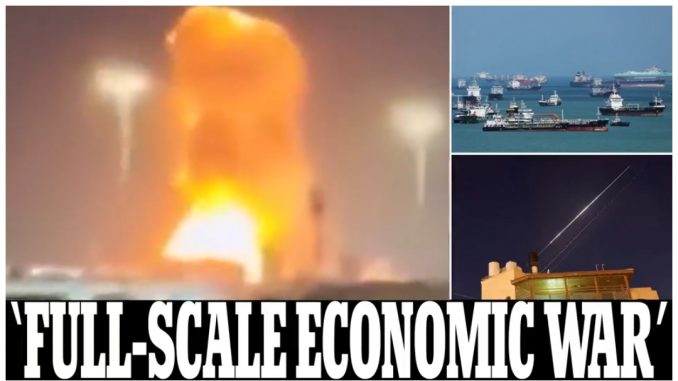
In a significant escalation of the Middle East conflict, Iran has launched missile and drone strikes that have inflicted extensive damage on Qatar’s giant energy infrastructure, including facilities tied to the world’s biggest natural gas production site. The attacks came in retaliation for a recent U.S.–Israeli strike on Iran’s own largest gas field, marking a dramatic expansion of the war beyond national borders.
Targets and Damage
- Iranian missiles and unmanned drones struck Ras Laffan Industrial City in Qatar — the site of the world’s largest liquefied natural gas (LNG) production and export hub.
- The attacks reportedly damaged processing equipment and export infrastructure, forcing partial shutdowns and sparking safety concerns within Qatar’s energy sector.
This Qatar facility is central to global LNG supply and exports, especially to Europe and Asia. Damage here significantly raises the risk of fuel shortages and supply bottlenecks.
Tehran’s Retaliatory Rationale
Iran’s offensive came after a coordinated U.S.–Israeli airstrike on the South Pars gas field and associated facilities in Iran’s Gulf coastal province, part of the world’s largest shared gas reservoir with Qatar (known as North Field on the Qatari side). Tehran has framed its attacks as retaliation for that strike, which disrupted production and inflamed already high tensions.
Tehran’s leadership has publicly warned that energy infrastructure in Saudi Arabia, the UAE, and Qatar may be targeted next unless hostilities subside. These warnings have extended to calls for evacuations around key Gulf energy facilities.
Global Energy Market Impact
The strikes on both sides have roiled global energy markets:
- Crude oil prices surged sharply, with Brent crude approaching or briefly topping $110 per barrel amid fears of broad supply disruptions.
- Natural gas prices in Europe have also climbed, reflecting concerns over LNG supply constraints from Qatar.
- Global stock markets have shown increased volatility due to heightened geopolitical risk and speculative trading on energy futures.
Energy analysts warn that continued conflict in the Gulf could mean persistent inflationary pressure on energy and broader commodities, affecting economies worldwide.
Strategic Importance of the Gulf
The Persian Gulf region — particularly the Strait of Hormuz — remains a vital artery for global energy supplies, with significant proportions of world oil and LNG passing through its waters. Any disruption to this corridor or to major production hubs like Qatari LNG facilities could have far-reaching consequences for energy security.
Diplomatic and Military Risks
World powers have been drawn closer to the conflict:
- The United States has publicly supported Israeli military actions against Iranian energy infrastructure, justifying them as necessary to weaken Tehran’s ability to fund and sustain its broader war operations.
- European nations have expressed concern over the conflict spreading uncontrolled across the region.
There are growing calls for diplomatic efforts to contain the crisis, but so far, no immediate ceasefire or negotiation framework has emerged.
 Implications of the Iranian Strikes on Qatar’s LNG Facility
1. Energy Security Vulnerabilities:
The attacks reveal how dependent global energy markets are on a handful of critical facilities. Nations relying on Gulf oil and gas are exposed to supply shocks, highlighting the need for diversified energy sources and robust domestic production.
2. Economic Pressure and Market Volatility:
Immediate spikes in crude oil and natural gas prices show that geopolitical events directly affect global economies. Inflationary pressures and market instability are likely to persist until supply chains are secured and regional tensions ease.
3. Regional Stability Concerns:
Iran’s cross-border strikes signal a willingness to escalate conflict beyond national borders, putting Gulf states at risk. Protecting strategic infrastructure and maintaining credible deterrence are essential to prevent further escalation.
4. Strategic Lessons for National Policy:
- Nations should prioritize energy independence and resilience in planning.
- Critical infrastructure must be fortified and safeguarded against external threats.
- A strong defensive posture deters aggression and preserves stability in key global trade routes.
In short, the strikes underscore that energy, security, and economic resilience are deeply interconnected, and failure to address these vulnerabilities could have lasting consequences for both regional and global stability.
 Overall Takeaway:
The recent Iranian attacks on Qatar’s LNG infrastructure highlight a harsh reality: critical energy assets and global markets are highly vulnerable to geopolitical escalation. Ensuring national and regional stability requires a proactive approach that emphasizes energy independence, robust infrastructure protection, and credible deterrence.
Nations cannot rely solely on diplomacy or distant allies when vital resources and economic stability are at stake. Preparedness, resilience, and a clear understanding of strategic risks are essential to safeguard both domestic interests and global energy security.
Ultimately, the events in the Gulf serve as a reminder that strength, foresight, and unwavering commitment to national and regional security are the best safeguards against disruption and instability.
SOURCES: DAILYMAIL ONLINE – Iranian missiles cause ‘extensive damage’ to world’s biggest natural gas plant in Qatar as Tehran furiously hits back across Gulf following US-Israeli strike on fuel facility – sending price of crude SOARING
ZEROHEDGE – Qatar’s Largest LNG Hub Damaged In Iran Retaliation After US-Israeli Strikes On Ayatollah’s Energy Assets