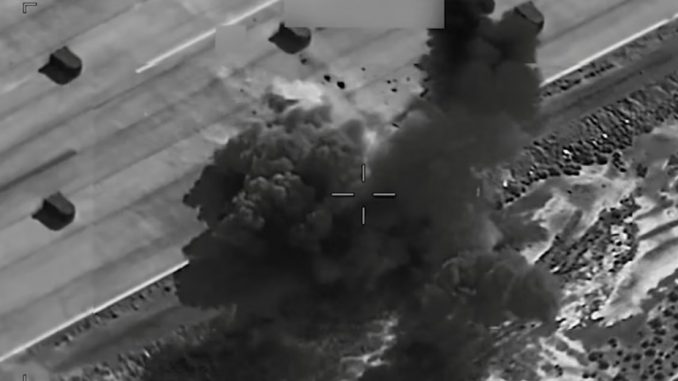
An explosion in Iran as seen in a screengrab released by US Central Command. Photograph: US Central Command
Published July 10, 2026
The Middle East has entered another dangerous phase of conflict after Iran launched retaliatory missile and drone attacks targeting U.S. military facilities in several Gulf countries, including Kuwait, Bahrain, Qatar, and Jordan, following a new wave of American airstrikes on Iranian military targets.
The exchange marks one of the most significant escalations since a fragile ceasefire between the United States and Iran collapsed. Iranian state media said the attacks were carried out in response to U.S. strikes on nearly 90 Iranian military installations, including missile and drone facilities. The United States has described its operations as aimed at degrading Iran’s military capabilities and protecting regional security.
Iran’s Retaliatory Operation
According to Iranian officials, ballistic missiles and drones were launched toward U.S. military facilities across the Gulf region.
The reported targets included:
- U.S. military installations in Qatar
- American facilities in Kuwait
- The U.S. Fifth Fleet headquarters in Bahrain
- Military facilities used by U.S. forces in Jordan
Several Gulf countries activated air defense systems, while local authorities issued emergency warnings and advised residents to seek shelter as explosions and air raid sirens were reported in some areas.
U.S. Response
Washington said the earlier strikes targeted Iranian missile infrastructure and military logistics following renewed hostilities and attacks linked to Iran.
U.S. officials stated that they are monitoring the situation closely and coordinating with regional allies to protect American personnel and military assets. Initial reports indicated that many incoming missiles and drones were intercepted, although assessments of damage and casualties were still underway.
Gulf States Caught in the Middle
Although countries such as Qatar, Kuwait, Bahrain, and Jordan are not direct participants in the conflict, they host important U.S. military bases.
Their strategic locations have made them potential targets whenever tensions between Washington and Tehran escalate. Governments across the region have urged restraint while reinforcing air defenses and increasing security around key infrastructure. 5
Why the Strait of Hormuz Matters
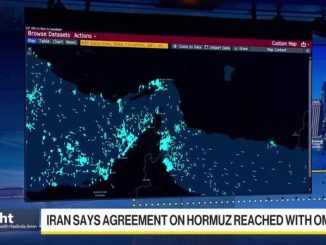
Another major concern is the Strait of Hormuz, one of the world’s most important maritime chokepoints.
Approximately one-fifth of global oil shipments pass through this narrow waterway connecting the Persian Gulf to the Gulf of Oman and the Arabian Sea.
Iran has previously warned that continued military pressure could threaten shipping through the Strait, raising fears of disruptions to global energy supplies and international trade. Even the possibility of instability in the area often causes oil prices to rise and increases concern in global financial markets.
International Calls for De-escalation
Regional governments and international mediators, including Qatar, Oman, and Turkey, have called for immediate efforts to prevent the conflict from expanding into a broader regional war.
Diplomatic efforts remain underway, but analysts warn that continued exchanges between Iran and the United States could further destabilize the Middle East and draw additional countries into the crisis.
Global Implications
The renewed confrontation carries consequences far beyond the Middle East.
Military escalation in the Gulf could affect:
- Global oil prices
- International shipping through the Strait of Hormuz
- Airline routes across the region
- Financial markets
- Regional security partnerships
Economists warn that prolonged instability could disrupt energy supplies and increase inflation worldwide if shipping lanes or energy infrastructure are significantly affected.
👥 Public / Political Reactions:
Markets
Investors reacted cautiously as fighting intensified near one of the world’s most important energy corridors.
- Oil prices rose amid concerns about possible disruptions to shipping through the Strait of Hormuz.
- Financial markets monitored developments closely, fearing prolonged instability could affect global trade and energy supplies.
- Economists warned that an extended conflict could contribute to higher fuel prices and inflation worldwide.
➡️ Position: Markets remain highly sensitive to any escalation that could threaten energy exports from the Gulf.
👥 Public Reaction
Public opinion has been sharply divided across the region and internationally.
- Some viewed Iran’s actions as retaliation against U.S. military operations.
⚠️ Resulting Effects:
Iran’s reported missile and drone strikes against U.S. military facilities in the Gulf have significantly heightened tensions across the Middle East, raising fears of a broader regional conflict. The exchange of attacks has affected regional security, global energy markets, diplomatic efforts, and the military posture of countries with interests in the region.
1. Heightened Risk of Regional Conflict
The latest exchange of military strikes has increased concerns that the conflict could spread beyond Iran and the United States.
🚀 Iran’s retaliatory attacks have placed several Gulf countries on heightened alert.
🛡️ U.S. military forces and regional allies have reinforced air-defense systems and security measures.
🌍 Analysts warn that continued retaliation could draw additional countries into the conflict.
➡️ Result: Military escalation → increased risk of a wider Middle East conflict.
2. Increased Military Readiness Across the Gulf
Countries hosting U.S. military bases have strengthened their security posture.
✈️ Air-defense systems were activated in several Gulf states following reports of incoming missiles and drones.
🚨 Military installations increased force protection measures to safeguard personnel.
⚓ Regional naval forces also heightened security around strategic waterways.
➡️ Result: Missile attacks → stronger military preparedness throughout the Gulf region.
3. Rising Concerns Over Global Energy Supplies
The escalation has renewed fears about the security of global oil shipments.
🛢️ Investors closely monitored developments around the Strait of Hormuz, a vital route for international energy exports.
📈 Oil prices experienced upward pressure amid concerns about possible disruptions to shipping.
🚢 Shipping companies and insurers continued assessing potential risks to maritime operations.
➡️ Result: Regional instability → uncertainty in global energy markets and international trade.
4. Intensified Diplomatic Efforts
The renewed fighting has prompted fresh diplomatic initiatives.
🤝 Regional mediators and international organizations have called for an immediate ceasefire and renewed negotiations.
🌍 Several governments urged both Iran and the United States to exercise restraint and avoid further escalation.
🕊️ Diplomatic channels remain active in an effort to prevent the conflict from expanding.
➡️ Result: Military confrontation → increased international diplomatic engagement.
5. Economic and Market Uncertainty
Financial markets have reacted cautiously to the renewed hostilities.
💹 Investors remain concerned that prolonged conflict could affect energy prices, inflation, and global economic growth.
📉 Businesses dependent on Middle Eastern trade routes continue monitoring developments.
🌐 Economists warn that sustained instability could have worldwide economic consequences.
➡️ Result: Escalating tensions → increased market volatility and economic uncertainty.
6. Continued Humanitarian and Security Concerns
The possibility of a prolonged conflict has raised concerns for civilians across the region.
🏥 Humanitarian organizations continue urging all parties to comply with international humanitarian law.
👥 Governments have advised citizens to remain alert as regional security conditions evolve.
⚠️ Experts warn that continued military exchanges could increase the risk to civilian populations and critical infrastructure.
➡️ Result: Ongoing hostilities → heightened humanitarian concerns and regional security challenges.
🔮 Future Outlook:
The latest exchange of military strikes between Iran and the United States has heightened concerns about the possibility of a broader regional conflict. While diplomatic efforts continue, the situation remains highly fluid, and developments in the coming days and weeks could significantly affect the Middle East’s security, global energy markets, and international diplomacy.
1. Risk of Further Military Escalation
The possibility of additional retaliatory attacks remains a major concern.
🚀 Iran has warned that it will respond to future military actions against its territory.
🛡️ The United States has reaffirmed its commitment to protecting American personnel and military installations across the Middle East.
⚠️ Analysts caution that any new exchange of strikes could further increase regional instability.
➡️ Outlook: Continued retaliation → heightened risk of a broader military conflict.
2. Diplomatic Efforts Will Intensify
Regional and international leaders are expected to continue seeking a diplomatic solution.
🤝 Countries including Qatar, Oman, and other regional mediators may increase efforts to facilitate dialogue.
🌍 The United Nations and major world powers are expected to urge restraint and renewed negotiations.
🕊️ Diplomatic engagement remains the most likely path to preventing a wider war.
➡️ Outlook: Rising tensions → stronger international efforts toward de-escalation.
3. Regional Security Will Remain on High Alert
Countries hosting U.S. military bases are expected to maintain elevated security measures.
✈️ Air-defense systems are likely to remain fully operational in several Gulf states.
🚨 Military forces may continue reinforcing strategic installations and protecting critical infrastructure.
⚓ Naval patrols around the Persian Gulf and the Strait of Hormuz are expected to remain heightened.
➡️ Outlook: Ongoing tensions → sustained military readiness throughout the region.
4. Energy Markets Will Continue Monitoring the Conflict
Global markets are expected to remain sensitive to developments in the Gulf.
🛢️ Any threat to shipping through the Strait of Hormuz could lead to higher oil prices.
📈 Energy traders and financial markets will closely watch military and diplomatic developments.
🌐 Prolonged instability could affect fuel costs, inflation, and global economic growth.
➡️ Outlook: Regional uncertainty → continued volatility in global energy and financial markets.
5. Humanitarian Concerns May Grow
If hostilities continue, humanitarian needs could increase across the region.
🏥 Aid organizations are expected to prepare for potential displacement and civilian assistance.
👥 International agencies will likely continue urging all parties to protect civilians and critical infrastructure.
⚖️ Observers will closely monitor compliance with international humanitarian law.
➡️ Outlook: Prolonged conflict → greater humanitarian challenges and international concern.
6. The Middle East Will Remain Under Global Scrutiny
The conflict is expected to remain one of the world’s most closely watched geopolitical developments.
🌍 Governments, security analysts, and international organizations will continue monitoring the evolving situation.
📺 Media coverage is likely to remain extensive as new military and diplomatic developments emerge.
🗳️ Future decisions by both Iran and the United States could shape regional stability for years to come.
➡️ Outlook: Continued tensions → lasting implications for Middle Eastern security and international relations.
🧩 Bottom Line:
The latest exchange of military strikes between Iran and the United States marks one of the most serious escalations in Middle East tensions in recent years. While both governments maintain that their actions were defensive responses to previous attacks, the continued cycle of retaliation has heightened concerns about the possibility of a broader regional conflict.
The crisis also underscores the strategic importance of the Gulf region, where U.S. military bases, key shipping lanes, and major energy infrastructure play a vital role in global security and the world economy. Any prolonged disruption could affect international trade, energy markets, and diplomatic relations far beyond the Middle East.
➡️ Bottom Line: Although diplomatic efforts to de-escalate the conflict are ongoing, the situation remains highly volatile. The coming days will be critical in determining whether both sides move toward renewed negotiations or whether further military exchanges increase the risk of a wider regional war with global consequences.
SOURCES: REUTERS – Iran says it hits U.S. military targets in Gulf, buries slain leader Khamenei
AL JAZEERA – US, Iran launch more attacks as mediators urge both sides to uphold MoU