Published July 13, 2026
INDIANAPOLIS, Ind. — Indiana Lt. Gov. Micah Beckwith has ignited a national controversy after calling for a ban on mosque loudspeakers broadcasting the Islamic call to prayer, arguing that the practice is incompatible with American traditions and should not be permitted in the United States.
Beckwith’s comments have drawn both praise and condemnation, fueling a broader debate over religious freedom, public noise ordinances, immigration, cultural integration, and the role of Islam in American society.
The controversy intensified after Beckwith defended his position in multiple public statements and social media posts, insisting that his objections were not directed at individual Muslims but at what he described as the public promotion of an ideology he believes conflicts with Western values.
Beckwith Calls for Ban on Public Call to Prayer
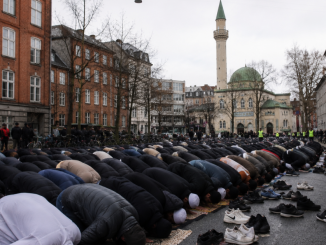
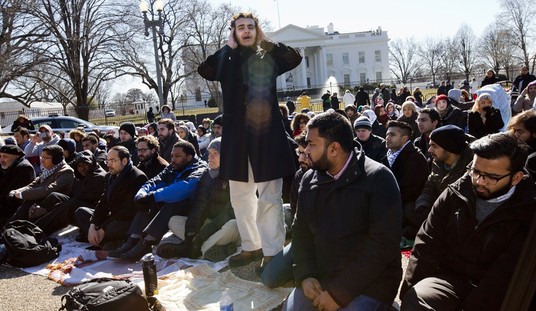
The controversy began after Beckwith criticized the use of loudspeakers by some mosques to broadcast the Islamic adhan, or call to prayer, which traditionally occurs five times each day.
Beckwith argued that while Americans are free to worship according to their faith, publicly amplified religious calls should not disturb surrounding communities or receive special accommodation from local governments.
He maintained that churches generally do not broadcast sermons over loudspeakers several times a day and questioned why municipalities should permit similar practices for mosques.
The lieutenant governor later reaffirmed his position, stating that he would continue advocating for restrictions on publicly amplified calls to prayer.
Remarks on Islam Draw Strong Reaction
The debate widened after Beckwith made additional remarks criticizing Islam as an ideology, arguing that it differs fundamentally from other religions because of its political and legal teachings.
Those comments generated immediate backlash from civil rights advocates, Muslim organizations, and political opponents, who accused Beckwith of unfairly characterizing an entire religion and promoting religious intolerance.
Supporters, however, defended his remarks as criticism of an ideology rather than an attack on individual believers, arguing that public officials should be free to debate religious and political systems that influence public life.
The controversy quickly spread beyond Indiana, becoming part of a larger national discussion surrounding immigration, religious liberty, and cultural assimilation.
Religious Freedom Versus Public Policy
The dispute has renewed debate over where constitutional protections for religious expression intersect with local government authority to regulate noise and public disturbances.
Supporters of Beckwith argue that municipalities already regulate excessive noise from businesses, events, and neighborhoods, and that amplified calls to prayer should be subject to the same standards without exception.
Critics counter that selectively targeting one religious practice raises serious constitutional concerns under the First Amendment’s protections for the free exercise of religion.
Legal experts note that courts have generally evaluated such disputes based on whether regulations are applied equally to all religious and secular organizations rather than singling out one faith.
Immigration and Cultural Integration Debate
The controversy has also become part of the broader national discussion over immigration and cultural integration.
Supporters of Beckwith argue that newcomers to the United States should respect American customs and civic traditions rather than expect communities to adapt to religious practices that many residents are unfamiliar with.
Critics respond that the United States has long protected the public expression of diverse religious traditions and that religious liberty extends equally to minority faiths.
The debate reflects growing political divisions over how communities should balance constitutional protections with concerns about public order, cultural identity, and local governance.
⚠️ Implications:
Indiana Lt. Gov. Micah Beckwith’s call to ban mosque loudspeakers broadcasting the Islamic call to prayer has reignited national debate over religious liberty, public policy, cultural integration, and the limits of government authority. The controversy extends beyond Indiana, raising broader constitutional and political questions.
🏛️ 1. Religious Freedom and the First Amendment Could Face Renewed Legal Scrutiny
- Beckwith’s proposal has sparked debate over how far government can regulate public religious expression.
- Any policy targeting a specific religious practice would likely face constitutional challenges under the First Amendment.
- Courts would likely examine whether restrictions are applied equally to all religious organizations or single out one faith.
⚖️ Implication: The controversy could become another legal test of how religious freedom is balanced with local government regulations on public noise and community standards.
🔊 2. Public Noise Regulations Could Become a National Issue
- Supporters argue that the debate is about amplified sound rather than religion itself.
- Many cities already regulate loudspeakers, public events, church bells, and other amplified sounds through local ordinances.
- The dispute may encourage other municipalities to review how religious broadcasts are regulated.
📢 Implication: Local governments across the country could face increased pressure to clarify or revise policies governing amplified religious activities.
🇺🇸 3. The Debate Reflects Broader Concerns Over Immigration and Cultural Integration
- Beckwith’s remarks have become part of the wider national discussion over assimilation, national identity, and immigration.
- Supporters argue that immigrants should adapt to American customs and civic traditions.
- Critics respond that religious diversity has long been protected under the U.S. Constitution.
🌎 Implication: The issue may further intensify debates over how America balances cultural diversity with expectations of integration into American society.
🗳️ 4. The Issue Could Become a Larger Political Flashpoint
- The controversy has drawn attention from national media and political organizations.
- Religious liberty, immigration, and cultural identity remain highly influential issues among many voters.
- Politicians on both sides may use the debate to energize supporters ahead of future elections.
📈 Implication: Beckwith’s comments could influence broader political conversations on religious expression, public policy, and constitutional rights.
☪️ 5. Relations Between Faith Communities May Be Affected
- The remarks have generated strong reactions from both Muslim organizations and Beckwith’s supporters.
- Religious leaders may face increasing pressure to promote dialogue and reduce tensions between different communities.
- Public disputes over religious practices can affect community relations beyond the political arena.
🤝 Implication: Without constructive dialogue, the controversy could deepen mistrust between faith communities and increase social polarization.
⚠️ 6. Balancing Civil Liberties and Public Order Remains a Continuing Challenge
- Governments must balance constitutional protections for religious expression with legitimate concerns over public disturbances.
- Similar debates have arisen over church bells, public demonstrations, and other forms of amplified speech.
- The controversy illustrates how constitutional rights often intersect with local governance issues.
🧭 Implication: The debate is likely to continue as communities seek to balance individual freedoms with the interests of the broader public.
💬 Overall Takeaway:
Indiana Lt. Gov. Micah Beckwith’s remarks have transformed a local policy debate into a national conversation about religious liberty, public expression, immigration, and cultural identity. While supporters argue that his proposal is about maintaining public order, equal enforcement of noise regulations, and preserving American civic traditions, critics contend that singling out the Islamic call to prayer risks infringing on constitutional protections for religious freedom and unfairly targeting one faith.
The controversy highlights the growing tension between protecting the free exercise of religion and addressing concerns over how religious practices are expressed in public spaces. It also reflects broader national debates over assimilation, community standards, and the role of government in balancing individual rights with the interests of the public.
Whether Beckwith’s proposal gains traction or faces legal challenges, the issue is likely to remain part of the wider political discussion surrounding the First Amendment, religious liberty, immigration, and America’s evolving cultural landscape.