Reported by:

Cherry Meigh Timbol
News Content Editor
Published October 12, 2026
Saudi Arabia is facing a major security challenge as missile attacks attributed to Yemen’s Houthi movement strike the capital, Riyadh, raising questions about the kingdom’s air defenses, the safety of its leadership and the future of its economic transformation plans.
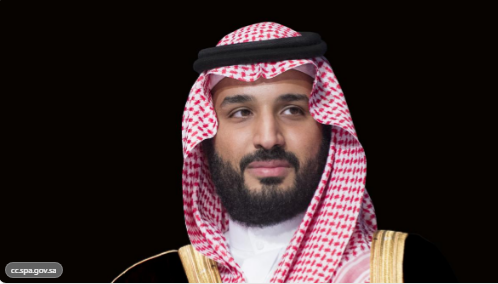
According to a report published by The Wall Street Journal and cited by other news outlets on October 12, Crown Prince Mohammed bin Salman, widely known as MBS, has reportedly been moving between heavily guarded royal palaces equipped with bunkers. The report describes heightened precautions amid the escalating attacks.
The reported security measures come as Riyadh confronts a wave of missile attacks that has disrupted aviation and raised concerns about the vulnerability of critical infrastructure.
However, the claim that the crown prince is “terrified” is a characterization in the original headline, not an independently established fact about his emotional state.
Riyadh Airport Strikes Raise Security Concerns

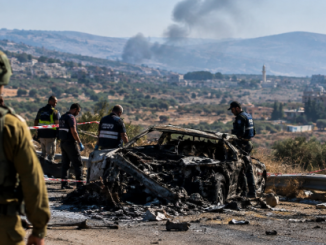
The immediate security crisis intensified following a series of attacks on King Khalid International Airport in Riyadh.
Reuters reported on October 12 that a strike on Saturday killed 13 people and injured more than 300, followed by another attack on Sunday that killed one person and injured nearly a dozen others. Airport operations were suspended, while airlines and aviation authorities responded to the worsening security situation.
The attacks demonstrate the potential consequences of renewed hostilities between Saudi Arabia and the Houthis, the Iran-aligned armed movement that controls significant territory in Yemen.
For Saudi authorities, the challenge extends beyond protecting individual sites. The kingdom has a vast territory containing major cities, energy infrastructure, industrial facilities and strategic transport routes, making comprehensive air defense a difficult undertaking.
The Wall Street Journal, as summarized by the Times of Israel, also reported concerns that Saudi Arabia was running low on interceptor missiles and moving air-defense batteries to protect critical infrastructure and royal residences.
Why MBS Is Reportedly Changing Residences
The reported movements between fortified palaces reflect the security precautions being taken around Saudi Arabia’s most powerful political figure.
MBS, who serves as crown prince and prime minister, has played a central role in shaping the kingdom’s domestic reforms, foreign policy and economic diversification strategy.
According to reporting attributed to people familiar with the royal family’s security arrangements, the crown prince has been accompanied by a selected security detail while moving between protected residences. Saudi authorities have not publicly confirmed every detail of the reported movements.
Moving a senior leader between secure locations can be a standard protective measure during a heightened threat environment. It does not, by itself, establish that an individual is panicking or that the government has lost control of the situation.
Nevertheless, the reports highlight the pressure placed on Saudi leadership as attacks reach areas previously regarded as relatively secure.
The Houthis’ Growing Strategic Challenge

The Houthi movement has repeatedly demonstrated its ability to threaten Saudi territory with missiles and drones. The latest escalation comes amid renewed fighting in Yemen and wider tensions involving Iran and other regional powers.
Saudi Arabia intervened militarily in Yemen in 2015 to support the internationally recognized government against the Houthis. Years of fighting caused extensive civilian suffering and contributed to one of the world’s most severe humanitarian crises.
A period of relative calm followed the 2022 truce, but renewed military operations and retaliatory attacks have again placed Saudi Arabia and Yemen at risk of a wider confrontation. The Associated Press has reported that the latest escalation is also tied to competition over strategically important territory near the Bab el-Mandeb Strait, a critical passage connecting the Red Sea with the Gulf of Aden.
The Houthis’ ability to threaten major Saudi installations creates a strategic problem: even when defenses intercept incoming weapons, repeated attacks can disrupt transportation, increase security costs and undermine confidence in the kingdom’s ability to protect its infrastructure.
Reactions From Regional Powers
The latest attacks have drawn condemnation from regional governments.
According to Reuters, Saudi Arabia, Turkey, Pakistan and Egypt condemned the strikes on Riyadh’s airport and called for the attacks to stop. The countries expressed support for Saudi Arabia’s efforts to defend itself against further attacks.
The United States has also emerged as a central factor in the crisis. Recent reporting indicates that President Donald Trump has raised the possibility of American involvement in a counterattack, although the precise scope of any potential intervention remains uncertain.
A broader military response could increase pressure on the Houthis, but it could also expand the conflict and expose additional infrastructure and shipping routes to retaliation.
Economic Consequences: Pressure on Saudi Arabia’s Vision 2030

The security crisis carries significant economic implications for MBS, whose Vision 2030 program seeks to reduce Saudi Arabia’s dependence on oil revenue and develop tourism, technology, entertainment and other industries.
Repeated attacks could affect these ambitions in several ways:
-
Aviation and tourism: Airport closures and international flight suspensions can disrupt travel, discourage visitors and complicate the kingdom’s efforts to establish itself as a major international destination.
-
Foreign investment: Persistent security concerns could cause businesses and investors to reassess the risks of operating in Saudi Arabia.
-
Energy security: Threats to oil facilities, export infrastructure and maritime routes could disrupt production or transportation and contribute to volatility in global energy markets.
-
Government spending: A prolonged conflict could require additional spending on missile defenses, military operations and the protection of critical infrastructure.
Reuters reported that the attacks had already caused extensive flight cancellations and raised uncertainty around major events scheduled in Riyadh.
The long-term impact will depend on whether the attacks continue, how effectively Saudi Arabia adapts its defenses and whether diplomatic efforts can prevent another prolonged regional conflict.