Nearly 20% of the world’s oil passes through the Strait of Hormuz.Anadolu via Getty Images
Reported by:

Cherry Meigh Timbol
News Content Editor
Published August 23, 2026
STRAIT OF HORMUZ — Nearly 40 oil tankers successfully transited the Strait of Hormuz on Friday night through a U.S.-protected southern shipping corridor, marking one of the busiest nights of maritime traffic since the conflict between the United States and Iran severely disrupted the world’s most important energy chokepoint.
According to U.S. officials cited by Axios, approximately 16 million barrels of crude oil exited the Persian Gulf during the overnight operation as American naval forces quietly escorted both loaded and empty tankers through the narrow waterway near Oman’s coastline.

Nearly 200 ships passed through Hormuz over the past week, up 400% from just two weeks ago.Getty Images
Stealth corridor restores oil flow
The dramatic increase in tanker movements follows weeks of covert U.S. military operations designed to keep Gulf oil exports moving despite Iranian threats against commercial shipping. Officials say the protected corridor allows vessels to enter the Gulf, load crude from regional producers, and safely exit under naval protection.
While Friday’s traffic represented a significant improvement, overall shipping volumes remain well below pre-war levels after months of attacks, mines, and heightened insurance risks discouraged many operators from entering the strait.

A map shows US operations to clear the strait of Iranian mines.Falon Wriede / NY Post Design
The real crisis isn’t crude—it’s diesel
Despite improving crude exports, energy analysts warn that the global market’s greatest vulnerability has shifted to diesel, the refined fuel that powers trucks, construction equipment, freight rail, ships, and much of the industrial economy.
Unlike crude oil, diesel inventories cannot be replenished quickly. Refining disruptions across the Middle East, combined with damaged refining capacity elsewhere, have tightened supplies and pushed refining margins sharply higher. Analysts say diesel shortages could have a greater impact on inflation and supply chains than rising crude prices alone.
Diesel serves as the backbone of commercial transportation, meaning sustained shortages could raise the cost of food distribution, manufacturing, agriculture, and consumer goods worldwide.

In all, 103 ships entered the strait and 89 exited it over the past seven days.
Hormuz remains the world’s most strategic chokepoint
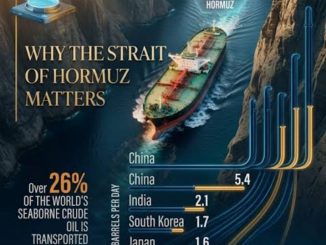
Before the conflict erupted, the Strait of Hormuz carried roughly one-fifth of global oil and liquefied natural gas shipments. Traffic collapsed after tanker attacks and Iranian maritime threats, with some weekends seeing only a handful of commodity vessels successfully crossing the waterway.
The recent surge suggests U.S. naval operations are partially restoring confidence, but maritime security experts caution that the corridor remains vulnerable to renewed missile, drone, or naval attacks.
🧩 Bottom Line:
The image of 40 tankers sailing through Hormuz suggests the oil crisis may be easing—but appearances can be deceiving. Crude can move, yet without enough diesel to power trucks, ships, factories, and farms, the world’s economic engine could still sputter. The next energy shock may arrive not at the oil well, but at the refinery.
SOURCES: ZEROHEDGE – Iran Is Losing Its Grip On Hormuz”: Strait Traffic Explodes Nearly 400%
THE NEW YORK POST – Traffic in Strait of Hormuz skyrockets nearly 400%, as analysts say Iran’s grip on critical waterway weakens
AXIOS – U.S. conducting stealth operation to transport oil through Hormuz