
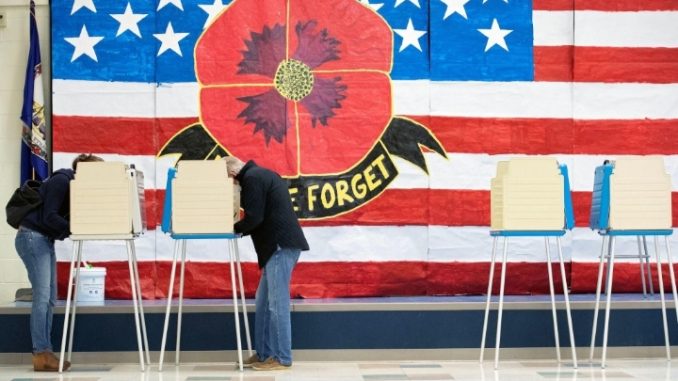
Candidates are making their final appeals as voters weigh the economy, immigration, and the Trump administration’s record.

by Diana Zapata •
News Writer /Editorial Specialist
Published October 26, 2026
Based on the Associated Press article examining the political challenges facing Republicans ahead of the 2026 midterm elections, the upcoming vote reflects more than a contest for congressional seats. It highlights the growing importance of economic concerns, public confidence, and voter expectations in determining the country’s political direction.
With President Donald Trump playing a central role in the Republican campaign, the election also raises questions about how voters assess the administration’s performance and whether its policies align with their expectations. Issues such as inflation, tariffs, immigration, and foreign policy have become part of the broader political debate.
For both Republicans and Democrats, the election presents an opportunity to demonstrate public support for their respective political priorities. However, voters are not simply choosing between two parties; they are also evaluating leadership, government accountability, and the practical consequences of national policies.
Commentary
The 2026 United States midterm elections represent an important moment for American voters, as the country prepares to determine the political balance of Congress for the remaining two years of President Donald Trump’s term.
Although midterm elections do not determine who occupies the White House, they carry significant consequences for the administration’s legislative agenda, congressional oversight, and the direction of national policy.
This year’s campaign has placed considerable attention on economic conditions, immigration, healthcare, and the administration’s handling of foreign policy. Among these concerns, affordability has remained a prominent issue, with voters weighing the costs of housing, food, healthcare, and gasoline against political promises and economic policy decisions.
For Republicans, the election presents an opportunity to maintain congressional control and continue advancing the administration’s priorities. For Democrats, gaining seats could provide greater authority to challenge government policies, conduct investigations, and influence legislative decisions.
However, the election should not be viewed solely as a contest between two political parties. It also provides an opportunity to examine how voters assess leadership, government performance, and the effectiveness of policies that directly affect their daily lives.
One important consideration is the distinction between campaign promises and measurable results. Economic figures, employment statistics, government spending, and household expenses provide different perspectives on the country’s condition. Voters must consider these factors alongside the explanations and proposals presented by candidates.
The role of Congress is equally important. Regardless of which party gains control, lawmakers remain responsible for legislation, federal spending, oversight, and representing their constituents. A change in congressional leadership may alter the direction of policy, but it does not remove the need for cooperation, transparency, and accountability.
The election also highlights the importance of informed participation. Political advertising, campaign messaging, polling figures, and public statements can influence perceptions, but voters ultimately have the responsibility to evaluate information and make decisions based on their own assessment of the issues.
As Americans prepare to cast their ballots on November 3, the central question extends beyond which party will secure a majority. It is also about what voters expect from their representatives and how they want their government to address the country’s most pressing challenges.
Ultimately, the outcome will provide an indication of public sentiment toward the current political direction of the United States. Whatever the result, the responsibility of elected officials remains the same: to govern effectively, respect democratic institutions, and remain accountable to the people they represent.




