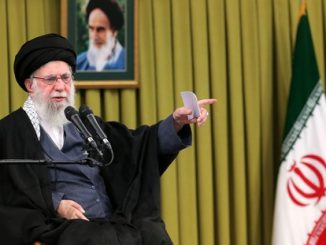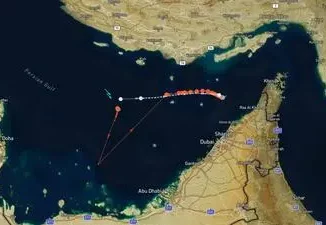
Houthi military spokesman Yahya Saree says that the Iran-backed group had targeted two Saudi oil tankers in the Red Sea with missiles and drones, claiming the vessels had violated a ban imposed by the group. Photo: AFP
Published July 25 , 2026
RIYADH, Saudi Arabia — July 25, 2026 — Yemen’s Iran-backed Houthi movement claimed responsibility for a missile attack targeting the southern Saudi Arabian city of Jizan, marking a significant escalation in regional tensions as fighting linked to the broader Middle East conflict continues. Saudi authorities said they activated air defenses and issued alerts in affected areas, while the Houthis described the strike as retaliation for recent Saudi-led military operations in Yemen.
Houthis Claim Missile Strike on Jizan
According to Houthi-affiliated media, the group launched a missile toward the Saudi city of Jizan near the Yemen border.
The Houthis said the attack was carried out in response to recent Saudi military operations targeting Houthi-controlled areas in Yemen.
Saudi officials have not immediately released detailed information on damage or casualties but confirmed heightened security measures in southern regions.
Retaliation Follows Saudi-Led Operations
The claimed strike came days after Saudi-led coalition forces conducted operations against Houthi military sites.
According to coalition statements, the strikes targeted military infrastructure used by the Houthis in western Yemen, including facilities believed to support missile and drone operations.
The Houthis accused Saudi Arabia of escalating the conflict and warned that further military action would be met with additional retaliation.
Regional Conflict Continues to Expand
The latest exchange highlights growing concerns that the conflict is extending beyond Yemen.
Analysts say attacks involving Saudi Arabia, the Houthis, Iran, and other regional actors have become increasingly interconnected amid broader tensions across the Middle East.
The Houthis have previously launched missiles and drones toward Saudi Arabia, Israel, and commercial shipping routes, describing the operations as part of their regional military campaign.
Saudi Arabia Strengthens Defensive Measures
Saudi Arabia continues maintaining high alert along its southern border.
Authorities activated air defense systems and issued public warnings in response to the reported missile threat.
The kingdom has continued emphasizing the protection of critical infrastructure, energy facilities, and civilian population centers against missile and drone attacks.
Concerns Over Regional Stability Grow
The reported attack comes as multiple conflicts continue unfolding across the Middle East.
International observers warn that continued exchanges between the Houthis and Saudi Arabia could complicate ongoing diplomatic efforts and increase the risk of a wider regional confrontation.
Governments continue urging restraint while monitoring whether the latest escalation could affect maritime security, energy markets, and regional stability.
Situation Remains Fluid
Officials continue assessing the full impact of the reported attack.
Independent verification of all claims remains limited, and authorities continue monitoring for any additional missile or drone launches.
The latest developments underscore the fragile security environment across the region as diplomatic efforts continue alongside ongoing military operations.
👥 Public / Political Reactions:
🇸🇦 Saudi Arabia
Saudi Arabia condemned the Houthi missile attack and said it remains committed to protecting its territory and critical infrastructure.
- Saudi authorities activated air defense systems and heightened security in southern regions following the reported missile launch.
- Officials said recent military operations in Yemen targeted Houthi military sites used to threaten commercial shipping and regional security.
- Riyadh has not confirmed the full extent of damage from the claimed missile attack but pledged to respond to any threats against the kingdom.
➡️ Position: Saudi Arabia says its military actions are defensive and aimed at safeguarding national security and regional stability.
🇾🇪 Houthi Movement
The Iran-backed Houthis described the missile launch as retaliation for recent Saudi-led airstrikes in Yemen.
- Houthi officials accused Saudi Arabia of escalating the conflict through attacks on Hodeidah and other areas.
- The group warned that additional military operations could follow if Saudi strikes continue.
- Houthi statements portray their actions as part of a broader response to what they describe as aggression against Yemen.
➡️ Position: The Houthis say the missile attack was a retaliatory response and warn of further action if military operations continue.
🇮🇷 Iran
Iran has not claimed involvement in the reported missile attack but continues expressing political support for the Houthis.
- Tehran has consistently criticized military operations against Yemen.
- Iranian officials continue calling for diplomatic solutions while rejecting allegations that they direct Houthi military operations.
- Western governments continue alleging that Iran provides support to the Houthis, an assertion Tehran disputes.
➡️ Position: Iran continues advocating diplomacy while denying direct responsibility for Houthi military actions.
🌍 International Community
Governments and international organizations expressed concern over the renewed escalation.
- Observers warned that continued exchanges between Saudi Arabia and the Houthis could further destabilize the region.
- International partners continue urging restraint and renewed diplomatic engagement.
- Analysts caution that attacks affecting Red Sea shipping and Gulf security could have wider economic and geopolitical consequences.
➡️ Position: The international community is urging restraint and a return to diplomacy to prevent a broader regional conflict.
👥 Public Response
Public reaction reflects growing concern over the expanding regional conflict.
- Residents in southern Saudi Arabia expressed concern following missile alerts and heightened security measures.
- Civilians in Yemen continue reporting fears over renewed airstrikes and the humanitarian impact of continued fighting.
- International observers remain concerned about the effects of the conflict on regional stability and maritime security.
➡️ Position: Public concern continues to grow as civilians on both sides face the risks associated with renewed hostilities.
🏛️ Broader Political Impact
The latest exchange has renewed attention on the fragile security situation in the Middle East.
- The incident is expected to increase scrutiny of regional security and maritime trade routes.
- It may complicate ongoing diplomatic efforts involving Saudi Arabia, Yemen, Iran, and other regional stakeholders.
- Analysts continue monitoring whether the latest escalation signals a broader expansion of the conflict or remains a limited exchange.
➡️ Position: The reported missile attack has heightened concerns that regional tensions could intensify unless diplomatic efforts succeed.
⚠️ Resulting Effects:
The reported Houthi missile attack on southern Saudi Arabia has heightened regional security concerns and underscored the fragile nature of the conflict in Yemen. While Saudi Arabia says its military operations are intended to counter security threats, the latest exchange has increased fears of further escalation involving regional actors.
1. Regional Security Tensions Increase
The latest exchange has intensified concerns about stability across the Middle East.
🚀 Missile and airstrike exchanges have raised fears of further cross-border attacks.
🌍 Neighboring countries continue monitoring developments for potential security implications.
⚠️ Analysts warn that additional retaliation could trigger a broader regional escalation.
➡️ Result: Continued military exchanges → increased regional security risks.
2. Civilian Safety Remains a Concern
Communities on both sides of the conflict remain vulnerable.
🚨 Residents in southern Saudi Arabia experienced heightened security measures and missile alerts.
🏥 Civilians in Yemen continue facing humanitarian challenges amid ongoing military operations.
🚑 Emergency services remain prepared to respond to any additional attacks.
➡️ Result: Ongoing hostilities → heightened risks to civilian populations.
3. Pressure on Diplomatic Efforts Grows
The latest developments may complicate attempts to reduce tensions.
🤝 Regional and international mediators continue encouraging restraint.
⚖️ Renewed military activity could make confidence-building measures more difficult.
📢 Governments continue urging dialogue to prevent further escalation.
➡️ Result: Continued exchanges → greater challenges for diplomatic engagement.
4. Maritime and Energy Security Remain Under Scrutiny
The conflict continues affecting strategic trade routes.
🚢 Shipping activity in and around the Red Sea remains under close observation.
🛢️ Energy markets may remain sensitive to any disruption affecting regional infrastructure or maritime traffic.
🌐 Governments continue coordinating efforts to protect commercial navigation.
➡️ Result: Regional instability → continued concerns over maritime and energy security.
5. Military Readiness Increases
Both sides are expected to remain on alert.
🛡️ Saudi Arabia continues strengthening air defense and border security.
🚀 The Houthis have indicated they could launch additional attacks if hostilities continue.
📡 Regional militaries remain closely monitoring developments.
➡️ Result: Heightened alert levels → increased military preparedness across the region.
6. International Attention Intensifies
The latest exchange has renewed global concern over the Yemen conflict.
🌍 International organizations continue calling for restraint and civilian protection.
📖 Foreign governments are closely monitoring developments and assessing their regional implications.
🤝 Diplomatic efforts remain focused on preventing a wider conflict.
➡️ Result: Renewed escalation → increased international diplomatic engagement.
7. Risk of Wider Regional Escalation Persists
The incident highlights the interconnected nature of conflicts across the Middle East.
🇮🇷 Regional tensions involving Iran and its allied groups continue influencing the security environment.
⚠️ Additional attacks or retaliatory operations could draw more regional actors into the conflict.
🕊️ Analysts say preventing further escalation will depend on both military restraint and sustained diplomatic efforts.
➡️ Result: Continued exchanges → persistent risk of a broader Middle East conflict.
🔮 Future Outlook:
The situation between Saudi Arabia and the Iran-backed Houthi movement remains volatile following the reported missile attack on southern Saudi Arabia. While both sides have signaled their willingness to continue military operations if necessary, regional and international actors are expected to intensify diplomatic efforts to prevent a broader escalation.
1. Saudi Arabia Is Expected to Maintain Defensive Operations
Saudi Arabia is likely to continue strengthening its air defenses and border security.
🛡️ The kingdom is expected to maintain a heightened military alert along its southern border.
🚀 Air defense systems will likely remain prepared to intercept additional missile or drone attacks.
⚔️ Saudi-led forces may continue operations targeting Houthi military infrastructure if security threats persist.
➡️ Outlook: Continued defensive measures → sustained military readiness against cross-border attacks.
2. The Houthis May Continue Retaliatory Attacks
The Houthis have indicated they are prepared to respond to future military operations.
🚀 The group could launch additional missile or drone attacks if Saudi-led strikes continue.
⚠️ Houthi leaders have warned that military operations will persist unless they view hostilities as having eased.
📡 Regional security agencies are expected to closely monitor Houthi military activity.
➡️ Outlook: Continued retaliation → ongoing risk of cross-border attacks.
3. Diplomatic Efforts Are Expected to Intensify
Regional and international partners are likely to push for de-escalation.
🤝 Governments are expected to encourage dialogue aimed at preventing further violence.
🌍 International organizations will likely continue urging restraint from all parties.
📖 Diplomatic engagement may focus on reducing tensions while preserving regional stability.
➡️ Outlook: Increased diplomacy → continued efforts to prevent a wider conflict.
4. Maritime Security Will Remain a Priority
The Red Sea is expected to remain under close international observation.
🚢 Governments and naval forces will likely continue protecting commercial shipping routes.
⚓ Shipping companies may maintain heightened security measures while operating in the region.
🌐 Any additional attacks on maritime traffic could prompt further international responses.
➡️ Outlook: Continued security operations → sustained focus on protecting regional trade routes.
5. Humanitarian Conditions in Yemen May Remain Difficult
The conflict is expected to continue affecting civilians in Yemen.
🏥 Humanitarian organizations will likely continue calling for greater civilian protection and expanded aid access.
🚑 Relief agencies may face operational challenges if fighting intensifies.
🏚️ Recovery and reconstruction efforts will remain dependent on improvements in the security situation.
➡️ Outlook: Continued conflict → ongoing humanitarian challenges.
6. Regional Tensions Will Continue to Be Closely Watched
The conflict remains linked to broader security dynamics in the Middle East.
🇮🇷 Iran and other regional actors are expected to remain central to diplomatic and security discussions.
⚠️ Any significant escalation could affect neighboring countries and regional stability.
🕊️ Governments will continue monitoring developments for signs of either escalation or de-escalation.
➡️ Outlook: Regional tensions → continued uncertainty across the Middle East.
7. Long-Term Stability Depends on Diplomatic Progress
A lasting reduction in hostilities will likely require sustained political engagement.
🏛️ Long-term stability will depend on successful diplomatic efforts and security arrangements.
🤝 Confidence-building measures could help reduce the likelihood of future cross-border attacks.
🌍 International involvement is expected to remain important in supporting negotiations and regional security.
➡️ Outlook: Lasting peace → dependent on continued diplomacy, restraint, and political dialogue.
🧩 Bottom Line:
The reported Houthi missile attack on southern Saudi Arabia marks another escalation in the long-running conflict between the Iran-backed group and the Saudi-led coalition. Coming after Saudi airstrikes in Yemen, the exchange highlights how quickly regional tensions can intensify despite ongoing diplomatic efforts.
🚀 The Houthis say the missile strike was retaliation for recent Saudi-led military operations in Yemen.
🛡️ Saudi Arabia maintains that its operations are defensive, aimed at countering threats from Houthi missile and drone capabilities and protecting its territory.
🌍 Regional and international observers continue urging restraint, warning that further military exchanges could threaten regional stability, maritime security in the Red Sea, and broader diplomatic efforts.
📖 Independent verification of all battlefield claims remains limited, and officials continue assessing the full impact of the reported attacks.
➡️ Bottom Line: The latest exchange underscores the fragile security environment in the Middle East, where retaliatory strikes, regional rivalries, and ongoing diplomatic efforts continue to shape an increasingly volatile conflict.
SOURCES: BLOOMBERG – Houthi Claim Missile Strikes on Southern Saudi Arabia
THE TIMES OF ISRAEL – Houthis claim missile attack on southern Saudi Arabia
THE DEFENSE POST – Houthis Claim Strike on Saudi Arabia as Conflict Deepens