Reported by:

Cherry Meigh Timbol
News Content Editor
Published November 9, 2026
Russian Attacks Damage Critical Infrastructure Across Ukraine
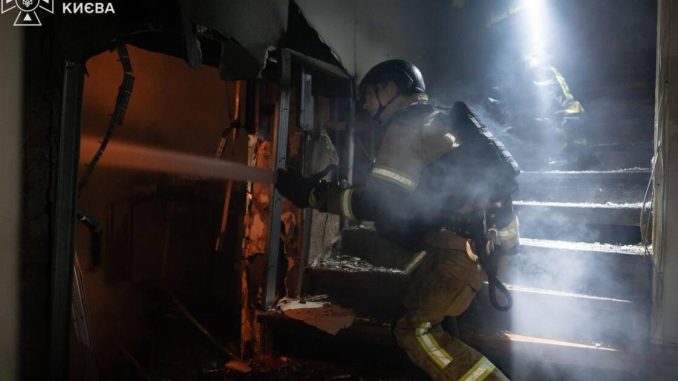
Russia launched a large-scale missile and drone assault against Kyiv and several other Ukrainian regions overnight on November 6–7, 2026, damaging transportation networks, energy facilities and residential buildings.
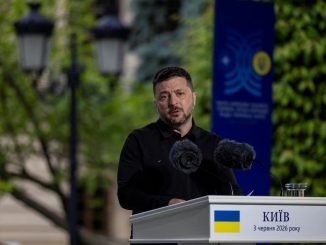
Ukrainian President Volodymyr Zelenskyy said Russian forces deployed 36 ballistic missiles and 172 attack drones during the operation. Ukrainian air defenses intercepted 149 drones and four missiles, according to figures released by the Ukrainian government.
One of the principal targets was Kyiv’s Northern Bridge, a major transportation route crossing the Dnipro River and connecting the Ukrainian capital with residential districts on its eastern bank.
Kyiv Mayor Vitali Klitschko confirmed that the bridge sustained damage to its roadway, trolleybus electrical lines and power infrastructure. Several trucks parked nearby were also reportedly damaged.
The bridge was temporarily closed to traffic in both directions while repair operations began.
Russia’s Ministry of Defense acknowledged striking the bridge, claiming it was being used by Ukrainian forces to transport weapons, military equipment and other supplies. Moscow also reported targeting industrial and military-related facilities in the wider Kyiv region.
Substations Connecting Nuclear Power Plants Also Damaged
The attacks extended beyond transportation infrastructure, raising concerns about the stability of Ukraine’s electricity network.
According to Ukrainian authorities, Russian strikes damaged electrical substations responsible for transmitting electricity from the Rivne and Khmelnytskyi nuclear power plants to Kyiv and central Ukraine.
Additional energy infrastructure was reportedly damaged in the Vinnytsia, Zhytomyr, Rivne, Kharkiv and Dnipropetrovsk regions.
The damage contributed to electricity disruptions and affected essential services, including heating and water supplies in parts of the capital.
Zelenskyy accused Moscow of deliberately targeting Ukraine’s energy infrastructure in an effort to undermine the country’s electricity supply as winter approaches.
Russia, however, has maintained that its military operations target facilities supporting Ukraine’s military capabilities.
The attacks also damaged residential buildings and other civilian structures. Ukrainian officials reported injuries in Kyiv and surrounding areas, while emergency responders continued assessing the extent of the destruction.
Ukraine Faces Growing Energy Challenges
The latest strikes come as Ukraine continues efforts to maintain electricity supplies amid repeated attacks on its energy infrastructure.
The country’s power network has faced significant pressure throughout the war, with Russian attacks targeting power stations, substations and transmission facilities.
Separately, Ukraine’s Zaporizhzhia Nuclear Power Plant, Europe’s largest nuclear facility, experienced another interruption to its external electricity supply.
Ukraine’s nuclear energy operator, Energoatom, announced on November 8 that external power had been restored to the facility through the Ukrainian electricity system.
The company nevertheless warned that the nuclear plant remained in a dangerous situation because of continuing security threats and the possibility of further disruptions to external power supplies.
The Zaporizhzhia facility has been under Russian occupation since March 2022. Its nuclear safety has remained a major international concern because of repeated interruptions to its external electricity connections.
Abu Dhabi Peace Talks Approach Amid Escalating Attacks
The latest Russian offensive comes just days before a new round of negotiations involving Ukraine, Russia and the United States scheduled for November 10–11 in Abu Dhabi, United Arab Emirates.
The talks are part of Washington’s efforts to advance a negotiated settlement to the nearly five-year conflict.
Russia’s delegation is expected to be led by presidential aide Vladimir Medinsky, while Ukraine’s delegation will be headed by Rustem Umerov.
The negotiations are expected to address security guarantees, territorial disputes and other major obstacles to ending the war.
However, substantial disagreements remain between Moscow and Kyiv.
Russia continues to demand territorial and security concessions, while Ukraine has rejected proposals that would require it to surrender territory or accept restrictions undermining its sovereignty.
The continued attacks on Ukrainian infrastructure have further complicated the diplomatic environment ahead of the meeting.
The latest developments also underscore the challenges facing international efforts to secure a ceasefire while military operations continue on the ground.