Image: Corrupt media dismisses the Biden tapes and Fauci diaries: Where’s the outrage?
Related: On the nature of real and perceived bias in the mainstream media
Media Bias and Its Risks to Humanity, Economics, and Development
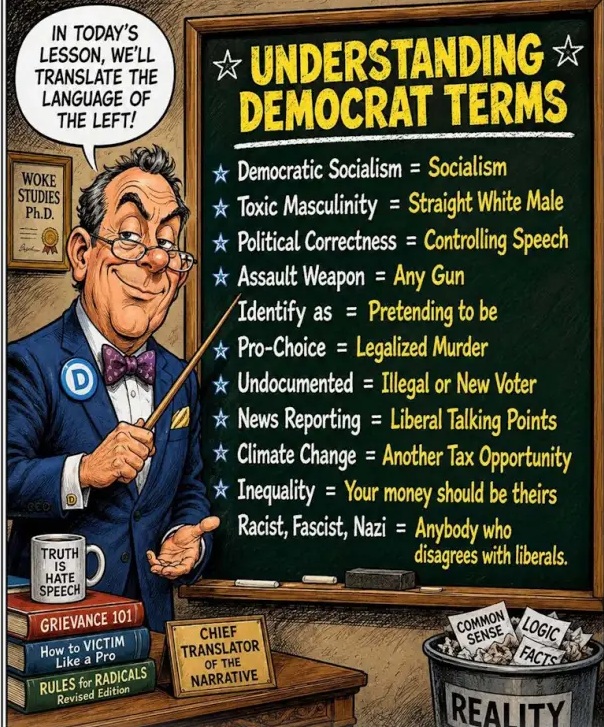
Media bias refers to the perceived or actual partiality in news reporting, editorial choices, and coverage that favor certain viewpoints, political agendas, or interests. While all media outlets have inherent perspectives, excessive bias can distort the truth, mislead the public, and undermine trust in information sources.
Risks to Humanity
Erosion of Trust and Social Cohesion: Biased media can polarize societies by promoting misinformation, amplifying divisions, and marginalizing alternative viewpoints. This erosion of trust hampers social cohesion and democratic processes.
Spread of Misinformation: Bias often leads to the dissemination of false or misleading information, which can cause panic, foster prejudice, or lead to harmful behaviors, especially during crises such as pandemics or conflicts.
Manipulation and Propaganda: Biased outlets may serve political or corporate interests, manipulating public opinion and influencing policy decisions in ways that may not align with the public’s best interests.
Risks to Economics
Market Instability: Misinformation can create volatility in financial markets by influencing investor sentiment based on skewed or false narratives. Distorted Economic Policies: Public perception shaped by biased media can pressure policymakers to adopt populist or reactionary measures, potentially undermining long-term economic stability.
Impact on Consumer Behavior: False or biased information about products, companies, or economic conditions can distort consumer choices and market competitiveness.
Risks to Development
Hindrance to Informed Decision-Making: Bias impairs individuals’ ability to make well-informed decisions about health, education, and civic responsibilities, impeding personal and community development.
Undermining Accountability: When media outlets serve vested interests, they may neglect investigative journalism that holds power to account, allowing corruption and inequality to flourish.
Impediment to Progress: Biased narratives can stall social progress by reinforcing stereotypes, misinformation about scientific or social issues, and resisting necessary reforms.
Conclusion
Media bias poses significant risks across multiple facets of society. To foster a healthy, informed, and resilient global community, it is crucial to promote media literacy, support diverse and independent journalism, and encourage critical consumption of information. Only through these efforts can we mitigate the dangers of bias and build a more equitable and truthful media environment.
R. J. L.
Video: Fox News
Fox News host Laura Ingraham criticizes the mainstream media and Democrats over what she says is biased coverage of President Donald Trump and selective reporting on Dr. Anthony Fauci’s diaries on ‘The Ingraham Angle.’
Dear Canadian media: Conservatives don’t have a “patriotism problem”
Video: The Ben Mulroney Show
An editorial cartoon in the Toronto Star, an editorial column from the National Post, and what looks to some like a trail of biased media coverage has us asking: does Canada’s media fairly cover Pierre Poilievre? And is it fair to question the “patriotism” of Canadian Conservatives in light of the past ten years of Liberal governance?
Most journalists working for leftist publications in Australia are paid by the Government
Censorship in a society where the media is both corrupt and biased can have profound negative impacts on the economy, development, and humanity.
How Censorship Undermines the Economy, Development, and Humanity in a Society with Corrupt and Biased Media
1. Erosion of Trust and Transparency
Censorship suppresses critical information and dissenting voices, leading to a lack of transparency. When the public cannot access truthful information, trust in institutions diminishes, creating an environment of suspicion and uncertainty. This erosion of trust hampers economic transactions, discourages investment, and stifles innovation, as stakeholders lack reliable data to make informed decisions.
2. Suppression of Innovation and Progress
Development relies heavily on open discourse, research, and the free exchange of ideas. Censorship prevents the dissemination of new perspectives and scientific discoveries, slowing technological advancement and social progress. In societies with corrupt and biased media, censorship further entrenches misinformation and stereotypes, hindering efforts to address social issues and achieve sustainable development.
3. Undermining Human Rights and Freedoms
Censorship restricts freedom of expression, a fundamental human right. When media outlets are biased and corrupt, censorship becomes a tool to silence opposition, dissent, and marginalized voices. This suppression leads to human rights abuses, social injustice, and increased polarization, undermining social cohesion and the moral fabric of society.
4. Economic Consequences
In a censored environment, market information becomes manipulated or hidden, leading to poor economic decision-making. Investors lack accurate data, inflation and corruption go unchecked, and black markets thrive. Over time, these conditions deter foreign investment, reduce economic growth, and widen inequality.
5. Deepening Societal Divisions and Instability
Censorship often reinforces biased narratives, creating echo chambers and deepening societal divisions. This polarization can lead to unrest, violence, and political instability, which further discourages development efforts and economic stability.
6. Impeding Accountability and Good Governance
Corrupt and biased media, when censored, cannot hold power to account. This lack of oversight fosters corruption, mismanagement, and abuse of authority, which undermine governance, hinder social services, and reduce the overall quality of life.
In summary, censorship in a society plagued by corrupt and biased media stifles free flow of information, suppresses accountability, and fosters inequality. It severely hampers economic growth, social development, and human rights, ultimately undermining the very foundations necessary for a thriving, just, and progressive society.
R. J. L.
2025 Unpacking media bias in the growing divide between cable and network news
2024 Former 60 Minutes correspondent Cecilia Vega breaks silence on firing: ‘There is a lot at stake’
2023 Study of headlines shows media bias is growing