A distribution shock, not a depletion story but the first cracks are already visible.
Published April 5, 2026
For years, Americans have been told we’re “running out of oil,” that supplies are dwindling and higher costs are inevitable. The reality is far different: the problem is not a shortage of oil beneath the ground, but a shortage of access to that oil — and recent events in the Middle East make this distinction painfully clear.
America’s Oil Engine Still Running Strong
The United States remains the world’s top oil producer. In 2025, U.S. crude production averaged 13.6 million barrels per day, setting record highs across regions like the Permian Basin. Domestic reserves are substantial, with tens of billions of barrels still untapped.
Yet production alone does not guarantee energy security. Access — the ability to move oil safely and efficiently — is just as important, and this is where the recent conflict with Iran has put the global oil system under stress.
The Strait of Hormuz: A Chokepoint Under Threat
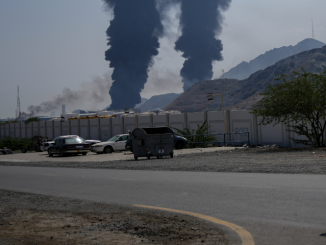
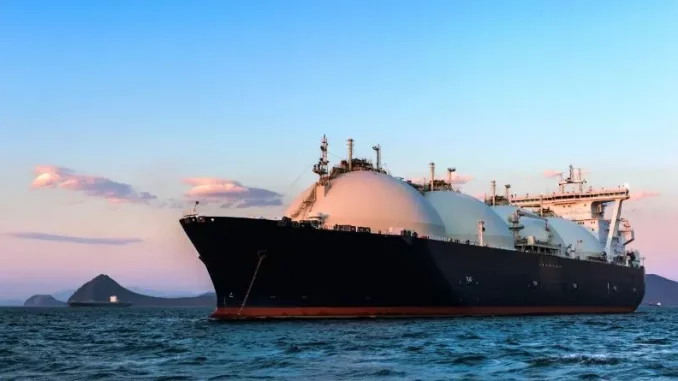
The ongoing tensions with Iran have turned the Strait of Hormuz into a critical flashpoint. Roughly 20% of the world’s seaborne oil passes through this narrow waterway, making it one of the most important routes for global energy. Iranian threats and restricted shipping have disrupted flows, sending oil prices higher — not because the oil is gone, but because it cannot reach refineries and markets reliably.
Even with record U.S. production, consumers feel the impact because global energy markets are interconnected. Gasoline, heating oil, and industrial fuels all respond to disruptions in the Strait, illustrating that access — not geological scarcity — is the real constraint. Strategic reserves and temporary rerouting can help, but these are stopgap measures rather than long-term solutions.
Domestic Policy Bottlenecks Compound the Problem
Access issues aren’t just geopolitical. Domestically, regulatory hurdles, delayed permits, and restrictions on federal lands limit production expansion. While private land production surges, untapped reserves on public lands remain constrained by policy, slowing the ability to fully capitalize on America’s energy abundance.
🎯 The Conclusion: A Clearer Energy Perspective
The U.S. isn’t facing a shortage of oil — it’s facing a shortage of access. American energy resources remain vast and capable of powering households, industries, and national defense if properly mobilized. What stands between that potential and everyday energy stability are regulatory constraints, political choices, and an overemphasis on scare rhetoric that ignores the data.
We must shift the policy debate away from myths of depletion and toward unlocking American energy advantage — expanding access, streamlining permitting, and strengthening infrastructure so that oil isn’t just in the ground, but actively fueling prosperity and security.
-cmt