Published March 12, 2025
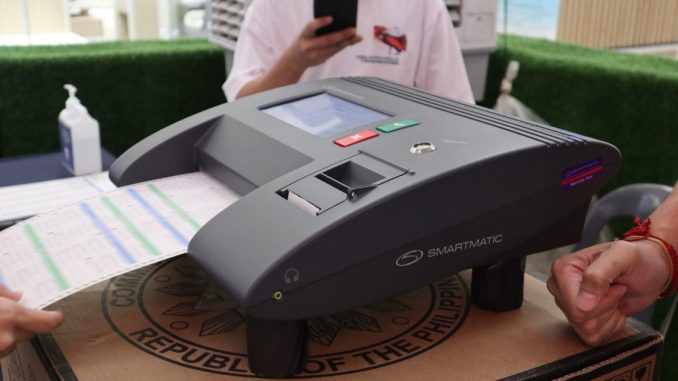
Voting technology company Smartmatic has filed a court motion seeking to dismiss a federal criminal indictment, asserting that the U.S. Department of Justice’s (DOJ) prosecution is politically motivated and amounts to vindictive and selective prosecution.
In a filing this week in the U.S. District Court for the Southern District of Florida, Smartmatic’s attorneys argued that the decision to bring corporate charges against the company was driven by retaliation rather than legitimate law‑enforcement interests. They insisted the case reflects an effort by the current administration to target perceived political adversaries — particularly those who have been central to disputes over the 2020 U.S. presidential election.
Background: Federal Bribery and Money‑Laundering Charges
The underlying criminal matter traces back to an indictment announced in October 2025 in Miami federal court, in which Smartmatic’s London‑based parent company, SGO Corporation Limited, was charged with multiple counts of bribery and money‑laundering under the Foreign Corrupt Practices Act (FCPA).
The DOJ alleges that executives and associates paid more than $1 million in bribes to Philippine officials in connection with contracts tied to the 2016 Philippine elections — purportedly to gain or retain business for the company’s election technology services.
Notably, the U.S. Attorney’s Office initially charged two Smartmatic executives in 2024 with bribery‑related offenses but did not indict the company itself. Smartmatic’s legal team highlights this sequence — declining to charge the company at first and then superseding the indictment after the current administration took office — as evidence of a political agenda.
Although Smartmatic machines were used in only one U.S. jurisdiction during the 2020 election, the company became a flashpoint in the fight for election integrity.
As part of its own campaign of retribution, the company has filed defamation lawsuits against numerous prominent figures and media outlets, including Fox News, MyPillow founder Mike Lindell, Rudy Giuliani, Sidney Powell, and Jeanine Pirro.
The company and its executives have pleaded not guilty to the bribery charges. If the judge allows the prosecution to move forward, the trial is scheduled for 2027.
The Department of Justice has so far declined to comment.
Smartmatic’s Defense: Political Retaliation Claims
In filings opposing the indictment, Smartmatic’s lawyers argue that:
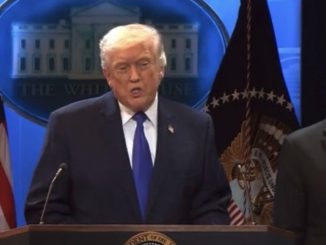
- The prosecution coincides with President Donald Trump’s ongoing rhetoric about the 2020 election and perceived enemies of his political base.
- DOJ’s decision to indict the parent company came after Trump returned to office, despite years of cooperation with federal authorities.
- The case has been seized upon by conservative media and political figures to bolster unfounded claims about how Smartmatic’s technology performed in U.S. elections.
The company also noted its own defamation lawsuits against several Trump allies and conservative media outlets — including Fox News, Rudy Giuliani, Sidney Powell, and Mike Lindell — for spreading false claims that Smartmatic’s machines were involved in altering the results of the 2020 presidential election.
Smartmatic attorneys have asked the court either to dismiss the indictment with prejudice (meaning it cannot be refiled) or, at the very least, to allow discovery into the government’s motivations and to hold a hearing to examine whether prosecutors acted with discriminatory intent.
Legal Context: High Bar for Vindictive‑Prosecution Claims
Claims of vindictive or selective prosecution are relatively rare and traditionally difficult to prevail on, as courts generally uphold a “presumption of regularity” for government charging decisions. However, similar arguments have been raised by other defendants in politically charged cases, and some judges have shown a willingness to scrutinize prosecutorial conduct more closely.
Next Steps: Trial Schedule and DOJ Response
Smartmatic and its executives have pleaded not guilty to the charges. If the judge denies the company’s motion to dismiss, the case is expected to proceed toward trial, potentially beginning in 2027.
The Justice Department has declined to comment publicly on Smartmatic’s allegations of bias or political motivation, aside from confirming the existence of the indictment and its status in court. �
 Public / Political Reactions
The ongoing prosecution of Smartmatic has generated a wide range of reactions from political figures, interest groups, and public discourse — echoing broader divisions over the role of the Justice Department and election‑technology companies in American politics:
Smartmatic’s Own Statement
- Smartmatic itself has framed the prosecution as part of a “campaign of retribution” by the Trump administration against entities perceived to have opposed former President Donald Trump, particularly those connected to disputes over the 2020 election. The company alleges that its indictment — especially the decision to add the corporate parent — reflects vindictive and selective prosecution rather than legitimate law enforcement.
- In court filings, Smartmatic’s attorneys pointed to Trump’s repeated public claims about the 2020 election and asserted that endorsing the prosecution aids a narrative that the election was stolen, a claim Smartmatic vehemently denies.
Trump Administration and Supporters
- As of the latest reporting, the White House and Department of Justice have not issued a detailed public defense of the prosecution beyond standard procedural comments. Reports note that the White House did not immediately respond to requests for comment on Smartmatic’s allegation of political motivation.
- Supporters of the prosecution, particularly among Trump’s political base and some conservative commentators, view the DOJ action as justified given the bribery and money‑laundering allegations, while also tying it rhetorically to broader disputes over election integrity and distrust of voting technology companies — even in the absence of U.S. election manipulation claims. (Public sentiment observed in online forums reflects this framing, though such commentary is not institutional political reaction.)
Legal and Political Analysts
- Legal observers have noted that arguments claiming vindictive or selective prosecution are traditionally difficult to prove in federal court, requiring clear evidence of discriminatory intent. However, recent cases have seen some judges more willing to at least allow discovery into prosecutorial motivation.
- Some analysts see Smartmatic’s motion as strategically linked to its ongoing defamation lawsuits against media outlets and political figures for false election fraud claims, arguing that timing and public statements may be relevant to assessing motive.
Democratic Responses & Broader Enforcement Context
- While not specifically about the Smartmatic indictment itself, some Democratic lawmakers have criticized the Trump DOJ’s handling of foreign bribery enforcement more broadly, proposing legislation like the FCPA Reinforcement Act to strengthen anti‑corruption enforcement amid concerns that current policies weaken oversight.
- This response reflects broader concern among Democratic officials that political influences could skew enforcement priorities at the DOJ, and suggests that the Smartmatic case may feed into larger partisan debates over how and when corporate wrongdoing — including foreign bribery — is prosecuted.
Public Discussion & Online Reaction
- Social media and public discussion forums show polarized public reaction, with some commenters portraying the prosecution as vindictive and politically driven, while others emphasize the seriousness of the bribery allegations and defend the need for enforcement of anti‑corruption laws.
- These reactions highlight how the case is being absorbed into broader cultural debates about election integrity, executive power, and judicial impartiality, even though the underlying charges pertain to alleged conduct in the Philippines rather than any U.S. election.
 Resulting Effects
The Smartmatic case, regardless of the court’s ultimate ruling, is already shaping political and corporate landscapes in several significant ways:
1. Chilling Effect on Election Tech Companies – The prosecution signals that companies providing election services, even internationally, may face heightened scrutiny or criminal exposure. Firms in this sector are likely to tighten compliance and legal oversight, potentially increasing costs and slowing innovation.
2. Political Weaponization of DOJ Actions – By framing the case as selective or retaliatory, it reinforces perceptions that federal prosecutorial power can be used as a tool against perceived political adversaries, fueling distrust in government institutions and judicial impartiality.
3. Media and Public Narrative Influence – Coverage and commentary surrounding Smartmatic continues to polarize public opinion, amplifying narratives that support skepticism of electoral processes, corporate accountability, and government fairness. This can shape legislative agendas and future oversight priorities.
4. Legal Precedent on Corporate Indictments – A ruling in favor of Smartmatic could raise the bar for prosecuting multinational corporations in politically charged contexts, while a ruling against the company may embolden prosecutors to pursue aggressive foreign bribery cases, even amid public controversy.
5. Impact on Defamation and Reputation Battles – The case intersects with ongoing defamation suits and public accusations, meaning corporate reputations and public trust are heavily influenced by courtroom proceedings, regardless of verdict, affecting investor confidence and partnerships.
In essence, the DOJ’s action creates a strategic ripple effect: it signals to corporations that legal exposure may extend beyond standard compliance issues, while simultaneously shaping public perception and political narratives in a way that reinforces caution, skepticism, and heightened scrutiny across both the private and public sectors.
 Future Outlook
Looking ahead, the Smartmatic case is likely to shape both legal and political dynamics for years to come:
1. Increased Scrutiny on Election Technology – Companies providing voting systems and related services may face stricter regulatory oversight and compliance demands, both domestically and internationally, as governments seek to prevent allegations of corruption or misconduct.
2. Precedent for DOJ Prosecutions – How the courts rule on claims of vindictive or selective prosecution could set a legal benchmark for prosecutorial discretion, influencing how future cases against multinational corporations are pursued.
3. Impact on Political Discourse – The case will continue to fuel public debate about fairness, accountability, and the impartiality of federal agencies, shaping narratives around trust in institutions and election integrity.
4. Corporate Risk Management – Firms operating in politically sensitive or highly regulated industries may adopt more cautious strategies, investing heavily in legal defenses, compliance programs, and public relations campaigns to mitigate risk.
5. Ongoing Legal Battles – With Smartmatic’s defamation and anti-retaliation claims still active, courtroom outcomes will likely influence corporate reputation and public perception, potentially affecting investment, partnerships, and market confidence.
Overall, the Smartmatic case is poised to have long-lasting ripple effects, signaling that both legal strategy and public messaging will play critical roles in shaping the intersection of corporate activity, regulatory enforcement, and political influence.
 Bottom Line:
The Smartmatic prosecution underscores the complex intersection of corporate accountability, government enforcement, and public perception. While the bribery allegations are serious, the case has already highlighted concerns about the timing, selectivity, and perceived motivations of federal action.
Regardless of the eventual verdict, the situation sends a clear signal to both corporations and the public: legal and political forces can have far-reaching consequences beyond the courtroom, influencing reputations, investor confidence, and public trust in institutions.
For companies operating in sensitive or highly scrutinized industries, the case serves as a cautionary tale — illustrating the need for robust compliance, vigilant risk management, and proactive engagement with both regulators and the public.
Ultimately, the Smartmatic saga is likely to reshape expectations around corporate governance, prosecutorial discretion, and the interplay between law and politics, with ripple effects that will extend well into the future.