Published June 14, 2026
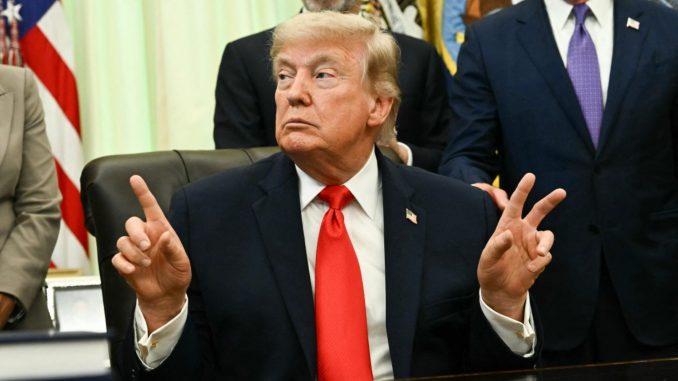
WASHINGTON — President Donald Trump said Saturday that the United States and Iran are expected to sign a peace agreement on Sunday, a move that could formally end months of conflict, reopen the strategically vital Strait of Hormuz, and begin a new phase of negotiations over Iran’s nuclear activities. However, Iranian officials have signaled that while progress has been made, a final agreement may not be signed as quickly as Washington hopes.
The announcement follows months of fighting that disrupted global energy markets and raised fears of a wider regional war. Trump stated that the agreement would ensure Iran does not obtain nuclear weapons and would immediately reopen the Strait of Hormuz, one of the world’s most important shipping lanes for oil and gas exports.
Pakistan, which has acted as a key mediator in the negotiations, said both sides have agreed on a framework and are closer to a deal than ever before. Pakistani Prime Minister Shehbaz Sharif indicated that a final text has been prepared and that preparations for an electronic signing are underway.
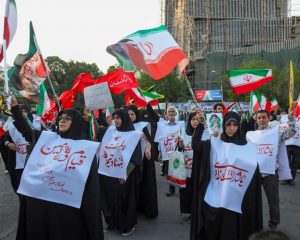
A gathering in support of the new leader, Mojtaba Khamenei, at Palestine Square in Tehran, Iran, on 12 June. Photograph: Majid Saeedi/Getty Images
Iran, however, is urging caution. Iranian Foreign Ministry spokesman Esmaeil Baghaei said the possibility of an agreement in the coming days remains high but rejected suggestions that a signing ceremony was already finalized. Tehran maintains that additional discussions may still be necessary before a formal agreement can be completed.
The proposed agreement reportedly focuses first on ending hostilities and restoring freedom of navigation through the Strait of Hormuz. Discussions surrounding Iran’s nuclear program would continue during a separate negotiation period expected to follow the peace accord.
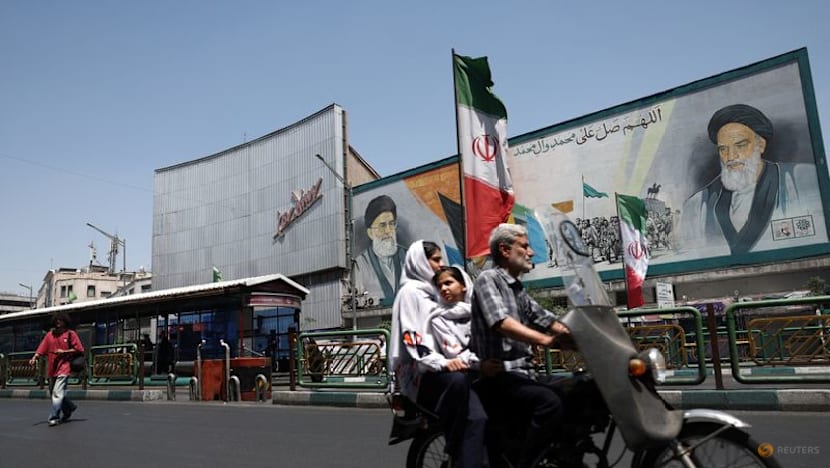 People ride past a mural depicting the late leader of the Islamic Revolution, Ayatollah Ruhollah Khomeini, and the late Iran’s Supreme Leader Ayatollah Ali Khamenei, on a street in Tehran, Iran, Jun 9, 2026. (Photo: REUTERS/Majid Asgaripour)
Financial markets responded positively to signs of progress. Investors have closely watched developments in the Gulf because any disruption in the Strait of Hormuz can affect energy supplies worldwide. Reports of a possible agreement have contributed to lower oil prices and improved market sentiment.
The negotiations come as Iran prepares state funeral ceremonies for former Supreme Leader Ali Khamenei, who was killed earlier in the conflict. His son, Mojtaba Khamenei, has assumed leadership amid the ongoing diplomatic efforts.
While optimism is growing, significant questions remain. Previous attempts to finalize agreements have fallen apart at the last minute, and differences remain over sanctions, frozen Iranian assets, and the future of Iran’s nuclear infrastructure.
For now, world leaders, financial markets, and Middle East allies are watching closely to see whether Sunday’s anticipated signing becomes a historic breakthrough—or another delay in a conflict that has already reshaped the region.
🧩 Reading Between the Lines:
More Than a Peace Deal
At first glance, this appears to be a straightforward peace agreement aimed at ending a dangerous conflict. But beneath the headlines, the deal represents a major test of whether military pressure and economic sanctions can force long-time adversaries back to the negotiating table.
For supporters of a tougher foreign policy, the negotiations suggest that strength—not concessions—may have played a key role in bringing Iran toward an agreement.
The Importance of Leverage
One of the biggest questions is why Iran appears more willing to negotiate now than in previous years. The answer may lie in the pressure created by military setbacks, economic strain, and international isolation.
In international politics, countries rarely make major compromises simply because they are asked to. More often, they do so when the cost of refusing becomes too high. The current talks may be another example of that reality.
The Nuclear Question Isn’t Going Away
Even if a peace agreement is signed, the larger issue remains Iran’s nuclear program.
Ending active hostilities is one thing. Ensuring that Iran never develops a nuclear weapon is another. Many observers believe the real challenge begins after the cameras leave and negotiators return to the table to discuss inspections, enrichment activities, and long-term verification.
Trust But Verify
History has left many Americans skeptical of promises made by hostile governments. Previous agreements in the region have often included commitments that later became difficult to enforce.
As a result, many people will be looking beyond the announcement itself and asking what safeguards are in place. A signed document may bring temporary relief, but lasting peace depends on whether both sides actually follow through.
The Strait of Hormuz Matters to Everyone
Most Americans may never visit the Persian Gulf, but what happens there can affect prices at home.
The Strait of Hormuz is one of the world’s most important energy routes. When shipping is threatened, oil prices often rise. Higher energy costs can eventually affect gasoline, transportation, manufacturing, and consumer prices.
That means the success or failure of this agreement could have consequences far beyond the Middle East.
A Test of American Leadership
The negotiations are also being viewed as a test of U.S. leadership on the world stage.
Supporters argue that maintaining a position of strength helped create the conditions for diplomacy. Critics may disagree on the approach, but few dispute that the outcome will be closely watched by allies and adversaries alike.
🔗 The Stakes:
A Deal With Global Consequences
This is not just another diplomatic meeting between two countries. What happens in the coming days could affect global security, energy markets, and America’s position in the world. The outcome will influence not only the Middle East but also families and businesses far from the region.
Preventing a Nuclear-Armed Iran
The biggest stake is whether Iran can be permanently prevented from obtaining a nuclear weapon.
Many policymakers believe a nuclear-armed Iran would dramatically increase instability in the Middle East, encourage a regional arms race, and create new threats for American allies. Any agreement will ultimately be judged on whether it delivers real safeguards rather than temporary promises.
Stability in Energy Markets
The Strait of Hormuz remains one of the most important shipping routes on the planet. A large portion of the world’s oil supply passes through this narrow waterway.
If the route remains open and secure, energy markets are likely to remain more stable. If tensions return and shipping is disrupted, consumers could feel the effects through higher fuel costs, transportation expenses, and inflationary pressure.
Credibility on the World Stage
America’s friends and rivals are watching closely.
Allies want to know whether the United States can help maintain stability in one of the world’s most volatile regions. Adversaries are watching to see whether American warnings and commitments are backed by action. The success or failure of the agreement could shape perceptions of U.S. leadership for years to come.
The Cost of Getting It Wrong
A weak agreement could create the appearance of peace while allowing deeper problems to remain unresolved. If enforcement mechanisms fail or critical issues are left vague, today’s breakthrough could become tomorrow’s crisis.
Many observers argue that a lasting agreement must be based on verification, accountability, and clear consequences for violations—not simply goodwill or optimistic expectations.
Regional Security
Countries throughout the Middle East have a direct stake in the outcome. The region has experienced years of conflict, proxy wars, and political instability.
A successful agreement could reduce tensions and lower the risk of future military confrontations. A failed agreement could reignite uncertainty and increase the chances of another regional crisis.
🏁 The Final Word:
The prospect of a U.S.-Iran peace agreement has generated cautious optimism, but the real test will come after the headlines fade. While reopening the Strait of Hormuz and reducing tensions would be positive developments, many questions remain about enforcement, verification, and the future of Iran’s nuclear ambitions. History has shown that diplomatic agreements are only as strong as the willingness of both sides to honor them. For many observers, success will not be measured by a signing ceremony or political declarations, but by whether the agreement delivers lasting security, protects American interests, and prevents future conflict. In the end, the goal is not simply peace for today, but stability that can endure long after the deal is signed.
SOURCES: AL JAZEERA – Trump says deal to be signed today; Tehran disputes timing
US NEWS – US, Iran Inch Closer to Deal, Timing Remains Unclear
AP NEWS – Trump and Pakistan say Iran deal could be signed Sunday but Tehran signals more time is needed
BARRON’S – Trump Says Iran Deal Will Be Signed Sunday