Reported by:

Cherry Meigh Timbol
News Content Editor
Published August 12, 2026
WASHINGTON — The United States has escalated enforcement of its blockade against Iranian ports after American forces fired on a Panama-flagged cargo vessel accused of attempting to breach the restrictions in the Gulf of Oman, while Iran simultaneously reshuffled senior military and security officials as efforts to resolve the Strait of Hormuz crisis remain stalled.
The confrontation comes as maritime attacks continue across the region and Tehran signals that it will not reopen the Strait of Hormuz unless Washington accepts a series of demands. At the same time, Iran’s Supreme Leader Mojtaba Khamenei has moved to strengthen the country’s wartime command structure, including the appointment of veteran Revolutionary Guard commander Mohsen Rezaei to a senior national-security position.
🚢 U.S. Forces Fire on Panama-Flagged Cargo Ship
U.S. Central Command said a Navy helicopter fired two Hellfire missiles at the Panama-flagged M/V Vela Nova after the vessel allegedly ignored repeated warnings and attempted to sail toward an Iranian port.
The strike disabled the ship’s steering system and targeted its engine room, according to CENTCOM. The vessel was located in the Gulf of Oman, roughly 70 nautical miles from Pakistan’s coast. No casualties were immediately reported among the 17 crew members.
CENTCOM said the vessel’s attempted movement constituted a violation of the U.S. blockade against Iranian ports.
POSITION: Washington is signaling that it intends to actively enforce the blockade rather than rely solely on warnings or diplomatic pressure.
🇮🇷 Tehran Rejects Pressure to Reopen Strait of Hormuz
Iran has continued to reject calls for an unconditional reopening of the Strait of Hormuz.
Iranian officials have indicated that the waterway will remain closed until the United States changes its policies and meets Tehran’s demands, including ending the war and blockade and addressing Iran’s frozen assets.
The confrontation is particularly significant because the Strait of Hormuz is one of the world’s most important energy-shipping routes.
POSITION: Tehran is using control over the strategic waterway as leverage in its confrontation with Washington.
🪖 Iran Reshuffles Senior Military Leadership
Iran has simultaneously undertaken a major reshuffle of its military and national-security leadership.
Supreme Leader Mojtaba Khamenei appointed six senior commanders to top military positions as Tehran reorganizes its security structure during the continuing confrontation with the United States and Israel.
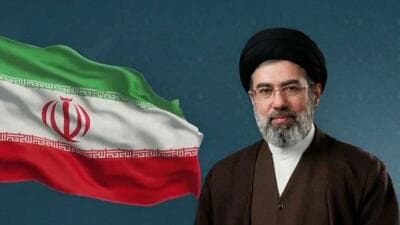
Among the most notable appointments is former Islamic Revolutionary Guard Corps commander Mohsen Rezaei, who has taken over as secretary of Iran’s Supreme National Security Council.
Other senior positions in the armed forces and IRGC have also been changed as the leadership seeks to consolidate command.
POSITION: The reshuffle suggests Tehran is prioritizing military coordination and a harder security posture as negotiations over Hormuz remain unresolved.
🛡️ Hardliners Gain Greater Influence
The personnel changes have been interpreted as a sign that Iran is preparing for a prolonged confrontation rather than relying entirely on diplomatic negotiations.
Rezaei is a veteran IRGC commander with decades of experience in Iran’s security establishment. His appointment places a prominent military figure at the center of national-security decision-making.
The leadership changes come as Tehran continues to reject demands that would require it to surrender significant leverage over the Strait of Hormuz.
POSITION: Iran’s leadership structure is increasingly oriented toward maintaining pressure on Washington while preserving its negotiating leverage.
🇵🇰 Pakistan Attempts to Keep Diplomacy Alive
The military escalation comes despite renewed diplomatic efforts involving Pakistan.
Pakistan’s Interior Minister Mohsin Naqvi traveled to Tehran as Islamabad attempted to encourage renewed negotiations between Washington and Tehran. Pakistani officials have indicated optimism that the two sides could still reach an arrangement over the Hormuz crisis.
However, the U.S. strike against the Vela Nova occurred as Iran continued insisting on conditions for reopening the waterway.
POSITION: Diplomatic efforts remain active, but the simultaneous military escalation demonstrates how fragile the negotiations have become.
🌊 Maritime Attacks Spread Across the Region
The Vela Nova incident occurred amid a broader deterioration in regional maritime security.
Iran-backed Houthi forces reportedly attacked the Tanzania-flagged vessel Tihamah in the Bab el-Mandeb, with fatalities reported among the crew and personnel involved in rescue operations.
The simultaneous incidents in the Gulf of Oman and Bab el-Mandeb demonstrate the growing geographic reach of the maritime crisis.
POSITION: Commercial shipping faces increasing risks as confrontation involving Iran, the United States and Iran-aligned forces spreads across critical waterways.
🛢️ Global Energy and Shipping Risks Increase
The continuing disruption around Hormuz is creating uncertainty for global energy markets and commercial shipping.
The Strait of Hormuz is a critical route for international oil and gas shipments, meaning prolonged restrictions or attacks could increase transportation costs and put additional pressure on energy prices.
Shipping companies are also facing increased insurance, security and rerouting costs as vessels attempt to avoid areas affected by military operations.
POSITION: Continued disruption of regional waterways could produce consequences well beyond the Middle East, particularly for global energy markets and international trade.
⚠️ U.S.-Iran Confrontation Enters a More Dangerous Phase
The firing on the Vela Nova represents a significant escalation because a commercial vessel was physically disabled during enforcement of the blockade.
At the same time, Iran’s military leadership reshuffle suggests Tehran is preparing for continued confrontation while maintaining its demands over Hormuz.
The combination of military enforcement, maritime attacks, leadership changes and stalled negotiations creates a highly volatile environment.
👥 Public / Political Reactions:
🇺🇸 U.S. Government and Military Officials
U.S. officials have signaled that Washington intends to enforce its blockade of Iranian ports while maintaining pressure on Tehran over the Strait of Hormuz.
- U.S. forces fired on the Panama-flagged M/V Vela Nova after the vessel allegedly ignored repeated warnings and attempted to reach an Iranian port.
- The U.S. military said the vessel was disabled during the operation, with no immediate reports of casualties.
- Washington has continued enforcing restrictions on commercial vessels attempting to breach the blockade.
- President Donald Trump has maintained a strong position on control of the Strait of Hormuz as negotiations with Iran remain unresolved.
Position: Washington is signaling that it will use military force to enforce the blockade and maintain pressure on Iran until Tehran accepts U.S. demands.
🇮🇷 Iranian Government and Security Leadership
Iran has rejected demands to reopen the Strait of Hormuz without receiving major concessions from Washington.
- Iran’s Supreme National Security Council said the Strait would remain closed unless the United States changes its behavior and accepts Tehran’s conditions.
- Newly appointed security chief Mohsen Rezaei has taken a prominent role as negotiations over Hormuz stall.
- Rezaei is a veteran commander of the Islamic Revolutionary Guard Corps and has extensive experience within Iran’s security establishment.
- The leadership reshuffle has been interpreted as a sign that Tehran is preparing for a prolonged confrontation.
Position: Tehran is maintaining a hardline negotiating posture and using control of the Strait of Hormuz as strategic leverage against Washington.
🪖 Iranian Revolutionary Guard and Hardliners
The appointment of veteran IRGC commander Mohsen Rezaei to Iran’s top national-security post has strengthened the influence of military figures within Tehran’s security decision-making.
- Rezaei previously commanded the IRGC.
- His appointment comes as negotiations over reopening Hormuz face serious difficulties.
- The reshuffle places an experienced military figure at the center of Iran’s security and foreign-policy decision-making.
- Analysts have interpreted the move as evidence of a harder security posture in Tehran.
Position: Iran’s leadership appears increasingly focused on military deterrence and maintaining leverage rather than making immediate concessions over Hormuz.
🇵🇰 Pakistani Officials
Pakistan has attempted to maintain a diplomatic channel between Washington and Tehran as tensions around the Strait continue.
- Pakistani officials have sought to encourage negotiations between the United States and Iran.
- Islamabad has an interest in preventing further escalation because of its proximity to the Gulf of Oman and the Strait of Hormuz.
- The U.S. strike against the Vela Nova occurred while diplomatic efforts were continuing.
Position: Pakistan is seeking a diplomatic solution while facing the risks created by escalating military activity near its maritime approaches.
🌍 International Community
The confrontation is generating international concern because the Strait of Hormuz is a critical route for global energy and commercial shipping.
- The U.S. enforcement operation increases concerns over the safety of commercial vessels.
- Iran’s continued closure of the Strait threatens to prolong disruption to regional shipping.
- International governments and shipping companies are closely monitoring developments around the Gulf of Oman and Hormuz.
- Continued military incidents could increase pressure for diplomatic de-escalation.
Position: International concern is increasingly focused on preventing further escalation while protecting freedom of navigation and the global energy supply.
🚢 Shipping and Maritime Security Community
Maritime-security officials are warning of increased risks for commercial vessels operating near Iranian waters.
- The Vela Nova incident demonstrates that vessels attempting to challenge the blockade could face direct military intervention.
- Commercial ships operating near the Strait of Hormuz face increasing uncertainty over navigation and security.
- Additional maritime attacks elsewhere in the region are adding to concerns about the safety of international shipping.
- Higher security risks could increase insurance, routing and transportation costs.
Position: The combination of the U.S. blockade, Iranian restrictions and regional attacks is creating an increasingly dangerous environment for commercial shipping.
⚠️ Regional Security Analysts
Security analysts are focused on the connection between the U.S. blockade, Iran’s military leadership reshuffle and the stalled Hormuz negotiations.
- The appointment of Rezaei could indicate that Iran is preparing for continued confrontation.
- The U.S. strike against a commercial vessel demonstrates Washington’s willingness to enforce its blockade militarily.
- Continued restrictions around Hormuz could increase pressure on global energy markets.
- Further maritime incidents could make diplomatic negotiations more difficult.
Position: Analysts warn that the combination of military enforcement and Iran’s increasingly hardline security leadership could raise the risk of further escalation across the Persian Gulf and surrounding waterways.
⚠️ Resulting Effects:
The U.S. attack on a vessel accused of attempting to breach the Iranian blockade, combined with Tehran’s appointment of veteran IRGC commander Mohsen Rezaei to a top national-security post, could significantly increase military and economic pressure around the Strait of Hormuz. The incident also raises the risk that stalled negotiations could give way to further maritime confrontations.
1. Increased Risk to Commercial Shipping
The use of force against the Panama-flagged Vela Nova could make commercial operators more cautious about sailing near Iranian ports.
🚢 Shipping companies may face greater uncertainty over whether vessels could be intercepted.
⚠️ Crews could face increased risks during attempts to reach Iranian ports.
🛡️ Operators may increase security measures or alter routes.
➡️ Result: U.S. blockade enforcement → greater risks and uncertainty for commercial shipping.
2. Greater Pressure on Iran’s Economy
Continued enforcement of the blockade could further restrict Iran’s ability to move goods through its ports.
🛢️ Iranian energy exports could face additional disruption.
🚢 Fewer vessels may be willing to enter Iranian ports.
💰 Reduced maritime trade could increase economic pressure on Tehran.
➡️ Result: Tighter blockade enforcement → increased economic pressure on Iran.
3. Increased Military Tensions Around Hormuz
The attack demonstrates that the confrontation has moved beyond warnings and diplomatic pressure.
🚀 U.S. forces have demonstrated willingness to use weapons against non-compliant vessels.
🇮🇷 Iran could respond by strengthening maritime defenses.
⚠️ Additional incidents could trigger a wider military escalation.
➡️ Result: Direct U.S. military enforcement → higher risk of confrontation around the Gulf of Oman and Hormuz.
4. Harder Iranian Security Posture
The appointment of Mohsen Rezaei could reinforce the influence of experienced IRGC figures in Iran’s national-security decision-making.
🪖 Rezaei brings decades of military and security experience.
🇮🇷 Tehran could prioritize deterrence and military preparedness.
⚠️ A harder security posture could make negotiations more difficult.
➡️ Result: Military leadership reshuffle → stronger emphasis on security and confrontation.
5. Greater Pressure on Hormuz Negotiations
The maritime confrontation could make diplomatic negotiations more difficult.
🤝 Talks could face additional obstacles following the U.S. attack.
🇮🇷 Iran could demand stronger guarantees before reopening the waterway.
🇺🇸 Washington could maintain pressure rather than ease blockade enforcement.
➡️ Result: Maritime escalation → greater difficulty reaching a diplomatic agreement over Hormuz.
6. Higher Global Energy Risks
Continued disruption around the Strait of Hormuz could affect international energy markets.
🛢️ Hormuz remains a critical route for global oil shipments.
📈 Prolonged disruption could contribute to higher energy prices.
🌍 Import-dependent economies could face increased costs.
➡️ Result: Continued Hormuz disruption → greater volatility in global energy markets.
7. Increased Risk of Regional Maritime Attacks
The Vela Nova incident comes amid broader attacks and security incidents affecting regional waterways.
🌊 Commercial vessels could face threats in the Gulf of Oman, Hormuz and Red Sea.
⚠️ Iran-aligned groups could become more active in response to U.S. pressure.
🚢 Shipping companies could face higher insurance and security costs.
➡️ Result: Expanding maritime confrontation → wider threats to commercial shipping across the region.
8. Greater Possibility of Prolonged Confrontation
The combination of military enforcement and Iran’s leadership reshuffle could make a quick resolution less certain.
🇺🇸 The U.S. continues enforcing the blockade.
🇮🇷 Iran is strengthening its security leadership while maintaining pressure over Hormuz.
⏳ Stalled negotiations could continue while military and economic pressure increases.
➡️ Result: U.S. pressure + Iranian hardline security posture → prolonged uncertainty and higher escalation risks.
🔮 Future Outlook:
The confrontation between the United States and Iran is likely to remain highly volatile as Washington continues enforcing its blockade while Tehran refuses to reopen the Strait of Hormuz without major concessions. Recent attacks on commercial shipping and the appointment of veteran IRGC commander Mohsen Rezaei to Iran’s top security body suggest that military pressure and diplomacy will continue developing simultaneously. 0
1. Continued U.S. Enforcement of the Iran Blockade
The United States is likely to continue intercepting vessels attempting to reach Iranian ports.
🚢 Commercial ships could face additional inspections or military intervention.
🇺🇸 Washington could maintain pressure on Tehran until its demands are addressed.
⚠️ Further confrontations at sea could increase the risk of escalation.
➡️ Outlook: Continued U.S. enforcement → sustained pressure on Iran and greater risks for shipping.
2. Iran May Keep the Strait of Hormuz Closed
Iran has stated that Hormuz will remain closed unless the United States changes its position and accepts Tehran’s conditions.
🇮🇷 Tehran could maintain control over access to the waterway.
🛢️ Global energy shipments could remain disrupted.
⚠️ Prolonged closure could increase economic pressure on both Iran and international markets.
➡️ Outlook: Continued Iranian restrictions → prolonged uncertainty over the reopening of Hormuz. 1
3. More Maritime Confrontations Could Occur
The latest attacks demonstrate that commercial shipping remains vulnerable across the region.
🚢 Additional vessels could become caught between competing military operations.
🌊 Incidents could occur around Hormuz, the Gulf of Oman and the Red Sea.
⚠️ Further attacks could trigger retaliatory military actions.
➡️ Outlook: Continued maritime incidents → greater risk of a wider regional confrontation.
4. Iran Could Maintain a Hardline Security Posture
The appointment of Mohsen Rezaei indicates that experienced military figures will remain influential in Tehran’s security decision-making.
🪖 Iran could strengthen its military preparedness.
🇮🇷 Tehran may continue resisting demands for major concessions.
⚠️ A harder security posture could make negotiations more difficult.
➡️ Outlook: Stronger military influence → reduced likelihood of quick concessions from Tehran.
5. Diplomatic Negotiations Could Continue Despite Escalation
Despite the military incidents, diplomatic efforts are likely to continue.
🤝 Pakistan and other intermediaries could continue encouraging U.S.-Iran negotiations.
🇺🇸 Washington could seek a deal that reopens Hormuz under its conditions.
🇮🇷 Tehran could use the waterway as leverage in negotiations.
➡️ Outlook: Military pressure + diplomacy → continued negotiations but with a high risk of repeated deadlock.
6. Global Energy Markets Could Remain Volatile
A prolonged disruption around Hormuz could continue affecting oil prices and international trade.
🛢️ Oil markets could react to every major maritime incident.
📈 Energy prices could rise if shipping disruptions persist.
🌍 Import-dependent countries could face higher transportation and energy costs.
➡️ Outlook: Prolonged Hormuz disruption → continued volatility in global energy markets.
7. Shipping Companies Could Reroute More Vessels
Commercial operators may increasingly avoid areas considered unsafe.
🚢 Ships could remain outside affected waterways.
💰 Insurance and transportation costs could increase.
🛣️ Longer alternative routes could add time and expense to global trade.
➡️ Outlook: Higher maritime risks → more expensive and complicated international shipping.
8. Risk of a Prolonged U.S.-Iran Standoff
A quick resolution remains uncertain as both sides continue using military and economic pressure.
🇺🇸 The United States is maintaining the blockade.
🇮🇷 Iran is refusing to reopen Hormuz without major concessions.
⏳ Continued attacks and stalled negotiations could prolong the crisis.
➡️ Outlook: Continued U.S.-Iran confrontation → prolonged uncertainty with the possibility of further military escalation.
🧩 Bottom Line:
The U.S. attack on a vessel accused of attempting to breach the Iran blockade, combined with Tehran’s increasingly hardline security posture, signals that the confrontation around the Strait of Hormuz remains highly volatile. Continued military enforcement by Washington and Iran’s refusal to reopen the waterway without major concessions could prolong the crisis and increase risks for commercial shipping and global energy markets.
🇺🇸 For the United States, continued enforcement of the blockade could increase pressure on Tehran but also raise the risk of direct military confrontation.
🇮🇷 For Iran, maintaining control over the Strait of Hormuz provides significant leverage, while the military leadership reshuffle suggests Tehran is preparing for continued confrontation.
🚢 For commercial shipping, further military incidents could increase risks, insurance costs and pressure to avoid affected waterways.
🛢️ For global energy markets, prolonged disruption around Hormuz could create additional volatility and potentially increase transportation and energy costs.
🌍 For the international community, the crisis could threaten regional stability and place greater pressure on governments to pursue diplomatic efforts to prevent further escalation.
⚠️ Bottom Line: The U.S.-Iran confrontation is entering a more dangerous phase as military pressure, maritime incidents and stalled negotiations converge around the Strait of Hormuz. If neither side backs down, the crisis could become prolonged, with consequences extending from regional security to global shipping and energy markets.
SOURCES: ZEROHEDGE – Iran’s Military Command Reshuffle Digs In For ‘Hardline’ Confrontation: US Must Meet All Demands For Hormuz Opening
FIRSTPOST – Iran reshuffles top military leadership as Hormuz talks stall, hardliners take key posts