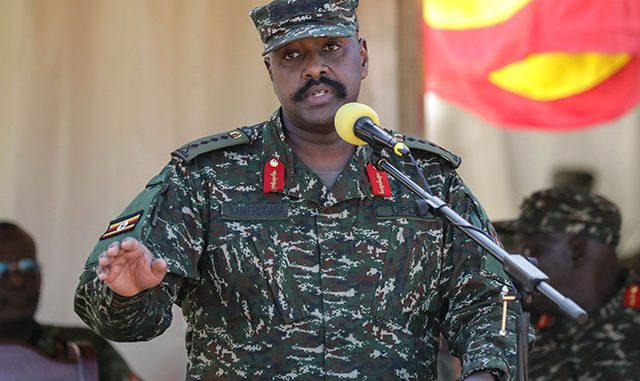
Gen. Muhoozi Kainerugaba, son of Ugandan President Yoweri Museveni and top commander of the Ugandan military, said on Wednesday that his forces are “ready to assist” Israel in battle with Iran.
Published March 28, 2026
The top military commander of Uganda has publicly declared that he and his forces are prepared to support Israel in its conflict with Iran, raising eyebrows internationally and drawing attention to how far the Middle East war’s impact is reaching.
What Was Said
Gen. Muhoozi Kainerugaba, the head of the Uganda People’s Defence Forces and son of Ugandan President Yoweri Museveni, took to social media this week to express strong support for Israel. In a series of posts, the general said that:
- Uganda stands with Israel and views Israel’s right to exist as important
- If Israel faces defeat or threats to its survival, Uganda “would enter the war on Israel’s side”
- He reiterated Uganda’s readiness to assist Israel militarily if asked
- His statements were rooted in shared historical connections and Christian ties between the populations of the two countries
Kainerugaba’s comments also included references to historical events, including honoring Israeli soldiers who took part in past missions in Uganda.
Historic and Strategic Context
Uganda and Israel have an unusual and long‑standing relationship. In 1976, Israeli commandos carried out Operation Entebbe in Uganda to rescue hostages held by hijackers — a raid that deeply affected the two countries’ histories.
Uganda’s modern military maintains professional ties with various international forces, and expressing political support for Israel reflects both historical bonds and diplomatic gestures from its leadership.
Reaction and Implications
Although Kainerugaba’s declaration received attention on social media, it does not yet represent an official government deployment of troops, and Ugandan military leaders have not confirmed specific plans for involvement in combat. What is clear is:
- Uganda’s leader is publicly aligning with Israel’s position in the broader conflict
- The remarks signal willingness to deepen cooperation, not an immediate military commitment
- Such statements could influence diplomatic relations with countries supporting different sides in the Middle East war
Experts say statements by high‑ranking commanders, especially one with close ties to the president, can shape perceptions of a country’s foreign policy — even before formal actions are taken.
Regional and Global Context
The conflict between Israel and Iran has intensified over recent weeks, drawing international attention and responses from across the world. While some nations have called for peace talks or de‑escalation, others have expressed clear support for one side.
Uganda’s willingness to take a stand — even rhetorically — suggests that the conflict’s reach is extending beyond the Middle East and that global alliances are influencing military leaders and policymakers far from the front lines.
🧩 The Core Analysis: Uganda Offers Support to Israel
Gen. Muhoozi Kainerugaba’s offer of military support to Israel reflects a pragmatic alignment based on shared historical ties, strategic interests, and ideological sympathy. While Uganda is not officially committing troops at this stage, the statement carries significant symbolic and strategic weight in the context of the Israel-Iran conflict.
Key points:
- Historical Ties Drive Alignment – Uganda and Israel share a notable history, including Operation Entebbe in 1976, which created lasting goodwill. This historical connection shapes Uganda’s willingness to signal support during current conflicts.
- Strategic Signaling – Even without immediate troop deployment, such public statements communicate Uganda’s position to regional and global actors, potentially influencing diplomatic negotiations and international perceptions.
- Influence Beyond Borders – African countries like Uganda may not be front-line actors in Middle East wars, but high-profile support from a military chief can bolster Israel’s regional legitimacy and signal potential for broader coalition support.
- Caution and Political Posturing – The announcement is primarily rhetorical at this stage, allowing Uganda to maintain diplomatic flexibility while projecting alignment with Israel and its allies.
🔗 The Synthesis:
Gen. Muhoozi Kainerugaba’s offer of support to Israel highlights the strategic importance of historical alliances, diplomacy, and global signaling. Even without committing troops, Uganda’s position underscores how past cooperation and shared values influence contemporary foreign policy decisions.
Key takeaways:
- History Shapes Decisions – Uganda’s ties with Israel, dating back to Operation Entebbe in 1976, provide a foundation for expressed solidarity, showing that longstanding relationships continue to influence current security alignments.
- Symbolic Support Matters – Public statements by high-ranking officials can send clear signals to both allies and adversaries, shaping international perceptions even in the absence of immediate military action.
- Regional Influence – By aligning rhetorically with Israel, Uganda positions itself as a key voice in African diplomacy regarding Middle East conflicts, reflecting its awareness of regional and global strategic dynamics.
- Maintaining Flexibility – The pledge allows Uganda to express loyalty and support while retaining the ability to adapt to evolving circumstances, balancing moral, historical, and strategic considerations.
🏁 The Final Word:
Gen. Muhoozi Kainerugaba’s pledge of support to Israel reflects a careful balance of historical loyalty, strategic signaling, and regional awareness. While no troops have been deployed, the statement sends a strong message about Uganda’s willingness to stand with an ally, reinforcing long-standing ties and demonstrating diplomatic alignment in a volatile international context.
Ultimately, this move highlights the importance of historical relationships, moral solidarity, and geopolitical prudence in shaping a nation’s stance during global conflicts. By publicly supporting Israel, Uganda positions itself as a reliable partner, signaling commitment while maintaining flexibility in the complex dynamics of Middle East security.
SOURCES: THE GATEWAY PUNDIT – Ugandan Military Commander Offers Israel Help Against Iran
THE WALL STREET JOURNAL – Ugandan Commander Offers Military Support for Israel