Published July 11, 2026
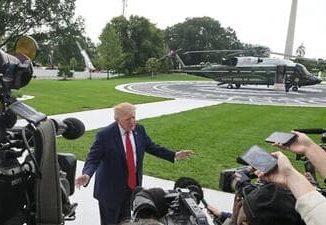
WASHINGTON — After days of escalating military exchanges and attacks on commercial shipping in the Strait of Hormuz, the United States is intensifying diplomatic pressure on Iran while regional mediator Qatar races to prevent another full-scale conflict in the Middle East.
Although the latest wave of missile strikes has temporarily subsided, officials say the diplomatic battle may prove even more difficult than the military one.
According to multiple reports, Qatar is working alongside Oman to persuade both Washington and Tehran to return to indirect negotiations after the recent ceasefire effectively collapsed following renewed attacks on shipping and retaliatory U.S. strikes.
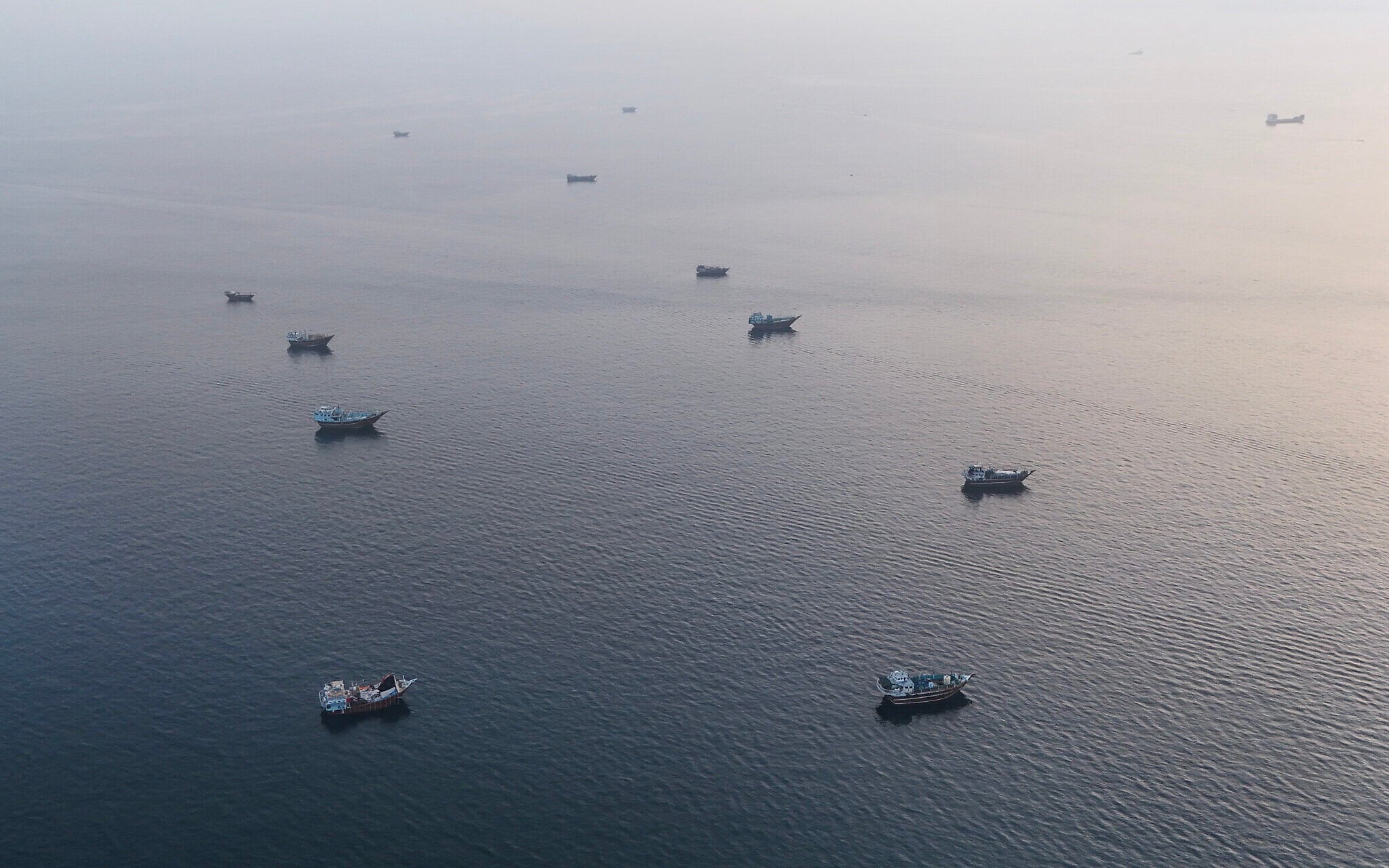
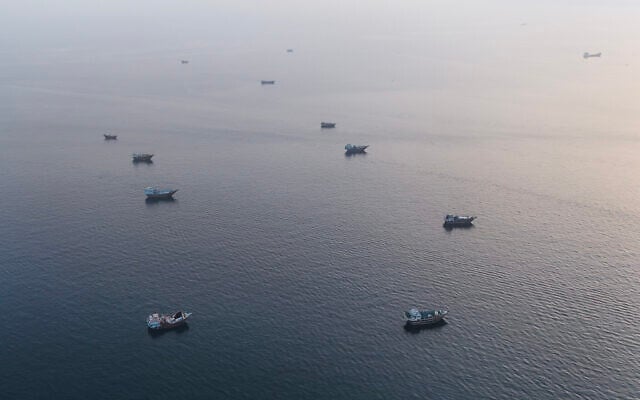 This aerial photograph shows boats anchored off Oman’s northern Musandam Peninsula near the Strait of Hormuz on June 27, 2026. (AFP)
Washington Issues New Demands
The Trump administration is reportedly insisting that Iran publicly commit to several conditions before meaningful negotiations can resume.
Among the key U.S. demands are:
- A formal pledge to end attacks on commercial shipping in the Strait of Hormuz.
- A guarantee that vessels will be allowed to pass freely without Iranian tolls or interference.
- Continued negotiations over Iran’s highly enriched uranium stockpile as part of a broader nuclear agreement.
American officials reportedly believe that a public declaration—not merely private assurances—is necessary to restore confidence among global shipping companies and international allies.
Qatar Attempts to Keep Both Sides Talking
Qatar, which has served as one of the primary mediators throughout the crisis, is now engaged in urgent diplomacy with both Iran and Oman in hopes of reviving negotiations.
Diplomatic sources indicate that discussions are centered on reopening maritime traffic, reducing military tensions, and finding language both governments can accept regarding the future operation of the Strait of Hormuz.
The Gulf nation has repeatedly emphasized that another military escalation would threaten regional stability and global energy markets.
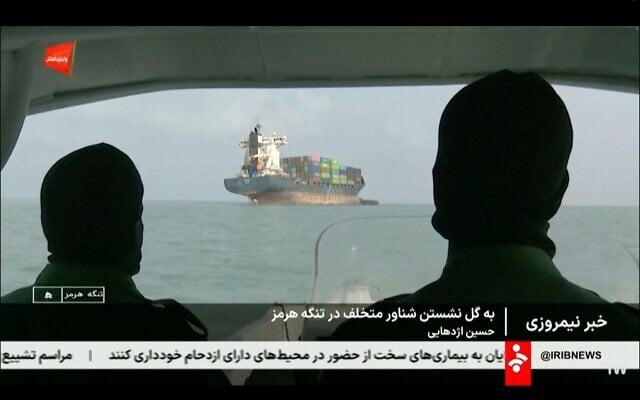 This frame grab of footage aired July 1, 2026, by Iranian state television shows a vessel that ran aground in the Strait of Hormuz. (Iranian state television via AP)
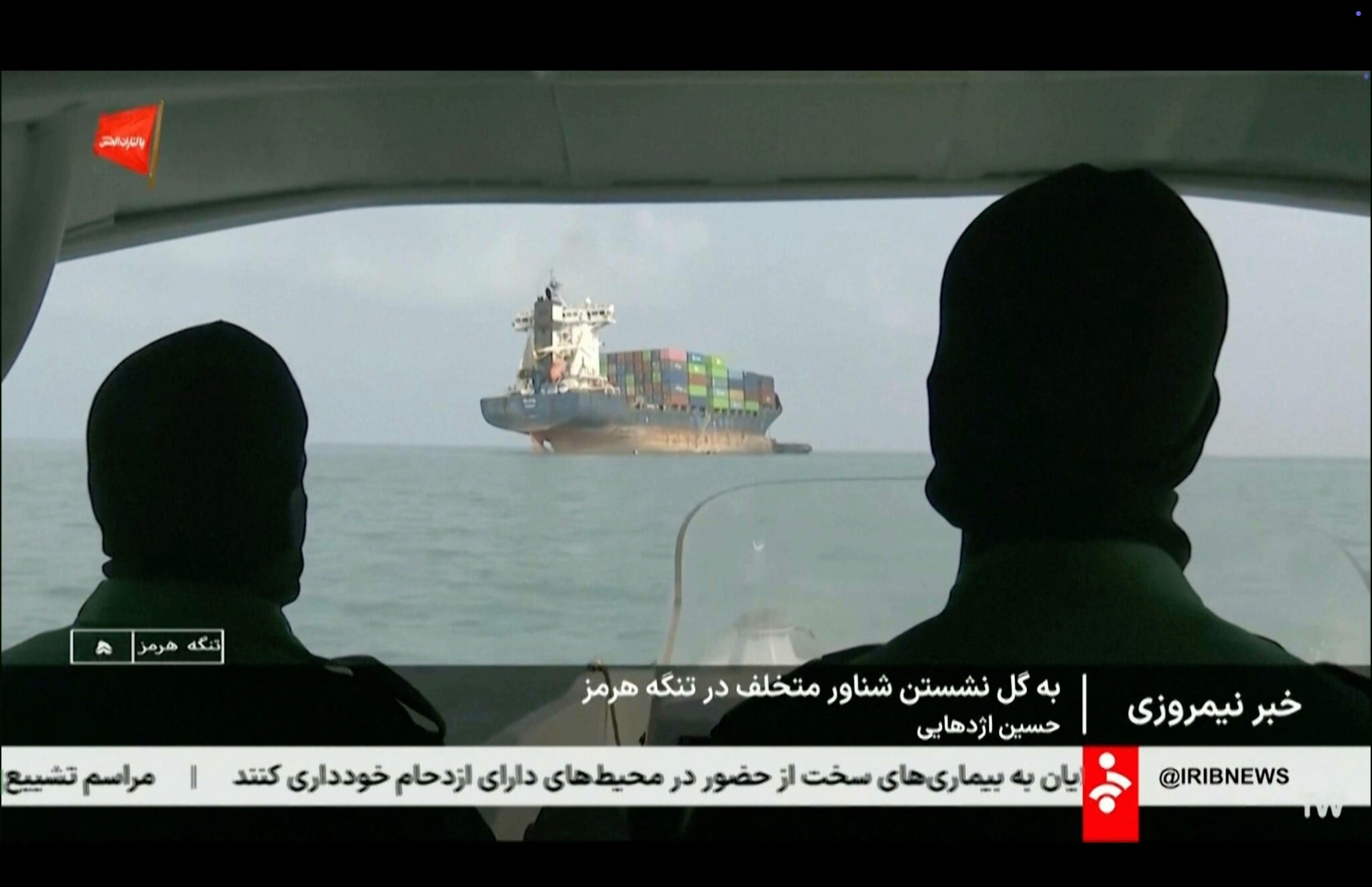
The Strait of Hormuz Remains the Center of the Crisis
The Strait of Hormuz remains one of the world’s most strategically important waterways, carrying roughly one-fifth of global oil and liquefied natural gas shipments.
Recent attacks on tankers and cargo vessels have heightened fears that even isolated incidents could disrupt international trade and send energy prices sharply higher.
The United States argues that international waters must remain open without political conditions or financial demands from Tehran. Iran, meanwhile, maintains that it has security interests in the region and has blamed some recent incidents on rogue elements rather than official government policy.
 In this image made from April 17, 2021, video released by the Islamic Republic of Iran Broadcasting, IRIB, state-run TV, various centrifuge machines line the hall damaged on April 11, 2021, at the Natanz Uranium Enrichment Facility, some 200 miles (322 km) south of the capital Tehran. (IRIB via AP)

Diplomacy Faces Major Obstacles
While both Washington and Tehran have signaled some willingness to continue indirect talks, deep mistrust remains.
Negotiators continue to disagree over:
- Maritime security in the Strait of Hormuz.
- Iran’s nuclear program.
- Regional military activity.
- Economic sanctions.
- Future verification mechanisms.
Officials caution that even if negotiations resume, reaching a comprehensive agreement could take months.
Global Stakes
The outcome of these negotiations extends far beyond the Middle East.
A sustained disruption in the Strait of Hormuz could affect global oil supplies, shipping insurance costs, inflation, and international financial markets. Conversely, a successful diplomatic breakthrough could restore stability to one of the world’s most critical energy corridors.
For now, the guns may have fallen relatively silent—but diplomats are confronting what could become the most difficult phase of the crisis.
⚠️ Implications:
The diplomatic efforts between the United States, Iran, and Qatar carry significant implications for Middle East stability, global energy markets, maritime security, and future U.S.-Iran relations. Here’s a breakdown of the key implications by category:
🌊 1. Security of the Strait of Hormuz
- The U.S. demand that Iran publicly pledge to stop attacking commercial shipping underscores the strategic importance of the Strait of Hormuz, through which roughly one-fifth of the world’s oil supply passes.
- Even with the recent ceasefire holding, shipping companies remain cautious, fearing that renewed attacks could quickly disrupt global trade and energy supplies.
- Any future interference with commercial vessels could trigger another military confrontation and increase tensions across the Gulf.
🔍 Implication: Governments, energy companies, and global shipping firms may strengthen maritime security measures, diversify supply routes, and increase naval cooperation to safeguard one of the world’s most critical trade corridors.
🤝 2. A Crucial Test for Regional Diplomacy
- Qatar’s mediation efforts highlight the country’s growing role as a trusted intermediary between Washington and Tehran during times of crisis.
- The United States’ insistence on a public commitment from Iran before negotiations resume raises the political stakes for both sides.
- If diplomatic talks fail to restart, the fragile ceasefire could unravel, risking another cycle of military escalation.
🧩 Implication: The success or failure of Qatar’s diplomatic efforts could determine whether the region moves toward lasting de-escalation or returns to open conflict.
🇮🇷 3. Mounting Pressure on Iran
- Iran is under increasing international pressure to demonstrate that it will protect freedom of navigation and prevent further attacks on commercial shipping.
- Accepting Washington’s demands could improve diplomatic relations but may be viewed domestically as a political concession.
- Rejecting the conditions could invite additional sanctions, military pressure, and further economic hardship.
⚠️ Implication: Tehran faces the difficult challenge of balancing domestic political interests with the need to avoid greater international isolation and economic consequences.
🇺🇸 4. U.S. Reinforces Freedom of Navigation
- The Trump administration’s demands reinforce America’s long-standing policy that international waterways must remain open without interference, tolls, or coercion.
- Washington continues to signal that diplomacy will be supported by military deterrence if commercial shipping comes under renewed threat.
- Regional allies are expected to maintain close coordination with the United States to ensure maritime security.
🛡️ Implication: The U.S. and its partners may expand naval patrols, intelligence sharing, and joint security operations throughout the Gulf to deter future attacks.
💸 5. Global Energy and Economic Risks
- Continued uncertainty surrounding the Strait of Hormuz keeps global oil and liquefied natural gas markets on edge.
- Even isolated attacks on shipping can increase insurance premiums, transportation costs, and fuel prices worldwide.
- Businesses and financial markets remain highly sensitive to developments in the region.
📉 Implication: Prolonged instability could contribute to higher energy costs, inflationary pressures, and increased volatility across global financial markets.
🌍 6. The Middle East Remains Vulnerable to Renewed Conflict
- Although active fighting has largely subsided, the underlying disputes involving Iran’s nuclear program, regional influence, sanctions, and maritime security remain unresolved.
- A single military incident or diplomatic breakdown could rapidly reverse recent progress toward de-escalation.
- Regional governments continue to support dialogue while preparing for the possibility of renewed hostilities.
🧨 Implication: The current lull in fighting may prove temporary unless both sides achieve a broader diplomatic agreement addressing the root causes of the conflict, making sustained negotiations essential for long-term regional stability.
💬 Overall Takeaway:
Overall Takeaway:
Although the immediate exchange of military strikes has subsided, the crisis between the United States and Iran is far from over. Washington is making it clear that any return to negotiations will require Iran to publicly commit to ending attacks on commercial shipping and respecting freedom of navigation in the Strait of Hormuz. Meanwhile, Qatar and other regional mediators are working urgently to keep diplomatic channels open and prevent another dangerous escalation.
The outcome of these negotiations will have consequences far beyond the Middle East. A successful agreement could restore stability to one of the world’s most important energy corridors, helping calm global markets and reduce the risk of renewed conflict. However, if diplomacy fails, the region could once again face military confrontation, disrupted oil supplies, and heightened geopolitical tensions. For now, the guns may be silent—but the battle at the negotiating table is only beginning.