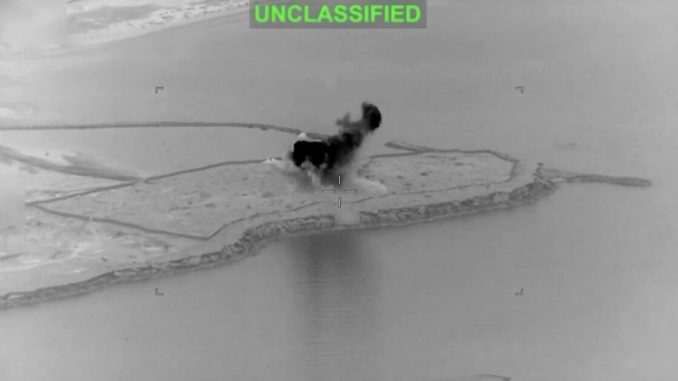
The US and Iran traded missile strikes, with Iran targeting neighboring Gulf countries and shipping in the Strait of Hormuz, on Friday, as negotiations to end the war stall.
Published June 6, 2026
WATCH:
🧩 Reading Between the Lines:
The latest U.S. strikes against Iranian radar installations highlight how quickly tensions in the Persian Gulf can escalate. What began as reports of Iranian drone launches toward the Strait of Hormuz quickly turned into direct military action by the United States, underscoring how sensitive the region remains despite ongoing diplomatic efforts.
Protecting Global Shipping Routes
One major issue is the importance of the Strait of Hormuz to the global economy. The waterway serves as a critical route for oil and commercial shipping. U.S. officials argue that any threat to vessels traveling through the area cannot be ignored because disruptions could affect energy supplies, transportation costs, and markets around the world.
America’s Deterrence Strategy
Another key topic is deterrence. By striking radar installations after the reported drone launches, Washington appears to be signaling that attacks or threats against international shipping will be met with a direct response. Supporters of this approach believe that failing to act could encourage further aggression and increase risks to American forces and allies in the region.
Ongoing Concerns About Iran’s Military Activities
The strikes also draw attention to long-standing concerns about Iran’s missile, drone, and surveillance capabilities. Critics of Tehran argue that these systems have become an increasingly important part of Iran’s strategy for projecting power throughout the Middle East. From this viewpoint, targeting radar and command infrastructure is intended to reduce Iran’s ability to threaten shipping lanes and neighboring countries.
Risk of a Wider Regional Conflict
At the same time, the exchange highlights the danger of escalation. Military actions that begin as limited operations can quickly trigger retaliatory strikes, raising concerns that a localized confrontation could grow into a broader regional conflict involving multiple countries and armed groups.
Energy Markets and Economic Impact
Beyond military considerations, the situation has significant economic implications. Investors and energy markets closely watch developments in the Gulf because even temporary disruptions to shipping traffic can influence oil prices. Higher energy costs can eventually affect consumers through increased transportation, manufacturing, and household expenses.
🔗 The Stakes:
Keeping Vital Trade Routes Open
At the heart of this conflict is the Strait of Hormuz, one of the world’s most important shipping lanes. A large portion of global oil and energy supplies passes through this narrow waterway every day. If military threats disrupt traffic, the effects could be felt far beyond the Middle East through higher fuel prices, increased transportation costs, and rising prices for everyday goods.
Preventing Future Attacks
Many national security advocates argue that responding to drone launches and military threats is necessary to discourage future aggression. The concern is that if hostile actions go unanswered, adversaries may become more willing to challenge U.S. forces, allies, and commercial shipping in the future.
Regional Stability
The situation is also about maintaining stability in a region that has experienced decades of conflict. Supporters of a strong response believe that allowing military threats to grow unchecked can increase the chances of larger wars later. Their view is that addressing dangers early may help prevent more serious confrontations down the road.
Protecting American Interests Abroad
The United States has long maintained a military presence in the Gulf to safeguard trade routes, support allies, and protect its strategic interests. The latest strikes raise broader questions about how America should respond when those interests are challenged and what role it should continue to play in maintaining security in the region.
Avoiding a Costly Wider Conflict
At the same time, there is little public appetite for another prolonged military engagement in the Middle East. Many Americans support actions that protect U.S. personnel and international commerce but remain cautious about any steps that could lead to a larger and more expensive conflict.
🏁 The Final Word:
The U.S. strikes against Iranian radar sites reflect a belief that threats to international shipping and regional stability must be addressed before they grow into something more dangerous. Supporters of this approach argue that maintaining a strong military posture helps protect vital trade routes, deter future attacks, and reassure allies that the United States will defend its interests when challenged. At the same time, most Americans would prefer to avoid another major war, making the challenge one of balancing strength with restraint. As tensions continue, the key question is whether decisive action now can help prevent a larger and more costly conflict later.
SOURCES: THE GATEWAY PUNDIT – Central Command Announces Strikes in Goruk and Qeshm Island After Iranian Drone and Missile Strikes – Iran Threatens to Escalate, Says Negotiations Are “At a Deadlock
REUTERS – US strikes Iranian sites after Iran launches drones, in latest Gulf flare-up
MONEYCONTROL – US-Iran tensions escalate as CENTCOM says military hit radar installations in Goruk, Qeshm Island
HINDUSTAN TIMES – US struck Qeshm Island radar sites in ‘self-defence’ after Tehran’s ‘drone threat’, says CENTCOM