Hundreds of thousands of mourners flooded the streets of Tehran as Iran entered another day of funeral ceremonies for Supreme Leader Ayatollah Ali Khamenei, with chants against the United States and Israel dominating the procession and renewed calls for retaliation following last month’s conflict.
Published July 6, 2026
TEHRAN, Iran — Iran’s capital witnessed one of the largest public gatherings in recent memory as hundreds of thousands of mourners filled the streets for the funeral procession of Ayatollah Ali Khamenei, the country’s longtime Supreme Leader, in a highly symbolic event marked by grief, political messaging, and renewed vows of resistance.
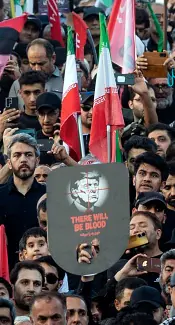
Crowds dressed largely in black stretched across major avenues in Tehran, waving Iranian flags, portraits of Khamenei, and banners condemning the United States and Israel. State media described the funeral as a demonstration of national unity following weeks of heightened regional tensions and the recent conflict between Iran and Israel.
Throughout the procession, chants of “Death to America” and “Death to Israel” echoed through the crowds, while some mourners openly called for revenge against U.S. President Donald Trump, whom many participants blamed for years of escalating tensions between Washington and Tehran. The slogans reflected long-standing political rhetoric frequently heard during official state ceremonies in Iran.
A Funeral With Global Significance
The funeral carried significance well beyond a traditional state ceremony.
Ayatollah Khamenei led Iran for more than three decades, shaping the country’s domestic politics, foreign policy, and regional influence. His death marks the beginning of one of the most consequential political transitions in the history of the Islamic Republic.
Senior government officials, military commanders, members of the Iranian parliament, and religious leaders attended the ceremony, while delegations from several allied countries and regional organizations also paid their respects.
State television provided continuous live coverage, portraying the turnout as evidence of widespread public support for the Islamic Republic.
Calls for Revenge Dominate the Procession
While many mourners gathered to honor Khamenei’s legacy, political slogans quickly became a defining feature of the funeral.
Groups of demonstrators chanted against the United States and Israel, with some demanding retaliation for recent military actions and longstanding disputes between Tehran and Washington.
Several participants told reporters they believed Iran must remain firm against what they described as foreign aggression and outside interference.
Government officials did not announce any new military measures during the funeral, but many speakers emphasized Iran’s commitment to defending its sovereignty and maintaining its regional influence.

Regional Tensions Remain High
The funeral comes only weeks after direct military exchanges between Iran and Israel dramatically increased tensions across the Middle East.
Although an uneasy ceasefire has reduced immediate hostilities, both countries continue accusing each other of destabilizing the region.
Security analysts say the political atmosphere surrounding the funeral demonstrates that underlying tensions remain unresolved despite recent diplomatic efforts.
The transition to new leadership in Tehran is expected to be closely monitored by governments across the region, particularly in Washington, Jerusalem, and Gulf Arab capitals.
A Leadership Transition Begins
Attention is now turning to Iran’s political future.
Under Iran’s constitutional system, the Assembly of Experts will oversee the process of selecting the country’s next Supreme Leader.
Whoever succeeds Khamenei will inherit responsibility for overseeing Iran’s armed forces, foreign policy, nuclear strategy, and broader direction of the Islamic Republic during one of the country’s most challenging geopolitical periods.
Analysts believe the leadership transition will have significant implications for Iran’s relations with the United States, Israel, and neighboring countries.
The World Watches Tehran
Governments around the world continue monitoring developments in Iran as the funeral ceremonies conclude.
Western officials are watching for any signs of changes in Tehran’s foreign policy, while regional allies and rivals alike are assessing how the transition could influence ongoing conflicts and diplomatic negotiations.
For now, the funeral has become more than a farewell to one of Iran’s most influential leaders.
It has also served as a powerful display of the political tensions, ideological divisions, and regional rivalries that continue to shape the Middle East.
As mourners leave Tehran’s streets and Iran prepares for its next chapter, questions remain over whether the country’s new leadership will pursue continuity, confrontation, or a new path in one of the world’s most volatile regions.
 Public / Political Reactions:
🇮🇷 Iranian Government
Iranian officials portrayed the funeral of Ayatollah Ali Khamenei as a powerful demonstration of national unity and loyalty to the Islamic Republic.
- Senior government officials, military commanders, and religious leaders attended the funeral procession in Tehran.
- State media highlighted the massive turnout as evidence of public support for the country’s leadership and its resistance against foreign pressure.
- Officials pledged that Iran would continue defending its sovereignty, regional interests, and the principles established under Khamenei’s leadership.
➡️ Position: The Iranian government says the funeral reflects national solidarity and its determination to continue Khamenei’s political and strategic legacy.
🇺🇸 United States
U.S. officials did not formally respond to chants directed at President Donald Trump during the funeral procession.
- The Trump administration has continued to monitor developments in Iran following Khamenei’s death.
- Washington remains focused on Iran’s nuclear program, regional security, and protecting U.S. personnel and allies in the Middle East.
- American officials are expected to closely observe Iran’s leadership transition and any changes in its foreign policy.
➡️ Position: The United States remains focused on regional stability while monitoring Iran’s political transition and security posture.
🇮🇱 Israeli Government
Israeli leaders continue to closely watch political developments inside Iran.
- Israeli officials have repeatedly described Iran as the country’s primary regional security challenge.
- Jerusalem is expected to closely monitor the selection of Iran’s next Supreme Leader and any changes in Tehran’s military or nuclear policies.
- Israeli defense officials remain on heightened alert following recent regional hostilities.
➡️ Position: Israel views Iran’s leadership transition as a significant regional security development requiring close observation.
🌍 International Community
Governments around the world responded cautiously to the funeral and the beginning of Iran’s leadership transition.
- Several countries offered condolences while emphasizing the importance of maintaining regional stability.
- International analysts noted that the transition could influence diplomacy, security, and nuclear negotiations in the months ahead.
- Foreign governments are expected to closely monitor the Assembly of Experts as it begins the process of selecting Iran’s next Supreme Leader.
➡️ Position: The international community is watching closely for signs of continuity or change in Iran’s domestic and foreign policies.
👥 Public Response
Public reaction inside Iran reflected both mourning and strong political sentiment.
- Hundreds of thousands of mourners participated in funeral ceremonies across Tehran.
- Many attendees carried portraits of Khamenei, Iranian flags, and banners supporting the Islamic Republic.
- Chants directed against the United States and Israel, along with calls for revenge over recent conflicts, received widespread international media attention.
➡️ Position: The funeral became both a national mourning event and a public expression of political solidarity and anti-Western sentiment among many participants.
🏛️ Broader Political Impact
The funeral is expected to shape both Iran’s domestic politics and regional geopolitics.
- Attention is now focused on the Assembly of Experts and the selection of Iran’s next Supreme Leader.
- Analysts believe the transition will significantly influence Iran’s nuclear policy, military strategy, and regional alliances.
- Neighboring countries and global powers are expected to closely monitor the new leadership’s approach toward the United States, Israel, and ongoing Middle East conflicts.
➡️ Position: Khamenei’s funeral marks the beginning of a historic political transition that could reshape Iran’s future and influence security dynamics across the Middle East.
 Resulting Effects:
The funeral of Ayatollah Ali Khamenei has become more than a national day of mourning—it has marked the beginning of a major political transition in Iran while drawing renewed international attention to the country’s relationship with the United States, Israel, and the broader Middle East. The massive public turnout and politically charged atmosphere are expected to influence both domestic politics and regional diplomacy.
1. Iran Enters a Historic Leadership Transition
The death of Ayatollah Khamenei has initiated one of the most significant political transitions since the founding of the Islamic Republic.
🏛️ The Assembly of Experts will begin the constitutional process of selecting Iran’s next Supreme Leader.
📖 The new leader will inherit authority over Iran’s armed forces, foreign policy, nuclear strategy, and key state institutions.
🌍 Governments around the world are closely monitoring the transition for signs of policy continuity or change.
➡️ Result: Khamenei’s death → historic leadership transition with major domestic and international implications.
2. Regional Tensions Remain Elevated
The funeral took place against the backdrop of continuing tensions between Iran, Israel, and the United States.
⚔️ Anti-American and anti-Israeli chants during the procession underscored the deep political divisions that continue to shape the region.
🛡️ Regional governments are expected to remain on heightened security alert while monitoring developments inside Iran.
🌐 Diplomatic efforts to reduce tensions may become more complicated during the leadership transition.
➡️ Result: Politically charged funeral → continued regional uncertainty and heightened security concerns.
3. Increased International Attention on Iran
The transition has intensified global interest in Iran’s future direction.
🌍 Foreign governments are assessing how new leadership may influence Iran’s nuclear program, regional alliances, and foreign policy.
🤝 Diplomats are expected to closely follow statements from senior Iranian officials during the succession process.
📢 International analysts believe upcoming decisions in Tehran could affect broader Middle East stability.
➡️ Result: Leadership succession → greater international diplomatic and intelligence focus on Iran.
4. Domestic Unity Mixed With Political Messaging
The funeral served as both a national memorial and a political demonstration.
🇮🇷 Hundreds of thousands of mourners participated in ceremonies honoring Khamenei.
📺 Iranian state media portrayed the large turnout as evidence of national unity and continued support for the Islamic Republic.
🪧 Political slogans directed against the United States and Israel became a prominent feature of the public gatherings.
➡️ Result: State funeral → reinforced government messaging while showcasing public expressions of loyalty and resistance.
5. Uncertainty Over Iran’s Future Policies
Questions remain regarding how the next Supreme Leader will approach key national and international issues.
☢️ Future policy on Iran’s nuclear program will be closely scrutinized by world powers.
🛡️ Military strategy, regional partnerships, and relations with neighboring countries may evolve under new leadership.
📖 Analysts expect continuity in many core policies but are watching for changes in tone or diplomatic priorities.
➡️ Result: Leadership change → uncertainty surrounding Iran’s future domestic and foreign policy direction.
6. Broader Impact on Middle East Geopolitics
The transition is expected to influence the regional balance of power.
🌐 Allies and adversaries alike are evaluating how the next phase of Iranian leadership could affect ongoing conflicts and diplomatic negotiations.
🤝 Future relations with the United States, Israel, Gulf Arab states, and regional proxy groups will remain under close observation.
📊 Financial markets, energy analysts, and security experts are also monitoring the transition for any impact on regional stability and global oil markets.
➡️ Result: Iran’s political transition → potential long-term effects on Middle East security, diplomacy, and geopolitical stability.
 Future Outlook:
Iran now enters one of the most consequential periods in its modern history following the funeral of Ayatollah Ali Khamenei. As the country prepares to choose a new Supreme Leader, the transition is expected to influence Iran’s domestic politics, foreign policy, military strategy, and relationships with the United States, Israel, and the wider Middle East.
1. Selection of a New Supreme Leader Will Dominate Iranian Politics
The immediate focus will be the constitutional process of choosing Khamenei’s successor.
🏛️ The Assembly of Experts is expected to begin deliberations to appoint Iran’s next Supreme Leader.
📖 The successor will assume authority over the armed forces, judiciary, foreign policy, and Iran’s strategic direction.
⚖️ The selection process is expected to be closely watched both inside Iran and around the world.
➡️ Outlook: Leadership succession → a defining moment that will shape Iran’s future for years to come.
2. Regional Tensions Are Likely to Remain High
Iran’s leadership transition is unlikely to immediately reduce tensions across the Middle East.
⚔️ Relations with Israel and the United States are expected to remain strained following recent military confrontations.
🛡️ Iranian leaders are likely to continue emphasizing national defense, deterrence, and regional influence.
🌍 Neighboring countries will closely monitor any shifts in Tehran’s military or diplomatic posture.
➡️ Outlook: Continued regional rivalries → sustained security concerns across the Middle East.
3. Iran’s Foreign Policy May Show Continuity
While a new Supreme Leader will eventually take office, analysts expect many of Iran’s core strategic policies to remain consistent.
🤝 Tehran is expected to maintain support for its regional allies and existing foreign policy priorities.
☢️ Iran’s nuclear program will likely remain a major point of discussion with Western governments.
📢 Any significant policy changes are expected to develop gradually rather than immediately following the transition.
➡️ Outlook: New leadership → likely continuity in key national security and foreign policy objectives.
4. International Diplomacy Will Intensify
Global powers are expected to increase diplomatic engagement as Iran’s new leadership takes shape.
🌍 The United States, European nations, Russia, China, and regional governments will closely follow developments in Tehran.
🤝 Future diplomatic efforts involving Iran’s nuclear program and regional security may depend on the priorities of the incoming Supreme Leader.
📖 International observers will carefully analyze early speeches, appointments, and policy decisions for signs of change.
➡️ Outlook: Political transition → heightened diplomatic activity and increased global attention.
5. Domestic Stability Will Be Closely Watched
Iranian authorities are expected to prioritize maintaining political stability during the transition.
🏛️ Government institutions and security forces are likely to focus on ensuring an orderly succession process.
📺 State media will continue emphasizing national unity and continuity following Khamenei’s death.
👥 Public reaction during the transition may influence the political atmosphere in the weeks ahead.
➡️ Outlook: Leadership transition → continued efforts to preserve stability and institutional continuity.
6. Long-Term Implications for the Middle East
The outcome of Iran’s leadership transition could shape the region’s geopolitical landscape for years.
🌐 Future relations with the United States, Israel, Gulf Arab states, and neighboring countries will depend partly on the priorities of Iran’s new leadership.
🛡️ Regional security, military cooperation, and diplomatic negotiations are expected to remain closely tied to Tehran’s strategic decisions.
📊 Governments, investors, and security analysts worldwide will continue monitoring developments as Iran enters a new political era.
➡️ Outlook: Iran’s post-Khamenei era → a critical period that may influence Middle East security, diplomacy, and regional stability well into the future.
 Bottom Line:
The funeral of Ayatollah Ali Khamenei marked far more than the farewell to Iran’s longest-serving Supreme Leader—it signaled the beginning of a pivotal new chapter for the Islamic Republic. As hundreds of thousands of mourners filled the streets of Tehran, the ceremony became both a display of national mourning and a powerful political statement, with chants against the United States and Israel underscoring the deep regional tensions that continue to define Iran’s foreign policy.
For Iran, the focus now shifts to the selection of a new Supreme Leader, a decision that will shape the country’s domestic governance, military strategy, nuclear policy, and international relations for years to come. The transition comes at a time of heightened instability across the Middle East, making the choice of Khamenei’s successor one of the most closely watched political developments in the region.
While the funeral demonstrated the Iranian government’s emphasis on unity and continuity, it also highlighted the significant geopolitical challenges awaiting the country’s next leadership. Relations with the United States and Israel remain strained, regional conflicts continue to simmer, and questions surrounding Iran’s nuclear ambitions and broader strategic direction remain unresolved.
Ultimately, the events in Tehran serve as a reminder that the impact of Khamenei’s death extends well beyond Iran’s borders. The decisions made during this historic transition are likely to influence the balance of power in the Middle East, affect international diplomacy, and shape regional security for years to come. As the world watches Iran enter its post-Khamenei era, the stakes—for the country, the region, and the international community—have rarely been higher.
SOURCES: NEWSMAX – Iran Mourners Call for Vengeance on Trump
SOWETAN – Iranian mourners call for vengeance on Trump during Khamenei’s funeral procession