Published May 5, 2026
A new and dangerous alliance between Somali pirates and Iran-backed Houthi militants is raising alarm across global shipping lanes, with reports indicating coordinated attacks targeting one of the world’s most critical oil trade routes.
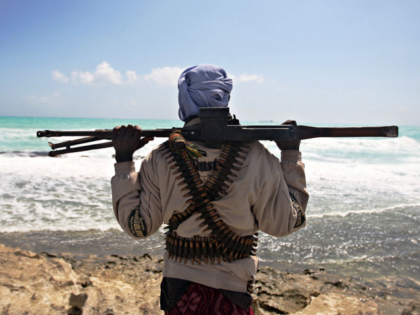
According to security analysts cited in recent reporting, the groups are increasingly working together to disrupt commercial vessels moving through the Red Sea and nearby waters—an area that handles a massive share of global energy supplies. The emerging partnership is being described as a return of old-school piracy tactics, now enhanced with modern surveillance and military-style coordination.
A “Security Vacuum” at Sea
Experts warn that reduced naval focus in certain regions has created what they call a “security vacuum,” allowing pirates and militant groups to operate with greater confidence.
Reports indicate that Somali-based crews are providing fast-attack boats and manpower, while Houthi-linked networks allegedly contribute intelligence, GPS tracking, and broader regional coordination.
The result is a more organized and opportunistic threat—one that is no longer limited to isolated piracy incidents, but potentially coordinated strikes against commercial shipping.

Members of the Puntland Maritime Police Force (PMPF) sit on a speed boat as they patrol the Gulf of Aden waters off the coast of Bosaso in the semi-autonomous region of Puntland, Somalia. (Abdirahman Hussein/Reuters)
Oil Routes Under Pressure
The concern is not just about isolated hijackings. The targeted routes include corridors connected to global oil flows, meaning even a single successful disruption can send shockwaves through energy markets.
Shipping analysts warn that the combination of Red Sea instability and wider Middle East tensions is creating a “perfect storm” for maritime risk, especially as commercial vessels adjust routes due to ongoing regional conflicts.

Somali and Houthi-linked groups are teaming up using skiffs and new tech to strike ships with coordination not seen in a decade. (Jason R. Zalasky/U.S. Navy via Getty Images
Old Tactics, New Tools
What makes the situation more alarming is the evolution of tactics. Once-disorganized pirate groups are now reportedly using improved communication systems, better surveillance, and coordinated timing—making them harder to detect and intercept.
At the same time, militant groups in the region have demonstrated increasing capability to disrupt shipping using drones, missiles, and asymmetric warfare tactics.
Global Stakes Rising Fast
Any sustained disruption could lead to higher fuel prices, shipping delays, and increased insurance costs for commercial carriers worldwide.

The surge in regional piracy risk is exacerbated by the volatility of the Strait of Hormuz as Iranian-backed threats persist in the Persian Gulf and global energy flows are shifting. (Mass Communications Specialist 1st Class Cassandra Thompson/U.S. Navy via Getty Images)
Bigger Picture: A Growing Maritime Flashpoint
While international naval forces continue patrols in the region, analysts say the threat environment is becoming more complex and harder to contain. Instead of a single adversary, shipping lanes now face overlapping risks from piracy networks, militant groups, and regional proxy conflicts.
For global markets and energy security, the message is clear: instability at sea is no longer a distant problem—it is an immediate economic risk.
🔍 Critical View: What This Threat Really Shows
The reported link-up between Somali pirates and Houthi militants is being seen as more than just isolated crime at sea—it reflects deeper problems in how global shipping lanes are being secured and how quickly threats can evolve when enforcement is weak or stretched thin.
Weak enforcement invites bigger risks
Critics argue that piracy doesn’t suddenly return on this scale unless there are gaps in patrols and enforcement. When naval presence is inconsistent or stretched across too many regions, it creates openings that organized groups are quick to exploit.
Old threats, upgraded tactics
What used to be random pirate attacks is now described as more coordinated activity, with better timing, planning, and communication. Critics say this shows how quickly criminal networks can adapt when pressure is reduced.
Too much reliance on reactive responses
Instead of preventing threats early, global security often reacts after attacks begin. Critics argue this cycle—attack, respond, repeat—does little to actually stop the problem from growing.
Cost of protecting global trade
Another concern is who ends up paying to keep major shipping lanes safe. A small number of countries provide most of the naval protection, even though the entire world benefits from these trade routes. Critics say this imbalance is becoming harder to justify.
Energy and trade held hostage by instability
Because these shipping lanes carry massive amounts of oil and goods, even limited disruption can have global consequences. Critics warn that relying on unstable regions for critical trade routes creates constant risk for inflation and supply shocks.
👥 On the Ground: Rising Risk in Key Shipping Waters
Out at sea in the Red Sea and surrounding waters, the situation is tense but active, with commercial ships still moving through—just under much tighter watch than usual. Naval patrols from multiple countries are present, but so are reports of increased small-boat activity and suspicious movements near major shipping lanes.
Heavier naval presence, but constant alert status
Warships are now more visible in key corridors, escorting or shadowing commercial vessels in some areas. The goal on the ground is simple: make sure ships can pass without being targeted, while deterring any coordinated attacks before they happen.
Commercial ships adjusting behavior
Shipping companies are no longer treating the route as routine. Some vessels are slowing down, changing routes, or traveling in groups when possible. Insurance costs have also gone up, reflecting the higher risk level in the region.
Pirates operating with more coordination
Reports from maritime monitoring groups suggest pirate activity is becoming more organized, with faster boats, better timing, and possible coordination across groups. This is different from the older pattern of isolated, opportunistic attacks.
Militants adding pressure in the background
At the same time, Houthi-linked threats in nearby waters add another layer of risk. Even when no attack happens, the presence of missile and drone capabilities changes how commercial ships operate day to day.
Crew awareness and caution increased
Sailors are now operating with higher alert protocols—locking down decks earlier, limiting visibility at night, and staying in close communication with naval escorts or monitoring centers.
🎯 The Final Word:
The growing reports of Somali pirates teaming up with Houthi-linked militants point to a broader and more serious issue in global trade security: key shipping routes are becoming easier targets at a time when the world depends on them more than ever. While naval patrols are still active and commercial traffic continues, the situation shows that maintaining control over these waters is not just about reacting to incidents, but preventing them from happening in the first place.
The concern is that when enforcement is spread thin or inconsistent, smaller threats don’t stay small. They tend to grow, connect, and become more coordinated over time—turning what used to be isolated piracy into a more structured and unpredictable risk for global shipping. Even when attacks are not successful, the constant pressure forces companies to reroute ships, raise insurance costs, and factor in delays, which ultimately gets passed down into higher prices for goods and fuel.
At a larger level, this also raises questions about responsibility. A relatively small number of countries continue to provide most of the naval protection for international trade routes, even though nearly every economy depends on them. Critics argue that this imbalance is becoming harder to sustain, especially as threats become more complex and spread across multiple groups instead of a single enemy.
In simple terms, the situation is no longer just about piracy or regional conflict—it is about the stability of global supply chains. As long as these shipping lanes remain vulnerable, even brief disruptions can ripple outward, affecting energy markets, transportation costs, and everyday prices worldwide. The current response may keep things moving for now, but the underlying risks are clearly not going away, and each new incident adds pressure on a system already operating close to its limits.