Published May 5, 2026
A South Korean-operated vessel was hit by an explosion and fire in the Strait of Hormuz, triggering a new wave of tensions after President Donald Trump directly blamed Iran for what he called an “attack on international shipping.”
The incident, which is now under investigation by Seoul, comes at a volatile moment in the Gulf where U.S. forces are actively working to keep one of the world’s most important oil corridors open. South Korea confirmed the fire aboard the vessel but has not yet officially determined the cause, saying it is reviewing all possibilities.
Trump, however, wasted no time assigning blame.
In public statements and social media posts, he said Iran had “taken shots” at the South Korean cargo ship and other vessels, framing the incident as part of a broader pattern of aggression against commercial shipping in the region.
A Strategic Waterway Under Pressure
The Strait of Hormuz is one of the most critical maritime chokepoints in the world, carrying a significant share of global oil and gas shipments. Any disruption in the area can immediately impact energy markets, driving up fuel costs and raising fears of supply shocks.
The U.S. has recently launched an operation aimed at keeping shipping lanes open, with Trump urging allied nations like South Korea to join the effort and help secure the passage.
The move comes amid reports of escalating maritime incidents, with military escorts, drone threats, and suspected attacks adding to the instability in the region.
South Korea Investigates as Pressure Mounts
Seoul has taken a more cautious stance, confirming the vessel fire but emphasizing that the exact cause remains unknown. Officials have not ruled out an external attack but also noted that mechanical failure is still being considered.
The ship, operated by a South Korean shipping firm, suffered an explosion while transiting the strait, though no casualties have been reported.
South Korean authorities are now working with international partners to determine what happened and whether it was part of a coordinated attack on commercial shipping.
Rising Stakes in a Global Shipping Corridor
The timing of the incident is significant. The Strait of Hormuz handles a major portion of the world’s energy exports, meaning even isolated disruptions can ripple through global oil markets within hours.
With tensions already high between the U.S. and Iran, the attack allegation risks further destabilizing an already fragile situation in the Gulf.
🔍 Critical View:What This Incident Really Reveals
The alleged attack on a South Korean ship in the Strait of Hormuz is being treated as more than just a one-off maritime incident—it raises bigger questions about security, accountability, and how long global shipping can stay this exposed.
Too many attacks, too little deterrence
Critics argue that repeated incidents in the Strait show a pattern: warnings and diplomatic statements haven’t been enough to stop disruptive behavior at sea. When similar events keep happening, it raises questions about whether current deterrence is actually working.
A narrow chokepoint with global consequences
The Strait of Hormuz carries a huge portion of the world’s oil. Critics say it is risky that global energy stability depends so heavily on a single vulnerable waterway where tensions are constant and unpredictable.
Conflicting reports slow down clarity
In cases like this, one side quickly points to blame while official investigations are still ongoing. Critics warn that this gap between political claims and confirmed facts can increase tensions before the full picture is known.
Heavy burden on a few countries
The responsibility of keeping shipping lanes safe often falls on a small number of nations. Critics argue this creates an uneven system where some countries bear most of the cost and risk, while many others rely on the protection without contributing equally.
Markets react faster than facts
Even before investigations finish, oil markets and shipping companies respond immediately. Critics say this shows how fragile the system is—where perception alone can move global prices and disrupt trade.
👥 On the Ground: Tension Builds in the Strait of Hormuz
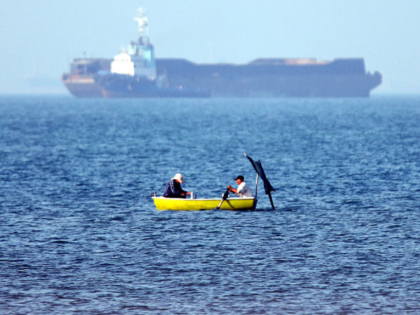
Out in the Strait of Hormuz, the situation is tense but still active, with commercial ships continuing to pass through under close watch from military patrols and security escorts. After reports of an explosion aboard a South Korean vessel, traffic has not stopped—but it has definitely become more cautious.
Ships moving slower and more carefully
Vessels passing through the strait are now operating under tighter security protocols. Some are reducing speed, traveling in coordination with others, and keeping constant communication with naval monitoring centers to reduce risk.
Military presence more visible than usual
Warships from multiple countries are present in the area, keeping watch over shipping lanes. Their role on the ground is mainly deterrence—making sure no further incidents occur while investigations into the recent explosion continue.
Shipping companies on high alert
Operators are treating the situation as a live risk zone. Even without confirmed details about the cause of the ship fire, companies are adjusting routes, increasing insurance coverage, and preparing backup plans in case conditions worsen.
Crew operations under strict safety rules
Inside ships, crews are operating under heightened security procedures—restricting access to open decks, monitoring radar more closely, and staying ready for emergency protocols if needed.
Uncertainty still shaping movement
While no full disruption has occurred, uncertainty is influencing every decision at sea. The lack of clear confirmation about what caused the incident is keeping both commercial and military actors on edge.
🎯 The Final Word:
The reported attack on a South Korean ship in the Strait of Hormuz adds to growing concerns about how unstable and unpredictable this key shipping route has become. Even without full confirmation of responsibility, the reaction alone shows how quickly tensions can rise and affect global energy markets, shipping confidence, and international relations. Critics argue that repeated incidents like this point to a deeper problem: deterrence in the region is not strong or consistent enough to prevent disruptions before they happen. As long as one narrow waterway remains so critical to global oil flow—and so vulnerable to conflict—each new incident risks turning into a wider economic and security headache that reaches far beyond the Middle East.