Published December 22, 2025
In a dramatic escalation of maritime enforcement in the Caribbean, the United States has seized multiple Venezuelan‑linked oil tankers and is pursuing additional vessels it alleges are part of a shadowy “dark fleet” fleet used to evade sanctions, fund narco‑terror networks, and prop up the embattled regime of Venezuelan President Nicolás Maduro.
A Pre‑Dawn Boarding and the Centuries Seizure
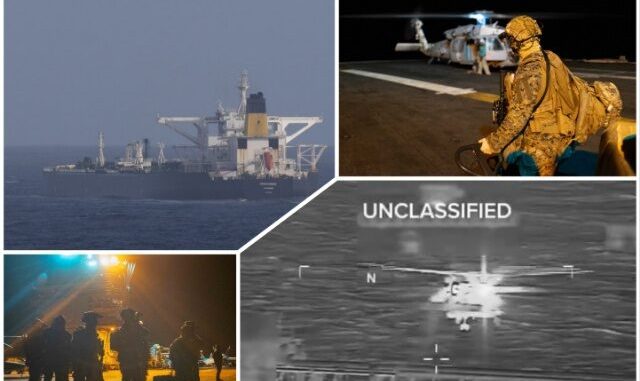
On Dec. 20, 2025, U.S. Coast Guard personnel, working with the Department of Defense, executed a pre‑dawn operation in international waters near Venezuela to seize the Panama‑flagged oil tanker Centuries. A video released by Department of Homeland Security Secretary Kristi Noem showed Coast Guard helicopters landing on the vessel’s deck and U.S. forces taking control. U.S. officials assert the ship was carrying crude oil subject to U.S. sanctions, and accused its operators of helping funnel revenue to criminal and terrorist networks.
The Centuries, reportedly loaded with about 1.8 million barrels of Venezuelan crude, was intercepted in the Caribbean Sea east of Barbados, bound for Asia, according to maritime tracking sources. Officials described it as operating within a “shadow fleet” — a loose network of tankers that obscure their movements and flags to move sanctioned oil around the globe.
Trump’s Blockade and Prior Seizures
This seizure came just days after the U.S. Coast Guard captured another oil tanker in early December — the Skipper, a sanctioned vessel accused of transporting Venezuelan and Iranian crude in violation of U.S. sanctions. That operation, involving Coast Guard and U.S. Marine boarding teams, marked the first known interception of a Venezuelan oil shipment since sanctions on the Venezuelan oil sector were tightened.
Following these actions, President Donald Trump ordered a “total and complete blockade” on all sanctioned oil tankers entering or leaving Venezuelan waters, framing the effort as part of broader pressure on Maduro’s government and its alleged financing of drug trafficking and terrorism.
Pursuit of a Third Tanker: The “Dark Fleet” in Focus
Just one day after the Centuries seizure, U.S. officials confirmed that the Coast Guard was in active pursuit of another oil tanker suspected of sanctions evasion. The vessel — widely reported to be the Bella 1 — is on U.S. sanctions lists and is accused of operating under a false flag to obscure its identity as it moved toward Venezuelan waters.
Officials describe this as the third interdiction attempt in less than two weeks, part of an aggressive strategy to disrupt what Washington calls illegal sanctions evasion networks tied to Venezuela’s most important export: oil.
Venezuela’s Furious Response
The Maduro government has vehemently condemned the U.S. actions, denouncing the tankers’ seizure as “theft and kidnapping” and proclaiming that such moves constitute piracy in violation of international law. Caracas has vowed to take its grievance to international bodies such as the United Nations Security Council, painting the U.S. blockade as an imperialistic attack on Venezuelan sovereignty.
Geopolitical and Economic Ripples
The operations have not only heightened diplomatic tensions but also stirred international ripple effects. China, a major buyer of Venezuelan crude, called the U.S. interception of oil tankers a “serious violation of international law”, underscoring broader geopolitical fault lines over oil markets and sanctions enforcement.
Meanwhile, U.S. officials insist the seizures target criminal networks and illicit revenue streams, not legitimate trade, with White House advisers arguing the actions are meant to choke off financial support for narcotics and terror financing — though critics warn of escalating conflict and legal overreach.
Economists tracking the situation note that while Venezuelan production is already severely depressed due to years of sanctions and mismanagement, further disruption to tanker traffic could tighten crude flows and modestly impact global oil prices.
The Shadow Fleet: A Persistent Challenge
Maritime analysts describe a growing “shadow fleet” of tankers that rely on deceptive tactics — such as switching flags, spoofing tracking systems, and opaque ownership — to move sanctioned crude from Venezuela, Iran, and other sanctioned producers to buyers in Asia and beyond. Efforts to police and interdict these operations have become a focal point of U.S. sanctions enforcement, but also raise questions about sovereignty, international maritime law, and the risk of military escalation.
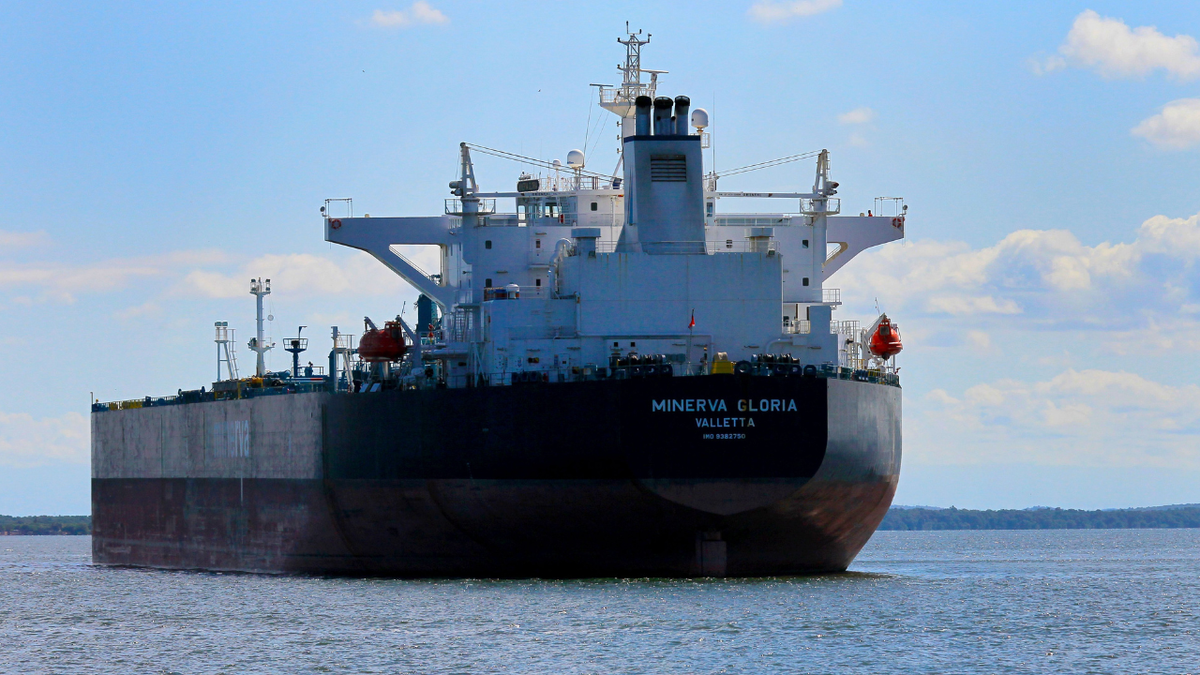
FILE – An oil tanker is seen anchored in Lake Maracaibo, Venezuela after loading crude oil at the Bajo Grande Refinery port. (Jose Bula Urrutia/UCG/Universal Images Group/Getty Images)
 Implications
The recent U.S. seizures of Venezuelan-linked oil tankers carry significant geopolitical, economic, and security implications:
-
Geopolitical Tensions: The interdictions heighten friction between the U.S. and Venezuela, and potentially other nations like China, which have economic stakes in Venezuelan crude. Such actions risk escalating into broader diplomatic disputes or even confrontations in international waters.
-
Sanctions Enforcement Precedent: These operations demonstrate a more assertive U.S. approach to enforcing sanctions at sea. Success may embolden further interdictions, signaling to other sanctioned regimes that attempts to bypass restrictions will be met with direct action.
-
Energy Market Disruptions: By targeting tankers that transport Venezuelan oil, the U.S. adds uncertainty to global crude supplies. While Venezuela’s production is already low, further disruptions could ripple through international oil markets, affecting prices and supply chains.
-
Criminal and Terror Financing: Washington’s strategy directly targets revenue streams that allegedly fund narco-terrorism and illicit networks. If effective, it could weaken the financial operations of these groups, though tracking and enforcement remain challenging given the clandestine nature of the “dark fleet.”
-
Legal and Maritime Precedent: These operations raise complex questions about international maritime law, sovereignty, and the limits of U.S. enforcement. The tension between law enforcement objectives and the risk of being perceived as overreach could have long-term legal and diplomatic consequences.
-
Regional Security Dynamics: The aggressive pursuit of tankers may push Venezuela and allied states to adopt more evasive tactics, such as military escorts, ship flag manipulation, or clandestine shipping, potentially increasing risks of maritime incidents or confrontations.
 Overall Takeaway:
The U.S. seizure of Venezuelan-linked oil tankers underscores the high-stakes intersection of sanctions enforcement, global energy markets, and geopolitical maneuvering. While Washington frames the operations as a necessary effort to curb narco-terror financing and sanctions evasion, the aggressive maritime actions have drawn sharp criticism from Caracas, Beijing, and international observers alike. As the U.S. continues to pursue the so-called “dark fleet,” the delicate balance between law enforcement, international law, and global energy stability remains increasingly fraught, leaving the fate of Venezuelan oil — and the broader geopolitical implications — uncertain.
SOURCES: BREITBART – U.S. Snatches Venezuela Oil Tanker in Dark‑Hour Strike on Narco‑Terror Funding
FOX NEWS – US Coast Guard pursues third ‘dark fleet’ oil tanker as Trump targets Venezuelan sanctions evasion network
DAILYMAIL ONLINE – US Coast Guard in pursuit of oil tanker near Venezuela after crew refuses boarding