Published January 25, 2025
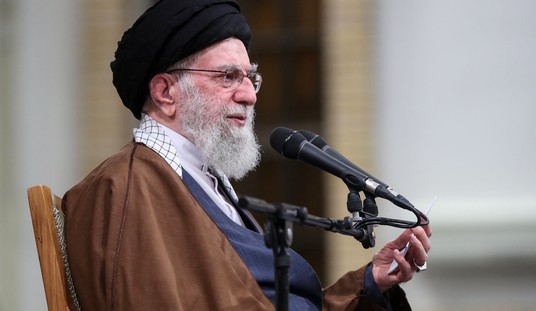
In a dramatic development that underscores rising tensions between Tehran and Washington, multiple reports on Sunday, January 25, 2026 suggest that Iran’s Supreme Leader Ayatollah Ali Khamenei has moved into a fortified underground bunker in Tehran amid heightened concerns over possible U.S. military action.
According to opposition‑linked outlets and international news sources, the underground facility — described as heavily reinforced and connected to a network of tunnels — is being used as a protective shelter for Khamenei while senior Iranian advisers assess what they describe as an increased threat of U.S. airstrikes against Iranian leadership and strategic targets.
What’s Driving the Fears?
The reported relocation comes amid a backdrop of escalating tensions between Iran and the United States. In mid‑2025, the U.S. conducted airstrikes on Iranian nuclear facilities in Fordow, Natanz, and Isfahan, actions announced by then‑President Donald Trump as part of a broader campaign against Iran’s nuclear program and in support of Israel during intense regional clashes.
While Trump and U.S. officials framed these operations as successful efforts to disrupt Iran’s nuclear infrastructure, Iranian authorities insisted that the strikes did not achieve significant damage — particularly at deeply buried sites — and condemned the attacks as provocations with serious consequences.
Recent speculation on potential further military action — including the positioning of U.S. naval forces near the Persian Gulf — has added to anxieties inside the Iranian leadership. Reports say that Tehran’s assessment of these movements contributed to the decision to relocate Khamenei to a more secure location.
Leadership and Communications
According to these reports, Khamenei has reportedly delegated day‑to‑day authority to his son, Masoud Khamenei, who is said to be overseeing routine communication and coordination with other branches of government while the supreme leader remains secluded.
Despite these accounts, there has been no official confirmation from the Iranian government about Khamenei’s exact location or status. Iranian officials have historically been opaque about the supreme leader’s movements, especially during periods of military tension.
Warnings and Retaliation Rhetoric
Separate official statements out of Tehran have emphasized that any attack targeting Khamenei or Iran’s leadership would be considered a declaration of war and could provoke a wide‑ranging response. Iran’s parliament and presidential office have issued stern warnings that even the threat of such action could escalate conflict across the region.
Regional and Domestic Context
The reported bunker move also occurs against the backdrop of internal unrest in Iran, where large‑scale protests over economic hardship and government policies have been met with a harsh crackdown, resulting in thousands of deaths and tens of thousands of arrests.
Whether the reported underground sheltering signals genuine fear of imminent U.S. military strikes — or reflects broader strategic precautions by Iran’s leadership — remains unclear. Analysts caution that vetted intelligence and official confirmations are currently limited.
For now, both Tehran and Washington continue to exchange forceful rhetoric, and regional observers warn that any direct confrontation between the United States and Iran could have profound implications for Middle East stability and global geopolitics.
 Implications of reports that Iran’s Supreme Leader Khamenei is reportedly taking shelter underground amid fears of U.S. airstrikes:
1. Heightened U.S.-Iran Tensions
If reports are accurate, it signals that Iran’s leadership perceives a credible threat from U.S. military action.
-
This could escalate tensions in the Persian Gulf, threatening global oil shipments through the Strait of Hormuz.
-
U.S. allies like Israel may feel emboldened to increase their own military operations or intelligence activity against Iran.
2. Regional Stability at Risk
The Middle East could see a new wave of instability:
-
Neighboring countries (Iraq, Syria, UAE) could be drawn into conflicts or see retaliatory attacks.
-
Proxy groups in Lebanon, Yemen, and Iraq could respond with attacks against U.S. interests or allies in the region.
-
Any confrontation could spark wider wars, directly or indirectly affecting civilians and global markets.
3. Domestic Signals in Iran
Reports of Khamenei sheltering underground may have domestic political and social implications:
-
It could fuel public perception of government vulnerability, potentially encouraging protests or dissent.
-
Conversely, the regime may use this narrative to justify stricter security measures and suppress opposition under the guise of “external threats.”
4. Geopolitical Messaging
Even if Khamenei is not actually hiding, the reports themselves serve as a geopolitical signal:
-
To the world: Iran may appear nervous or vulnerable, affecting its bargaining power in international negotiations (e.g., nuclear talks).
-
To internal factions: Emphasizes the need for loyalty and unity, particularly within the military and political elite.
5. Potential for Miscalculations
-
Rumors and unverified reports can increase the risk of accidental escalation, where a minor incident is interpreted as an act of aggression.
-
Both U.S. and Iran may feel pressure to act preemptively, raising the chances of misjudged strikes or retaliations.
 Overall Takeaway:
The reports of Iran’s Supreme Leader Ayatollah Khamenei taking refuge in underground bunkers underscore the deepening tensions between Tehran and Washington. Whether literal or symbolic, this development reflects a leadership that perceives a real and imminent threat, signaling potential instability both within Iran and across the region.
The implications are serious: from heightened risk of U.S.-Iran confrontation, to regional escalation, to internal political and social pressures in Iran. Even unverified reports carry strategic weight, influencing the decisions of global powers, allies, and adversaries alike.
As the situation develops, the world watches closely, aware that miscalculations or misunderstandings could spark conflict with far-reaching consequences — a stark reminder of the precarious balance in Middle East geopolitics.
SOURCES: REDSTATE – Iran’s Khamenei Reportedly Burrowing Underground in Terror of Trump Airstrikes