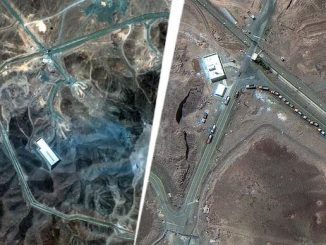
Security experts have issued a stark warning over how Iran can launch devastating attacks on American soil and revealed the exact locations of likely targets.
Published March 13, 2025
U.S. law enforcement and intelligence agencies have issued a warning that the Islamic Republic of Iran may have planned or aspired to carry out a drone attack on the United States homeland, specifically targeting the West Coast, as part of escalating hostilities linked to a broader war involving Iran, the United States, and Israel.
FBI Alert: Limited but Serious Intelligence
In late February 2026, the Federal Bureau of Investigation (FBI) distributed an intelligence alert to police departments in California indicating that Iran had “aspired” to conduct a surprise attack using unmanned aerial vehicles (UAVs) launched from an unidentified vessel off the U.S. West Coast. The bulletin reportedly noted the strike would be in retaliation if the United States initiated military action against Iran, though it lacked concrete details about timing, specific targets, or operational capabilities.
Officials stressed the intelligence was based on a single, unverified tip and did not amount to a confirmed threat. Nevertheless, federal authorities emphasized vigilance, urging local law enforcement to be alert for any suspicious maritime or aerial activity.
White House and State Responses
The White House clarified that the alert was precautionary, based on preliminary and unverified information. Press Secretary Karoline Leavitt stated, “The federal government is taking no chances, but at present there is no confirmed or imminent threat to U.S. soil.”
California Governor Gavin Newsom echoed this assessment, reassuring residents that the alert was meant to help law enforcement prepare, not to suggest an impending attack.
Rising Tensions in the Middle East
The warning coincides with an ongoing conflict that escalated on February 28, 2026, after U.S. and Israeli strikes targeted Iranian military sites. In retaliation, Iran and its proxy forces launched drone and missile attacks against American and allied military facilities in the Middle East, including Kuwait, Bahrain, and Oman.
A particularly deadly incident occurred on March 1 when Iranian drones struck a tactical operations center near Port Shuaiba in Kuwait, killing six American service members and injuring dozens more. Attacks on oil and fuel infrastructure in Oman have added to concerns over regional destabilization and the risk of broader economic repercussions, particularly on global energy markets.
Iran’s Growing Drone Capabilities
Analysts note that Iran’s drone technology has improved rapidly over the past decade. Tehran now possesses a diverse fleet of UAVs, ranging from small reconnaissance drones to larger armed systems capable of reaching distant targets. This capability has been showcased in previous attacks on U.S. forces in Iraq, Syria, and the Gulf region, where drones have been used to test American defenses and demonstrate Iran’s strategic reach.
The alleged plan to strike the U.S. West Coast, even if aspirational and not operationally confirmed, highlights the potential for asymmetrical warfare, where non-traditional weapons like drones could bypass conventional defense systems.
 Implications for U.S. Security and Policy
The FBI alert serves as a clear reminder that America’s adversaries are actively exploring ways to project power directly onto U.S. soil, even if current intelligence does not confirm an imminent attack. This situation underscores several important lessons for policymakers and the public:
-
Strengthen Homeland Defenses – Modern threats like drones, missiles, and unmanned vehicles can bypass traditional military deterrence. Investing in coastal surveillance, early warning systems, and rapid-response capabilities is critical to prevent attacks before they reach American citizens.
-
Maintain Global Military Readiness – The potential for overseas conflicts to spill over into the homeland illustrates the need for a robust and forward-deployed military posture. Ensuring American forces have the ability to respond decisively in regions of strategic importance deters adversaries from attempting strikes.
-
Prioritize Intelligence and Vigilance – Even a single unverified tip can provide a warning that allows law enforcement and defense agencies to preemptively prepare for asymmetric attacks. Continuous investment in intelligence gathering and inter-agency coordination is vital to stay ahead of evolving threats.
-
Demonstrate Resolve Abroad and at Home – Adversaries often test the United States by probing vulnerabilities. A measured but firm posture—through both military and diplomatic channels—signals that attacks on Americans or U.S. territory will carry serious consequences.
-
Public Awareness and Preparedness – While there is no confirmed attack, educating the public on safety measures and situational awareness ensures communities are resilient in the face of emerging threats.
In essence, the alert is more than a cautionary note—it is a call to action for America to maintain vigilance, strengthen defenses, and uphold the strategic and moral resolve that protects its citizens and global interests. Threats may evolve, but preparation, intelligence, and decisive action remain the most effective deterrents.
 Overall Takeaway:
The FBI alert regarding a potential Iranian drone attack, even if unverified, highlights the evolving nature of threats facing the United States. Modern adversaries are no longer constrained by geography, and advances in technology have made it possible for distant powers to target American citizens and critical infrastructure in ways previously unthinkable.
This situation reinforces the importance of vigilance, intelligence, and decisive action—both at home and abroad. Maintaining strong defenses, investing in advanced surveillance and rapid-response capabilities, and demonstrating unwavering resolve are essential to deter adversaries and protect American lives.
Ultimately, preparedness is the best safeguard. By staying alert, reinforcing security measures, and confronting threats proactively, the United States ensures that it remains resilient against attempts to challenge its safety, sovereignty, and way of life. The message is clear: while threats may arise, a nation that acts decisively, values security, and upholds its principles will remain unshaken.
SOURCES: DAILYMAIL ONLINE – How Iran can bring the war to US soil in just days: See all the key targets MAPPED after terrifying California drone attack warning
DAILY SUN – FBI warns Iran aspired to attack California with drones in retaliation for war: Alert
REUTERS – FBI alert on possible Iran retaliation based on unverified tip, White House says