Reported by:

Cherry Meigh Timbol
News Content Editor
Published August 4 , 2026
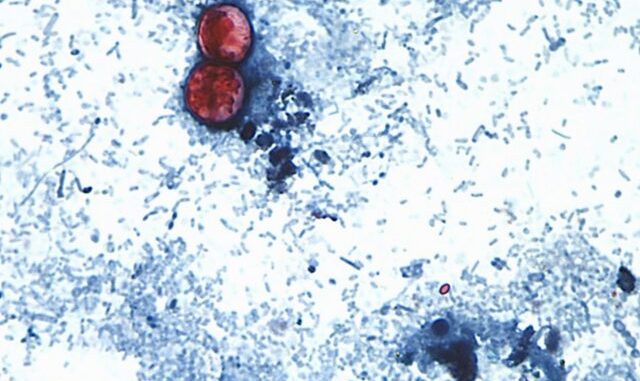
Michigan health officials have reported the first two U.S. deaths linked to a diarrhea-causing parasite, as a Cyclospora outbreak raises concerns about food safety and public health monitoring.
The cases were identified in Michigan, where authorities confirmed that the fatalities were associated with infections caused by Cyclospora, a microscopic parasite that spreads through contaminated food or water. Health experts note that while infections are often treatable, severe cases can pose serious risks, particularly for vulnerable individuals.
Cyclospora Outbreak Under Investigation
Public health officials are actively investigating the source of the outbreak, focusing on potential links to fresh produce. Cyclospora infections are commonly associated with contaminated fruits and vegetables, especially those consumed raw.
Authorities are working to trace supply chains and identify specific food items that may have carried the parasite. The outbreak has affected multiple individuals, with symptoms ranging from prolonged diarrhea to fatigue, nausea, and dehydration.
Health Risks and Symptoms Highlighted
Medical experts warn that Cyclospora infections can last for weeks if untreated. Symptoms typically include watery diarrhea, loss of appetite, weight loss, and stomach cramps. While most healthy individuals recover with proper treatment, complications can arise in older adults and those with weakened immune systems.
Doctors emphasize the importance of early diagnosis and treatment using appropriate antibiotics, which can significantly reduce the duration and severity of the illness.
Public Health Response Intensifies
State and federal health agencies are coordinating efforts to contain the outbreak and prevent further cases. This includes public advisories on proper food handling, washing produce thoroughly, and maintaining hygiene during food preparation.
Officials are also urging healthcare providers to remain vigilant and report suspected cases promptly to help track the spread of the parasite.
Food Safety Concerns Resurface
The outbreak has renewed concerns about food safety practices, particularly in the handling and distribution of fresh produce. Experts stress that Cyclospora cannot be eliminated by routine washing alone, making contamination during farming or processing a critical issue.
Consumers are encouraged to stay informed about recalls or advisories related to potentially contaminated food products.
👥 Public / Political Reactions:
🇺🇸 United States
U.S. health authorities have confirmed the first deaths linked to a Cyclospora outbreak, raising concerns over foodborne illnesses and public health safety.
- The Centers for Disease Control and Prevention (CDC) is monitoring the outbreak and coordinating with state health agencies.
- Officials emphasized that Cyclospora infections are preventable and treatable when detected early.
- Federal and state agencies are working to trace the contaminated food source.
➡️ Position: The United States is prioritizing outbreak investigation, public awareness, and food safety measures to prevent further fatalities.
🏥 Michigan Health Officials
Michigan authorities reported the first confirmed deaths associated with the Cyclospora parasite in the United States.
- State health departments are leading investigations into the source of contamination.
- Officials have linked cases to potential exposure through fresh produce.
- Local agencies are urging residents to seek medical attention if symptoms appear.
➡️ Position: Michigan officials are focused on containment, source tracing, and protecting public health at the state level.
🌍 International Health Community
Global health experts are closely observing the outbreak as Cyclospora cases occasionally emerge in multiple countries.
- Specialists highlight that the parasite is commonly spread through contaminated food and water.
- International health bodies stress improved monitoring of agricultural and food distribution systems.
- Experts warn that global food supply chains increase the risk of cross-border outbreaks.
➡️ Position: The international health community is emphasizing stronger food safety standards and global cooperation.
👥 Public Response
Public reaction has been driven by concern over food safety and the risks of contaminated produce.
- Consumers are becoming more cautious about washing and preparing fresh fruits and vegetables.
- Awareness of foodborne parasites has increased following reports of the deaths.
- Many individuals are seeking information on symptoms and prevention.
➡️ Position: Public sentiment reflects heightened concern and increased vigilance regarding food consumption and hygiene.
🏛️ Broader Impact
The outbreak has renewed attention on food safety systems and public health preparedness in the United States.
- The incident highlights vulnerabilities in the handling and distribution of fresh produce.
- It may prompt stricter regulations and inspections within the food industry.
- Health authorities are likely to increase surveillance for similar outbreaks nationwide.
➡️ Position: The Cyclospora outbreak is being viewed as a critical reminder of the importance of food safety, early detection, and coordinated public health response.
⚠️ Resulting Effects:
The Cyclospora outbreak in Michigan, which led to the first reported U.S. deaths linked to the parasite, has created significant public health, food safety, and regulatory concerns. As authorities investigate the source, the incident highlights vulnerabilities in food supply systems and the importance of early detection and response.
1. Increased Public Health Concerns
The outbreak has heightened awareness about foodborne illnesses across the United States.
⚠️ Public health agencies are urging vigilance for symptoms such as prolonged diarrhea and dehydration.
🏥 Hospitals and clinics are monitoring and treating suspected cases more actively.
📢 Health advisories have been issued to inform the public about prevention and early treatment.
➡️ Result: Cyclospora outbreak → increased nationwide public health alert and awareness.
2. Food Safety Risks and Supply Chain Scrutiny
The incident has raised concerns about contamination in fresh produce and distribution systems.
🥗 Fresh fruits and vegetables are under investigation as potential sources of infection.
🚜 Contamination may occur during farming, harvesting, or processing stages.
🔍 Authorities are tracing supply chains to identify affected products.
➡️ Result: Contaminated food risk → tighter scrutiny of agricultural and distribution practices.
3. Pressure on Health Agencies and Monitoring Systems
The outbreak has placed additional responsibility on public health agencies to respond quickly.
🏛️ State and federal agencies are coordinating outbreak investigations and reporting.
📊 Surveillance systems are being used to track new infections and trends.
🧪 Laboratories are working to confirm diagnoses and identify links between cases.
➡️ Result: Rising cases → increased pressure on health monitoring and response systems.
4. Consumer Behavior Changes
Public concern is influencing how consumers approach food preparation and safety.
🧼 Individuals are more cautious about washing and handling produce.
🛒 Consumers may avoid certain foods linked to outbreaks.
📚 Increased demand for information on foodborne illnesses and prevention methods.
➡️ Result: Health concerns → more cautious consumer habits and awareness.
5. Potential Regulatory and Industry Impact
The outbreak may lead to stronger food safety regulations and enforcement.
📜 Authorities could introduce stricter guidelines for produce safety and inspections.
🏭 Food suppliers and distributors may face increased compliance requirements.
⚖️ Investigations could result in recalls or penalties if violations are found.
➡️ Result: Safety concerns → possible tightening of food industry regulations.
6. Risk to Vulnerable Populations
Certain groups face greater health risks from Cyclospora infections.
👵 Older adults and individuals with weakened immune systems are more susceptible to severe illness.
🏥 Complications can lead to prolonged recovery or hospitalization.
⚠️ Fatal outcomes, though rare, highlight the seriousness of the infection.
➡️ Result: Vulnerable groups → higher risk of severe illness and complications.
7. Long-Term Public Health Implications
The outbreak may influence how similar cases are handled in the future.
🔎 Increased focus on early detection and rapid response strategies.
🌐 Greater emphasis on improving food safety systems nationwide.
📈 Lessons learned may strengthen preparedness for future outbreaks.
➡️ Result: Cyclospora outbreak → lasting impact on food safety policies and public health preparedness.
🔮 Future Outlook:
The Cyclospora outbreak in Michigan, which resulted in the first reported U.S. deaths linked to the parasite, is expected to remain a significant public health concern as investigations continue. While most infections are treatable, ongoing efforts to identify the contamination source and strengthen food safety systems will shape the response in the coming months.
1. Source Investigation Will Continue
Authorities are expected to intensify efforts to identify the origin of the outbreak.
🔍 Health officials will continue tracing food supply chains linked to infected individuals.
🥗 Fresh produce remains a primary focus as a potential source of contamination.
🧪 Laboratory testing and case tracking will play a key role in confirming links.
➡️ Outlook: Ongoing investigation → clearer identification of contamination source, but challenges may persist.
2. Food Safety Measures May Be Strengthened
The outbreak could lead to improvements in food handling and agricultural practices.
📜 Regulators may introduce stricter guidelines for produce safety and sanitation.
🚜 Farms and distributors may adopt enhanced monitoring and hygiene protocols.
🏭 Food industry stakeholders could face tighter inspections and compliance requirements.
➡️ Outlook: Increased safety measures → reduced risk of future outbreaks, but higher regulatory pressure.
3. Public Awareness Will Continue to Grow
Consumer awareness about foodborne illnesses is expected to remain elevated.
📢 Health campaigns may focus on proper food handling and symptom recognition.
🧼 Individuals are likely to maintain cautious habits when preparing fresh produce.
📚 Educational efforts could expand to prevent similar infections.
➡️ Outlook: Greater awareness → improved prevention but continued public concern.
4. Surveillance and Reporting Will Expand
Health agencies are likely to strengthen monitoring systems for early detection. 📊 Enhanced surveillance may help identify outbreaks more quickly.
🏥 Healthcare providers may be encouraged to report suspected cases promptly.
🌐 Data sharing between state and federal agencies could improve response coordination.
➡️ Outlook: Improved monitoring → faster response to outbreaks and better containment.
5. Risks to Vulnerable Groups Will Remain a Priority
Protecting high-risk populations will continue to be a focus.
👵 Older adults and immunocompromised individuals may require closer medical attention.
🏥 Hospitals may implement targeted care strategies for severe cases.
⚠️ Public health messaging will emphasize early treatment for at-risk groups.
➡️ Outlook: Continued risk → targeted protection efforts for vulnerable populations.
6. Potential for Multi-State Impact
The outbreak could extend beyond Michigan if linked food products are widely distributed.
🚛 Contaminated produce may have reached multiple regions through supply chains.
🌍 Other states may report additional cases as investigations progress.
📈 Broader spread could increase the scale of public health response.
➡️ Outlook: Possible spread → need for nationwide vigilance and coordination.
7. Long-Term Public Health Preparedness
The incident may influence how future foodborne outbreaks are managed.
🔎 Lessons learned could improve rapid response and containment strategies.
📋 Policies may evolve to strengthen food safety oversight nationwide.
🛡️ Public health systems may enhance preparedness for similar parasitic outbreaks.
➡️ Outlook: Future readiness → stronger systems for preventing and managing foodborne illnesses.
🧩 Bottom Line:
The Cyclospora outbreak in Michigan has entered a critical public health phase following the first reported U.S. deaths linked to the parasite. The situation highlights growing concerns over food safety, contamination risks in fresh produce, and the effectiveness of outbreak detection and response systems.
🇺🇸 U.S. health authorities are intensifying efforts to trace the source of contamination while monitoring cases and issuing public health advisories to prevent further spread.
🏥 Michigan officials are leading investigations on the ground, confirming fatalities and urging residents to seek early treatment for symptoms associated with Cyclospora infection.
🌍 Health experts and the international community are emphasizing the need for stronger food safety practices and improved monitoring of global supply chains to prevent similar outbreaks.
👥 The public is becoming more cautious about food handling and consumption, with increased awareness of the risks linked to contaminated produce.
➡️ Bottom Line: The Cyclospora outbreak underscores the importance of rapid response, strong food safety systems, and public awareness in preventing foodborne illnesses. While most infections are treatable, the confirmed deaths highlight the potential severity of such outbreaks, making continued investigation, vigilance, and preventive measures essential.
SOURCES: BREITBART NEWS – Michigan Reports the First 2 U.S. Deaths Related to a Diarrhea-Causing Parasite
AP NEWS – Michigan Reports the First 2 U.S. Deaths Related to a Diarrhea-Causing Parasite