Citizenship and Immigration Services officers detained a man believed to be committing immigration fraud. (USCIS)
Reported by:

Cherry Meigh Timbol
News Content Editor
Published August 5 , 2026
WASHINGTON, D.C. — The U.S. Department of Justice under President Donald Trump has launched what officials describe as the largest denaturalization effort in American history, signaling a major escalation in immigration enforcement targeting naturalized citizens.
According to administration officials, the initiative focuses on individuals who allegedly obtained U.S. citizenship through fraud, misrepresentation, or by concealing serious criminal activity. Authorities say the effort is only in its early stages, with more cases expected to be filed in federal courts across the country in the coming months.
The Department of Justice has already begun pursuing legal action against multiple individuals, with cases involving allegations ranging from immigration fraud to more serious offenses such as human rights violations and national security concerns. Officials argue that revoking citizenship in such cases is necessary to preserve the integrity of the naturalization process.
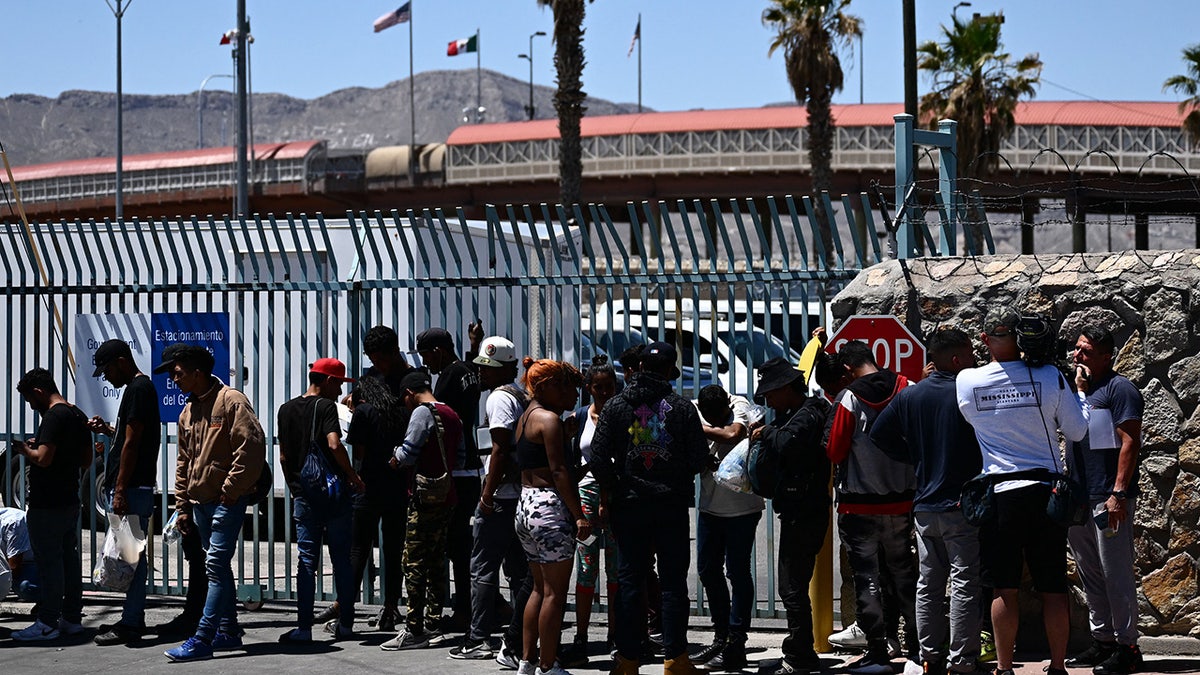 Migrants wait in line to turn themselves in for processing to U.S. Customs and Border Protection border patrol agents near the Paso del Norte Port of Entry after crossing the US-Mexico border in El Paso, Texas, on May 9, 2023. (PATRICK T. FALLON/AFP via Getty Images)
“This is about enforcing the law and ensuring that citizenship is not granted under false pretenses,” officials indicated, emphasizing that denaturalization applies only in cases where evidence supports claims of wrongdoing during the naturalization process.
However, the scale of the effort has raised concerns among legal experts and advocacy groups. Critics warn that expanding denaturalization could create fear among immigrant communities and potentially lead to broader interpretations of what qualifies as fraud or misrepresentation.
Historically, denaturalization has been relatively rare and typically reserved for extreme cases such as war crimes or terrorism-related offenses. The current initiative marks a significant shift toward wider enforcement, reflecting the administration’s broader stance on immigration and national security.
As the policy moves forward, legal challenges are expected to test the limits of the government’s authority, with courts playing a crucial role in determining how far the effort can go.
👥 Public / Political Reactions:
🇺🇸 United States (Trump Administration)
The Trump administration has framed the denaturalization push as a major step in enforcing immigration law and protecting national security.
- Officials say the effort targets individuals who obtained citizenship through fraud or by concealing serious crimes.
- The Department of Justice has described the initiative as the largest of its kind in U.S. history.
- Authorities signaled that more cases will be pursued as part of a broader enforcement strategy.
➡️ Position: Strong enforcement to protect the integrity of U.S. citizenship.
⚖️ Department of Justice
The DOJ is leading the legal effort to revoke citizenship in cases involving alleged wrongdoing during naturalization.
- Federal prosecutors are filing cases in multiple courts across the country.
- Cases include allegations such as fraud, human rights violations, and security-related offenses.
- Officials are coordinating with immigration agencies to identify potential targets.
➡️ Position: Expanding legal action to address unlawful naturalization.
🏛️ Political and Legal Critics
Critics have raised concerns about the scope and implications of the policy.
- Some warn that the initiative could be applied too broadly.
- Legal experts highlight the importance of due process and strict evidence standards.
- Advocacy groups fear increased uncertainty among naturalized citizens.
➡️ Position: Concern over potential overreach and civil rights impact.
🌍 International and Policy Observers
Global observers are closely monitoring the development as part of U.S. immigration policy shifts.
- Experts note that denaturalization has historically been rare.
- The move may influence international views on citizenship policies.
- Analysts highlight possible human rights and diplomatic implications.
➡️ Position: Seen as a significant shift in immigration enforcement approach.
👥 Public Response
Public reaction remains divided across political and social lines.
- Supporters argue the policy targets individuals who violated the law.
- Opponents express concern about fairness and potential misuse.
- The issue has intensified debate over immigration and citizenship rights.
➡️ Position: Public opinion remains polarized on enforcement and fairness.
⚠️ Resulting Effects:
The launch of the largest denaturalization effort in U.S. history is already reshaping immigration enforcement, legal systems, and public perception, with both immediate and long-term consequences.
1. Surge in Denaturalization Cases
The number of cases seeking to revoke citizenship is rapidly increasing.
- Federal courts are seeing a rise in filings related to citizenship revocation.
- Prosecutors are prioritizing cases involving fraud and serious criminal allegations.
- More individuals are being investigated based on past naturalization records.
➡️ Result: Increased case volume leads to heavier pressure on the legal system.
2. Expanded Immigration Enforcement
The initiative strengthens broader immigration enforcement policies.
- Authorities are reviewing historical citizenship approvals more aggressively.
- Coordination between federal agencies has intensified.
- Enforcement priorities now include post-naturalization investigations.
➡️ Result: Stronger enforcement results in wider government oversight.
*3. Legal Challenges and Court Battles*
The policy is expected to face significant legal scrutiny.
- Courts will examine the limits of denaturalization authority.
- Civil rights groups may file challenges against the policy.
- Legal standards for evidence and due process will be tested.
➡️ Result: Increased enforcement leads to more legal disputes and precedent-setting rulings.
4. Impact on Naturalized Citizens
The move is creating uncertainty among immigrant communities.
- Some naturalized citizens fear possible review of their status.
- Advocacy groups are increasing legal awareness efforts.
- Communities are closely monitoring government actions.
➡️ Result: Policy expansion creates anxiety and caution among affected groups.
5. Political and Social Division
The issue is intensifying political debate in the United States.
- Leaders are using the policy to support opposing viewpoints.
- Public discussions focus on security versus civil liberties.
- The topic is becoming central in political discourse.
➡️ Result: Policy implementation increases political polarization.
6. Administrative and Resource Strain
The expansion requires significant government resources.
- Legal teams and investigators are being allocated to handle cases.
- Courts may face backlog due to increased filings.
- Agencies must manage both new and ongoing investigations.
➡️ Result: Higher workload leads to institutional strain.
7. International Attention and Policy Impact
The move is drawing attention from global observers.
- Other countries may evaluate their own citizenship policies.
- Human rights concerns are being raised internationally.
- The policy could influence global immigration enforcement trends.
➡️ Result: Domestic policy creates international scrutiny and influence.
🔮 Future Outlook:
The large-scale denaturalization initiative is expected to remain a key part of U.S. immigration enforcement, with courts, policymakers, and communities closely watching how it develops and how far it expands.
1. Continued Expansion of Cases
The number of denaturalization filings is likely to increase in the coming months.
- Federal agencies are expected to review more historical naturalization records.
- Prosecutors may prioritize high-profile or serious cases.
- Additional waves of cases could be filed nationwide.
➡️ Outlook: Ongoing expansion leads to more citizenship challenges.
2. Greater Role of the Courts
The judicial system will play a central role in shaping the policy’s limits.
- Judges will determine how laws on denaturalization are applied.
- Key rulings could establish long-term legal precedents.
- Appeals may prolong cases and increase scrutiny.
➡️ Outlook: Court decisions define the future scope of enforcement.
*3. Intensifying Political Debate*
Immigration policy will remain a major political issue.
- Lawmakers may propose new laws or reforms related to citizenship.
- Political divisions over enforcement and civil liberties will continue.
- The issue may influence future elections and policy agendas.
➡️ Outlook: Political conflict continues around immigration enforcement.
4. Impact on Immigration Policy Direction
The initiative may shape the long-term direction of U.S. immigration policy.
- Enforcement-based approaches could become more prominent.
- Future administrations may expand or scale back the effort.
- Policy shifts could affect how citizenship is granted and reviewed.
➡️ Outlook: Long-term policy direction may evolve based on outcomes.
5. Effects on Immigrant Communities
Naturalized citizens and immigrant groups will continue monitoring developments.
- Awareness of legal rights and documentation may increase.
- Advocacy efforts may expand to provide legal support.
- Community response may influence public discourse.
➡️ Outlook: Ongoing concern leads to increased awareness and engagement.
6. International and Diplomatic Reactions
Global observers are expected to keep monitoring the policy.
- Other countries may reassess their citizenship and immigration policies.
- Human rights organizations may continue raising concerns.
- Diplomatic discussions could include immigration-related issues.
➡️ Outlook: Continued global attention on U.S. citizenship policies.
7. Long-Term Legal and Social Impact
The policy could have lasting effects on law and society.
- Legal precedents may shape future denaturalization cases.
- Public perception of citizenship security may change.
- The balance between security and rights will remain a key issue.
➡️ Outlook: Long-term impact depends on legal rulings and policy direction.
🧩 Bottom Line:
The large-scale denaturalization effort marks a significant escalation in U.S. immigration enforcement, focusing on revoking citizenship from individuals accused of fraud, misrepresentation, or serious criminal offenses. While authorities present it as a move to protect the integrity of the naturalization system, the scope and scale of the initiative have raised broader concerns about its long-term implications.
🏛️ U.S. government officials have emphasized that the effort targets unlawful or fraudulent citizenship cases and is part of a wider push to strengthen immigration enforcement. Agencies are expected to expand investigations, review past naturalization records, and pursue legal action where evidence supports revocation.
⚖️ Legal experts and civil rights advocates warn that the initiative could test the limits of due process protections. Concerns center on how cases are selected, the burden of proof required, and whether individuals will have adequate legal defense as proceedings increase nationwide.
📄 Immigration attorneys and advocacy groups are preparing for a rise in legal challenges, offering guidance to affected individuals while closely monitoring how courts interpret and apply denaturalization laws. The outcome of these cases could establish important legal precedents.
🌍 The implications extend beyond the United States. The policy has drawn international attention, raising questions about citizenship security, legal protections, and how similar measures might be considered or viewed in other countries.
➡️ Bottom Line: The denaturalization push underscores a tightening approach to immigration enforcement, but its lasting impact will depend on legal rulings, enforcement practices, and public response. As the process unfolds, it is likely to shape future debates over citizenship, rights, and the balance between national security and civil liberties.
SOURCES: THE GATEWAY PUNDIT – ‘Largest Denaturalization Surge in Recorded History’ Underway as Trump Admin Begins Booting Criminal Citizens
FOX NEWS – Trump DOJ unleashes largest denaturalization effort in department history — and says it’s ‘only the beginning’