Reported by:

Cherry Meigh Timbol
News Content Editor
Published August 2 , 2026
👥 Public / Political Reactions:
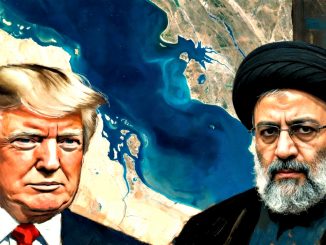
President Donald Trump’s decision to suspend planned U.S. strikes on Iran has drawn mixed reactions from political leaders, regional governments, and the international community. While many welcomed the opportunity for diplomacy, others cautioned that tensions remain dangerously high and that the crisis could quickly escalate if negotiations fail.
🇺🇸 Trump Administration
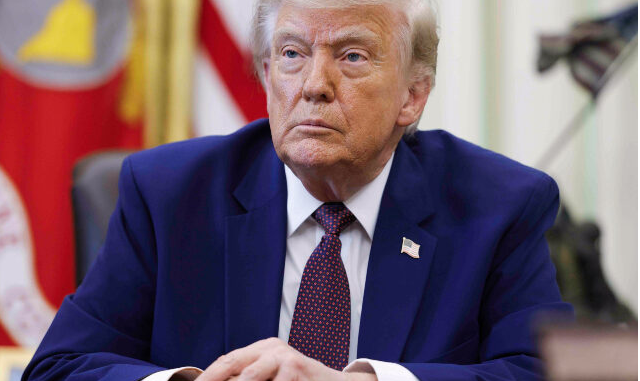
President Donald Trump said he halted the planned military operation after Iran and several regional partners requested additional time for diplomatic talks. He described the move as an opportunity to pursue a peaceful resolution while emphasizing that the United States remains prepared to take military action if diplomacy proves unsuccessful. U.S. officials also continued urging American citizens in parts of the Middle East to remain vigilant amid ongoing security concerns.
🇮🇷 Iranian Government
Iran welcomed the pause in military action but reiterated that it remains fully prepared to defend itself against any future attack. Iranian officials warned that renewed U.S. or Israeli strikes would prompt swift retaliation, including potential attacks on regional energy infrastructure and strategic interests. Tehran also maintained that its nuclear program is intended for peaceful purposes and rejected allegations that it is seeking to develop nuclear weapons.
🇮🇱 Israeli Government
Israeli officials have continued expressing concern over Iran’s nuclear activities and regional influence while supporting efforts to prevent Tehran from acquiring nuclear weapons. According to President Trump, Israel agreed to temporarily refrain from further military action while diplomatic discussions proceed, although Israeli leaders continue to emphasize their readiness to act if they perceive an imminent threat.
🌍 Regional and International Community
Several Middle Eastern governments welcomed the opportunity for renewed diplomacy, recognizing that another military confrontation could further destabilize the region. International organizations and foreign governments also encouraged continued negotiations, urging all parties to exercise restraint and avoid actions that could trigger a broader conflict.
⚖️ Security and Energy Analysts
Foreign policy and energy experts cautioned that although the suspension of planned strikes has reduced immediate tensions, the underlying disputes over Iran’s nuclear program, regional security, and freedom of navigation through the Strait of Hormuz remain unresolved. Analysts warn that any breakdown in negotiations could rapidly reignite military escalation with significant global economic and security consequences.
⚠️ Resulting Effects:
President Donald Trump’s decision to suspend planned U.S. strikes on Iran has temporarily reduced the immediate risk of a wider regional conflict, but the crisis continues to have significant political, military, and economic implications. While diplomacy has gained a brief opportunity to advance, governments across the Middle East remain on heightened alert amid persistent uncertainty.
🚨 1. Immediate Military Escalation Has Been Temporarily Averted
Trump’s decision to pause the planned strikes has eased fears of an imminent military confrontation between the United States and Iran. The move has created a narrow diplomatic window for negotiations while preventing what many feared could become a broader regional conflict.
🕊️ Effect: Diplomatic efforts have been given additional time, although military forces across the region remain prepared should talks fail.
🛡️ 2. Regional Security Forces Remain on High Alert
Despite the suspension of military action, governments throughout the Middle East continue strengthening security around military bases, diplomatic missions, and critical infrastructure. U.S. embassies have also maintained heightened security advisories for American citizens in the region.
⚠️ Effect: Security conditions remain fragile, with authorities preparing for the possibility of renewed tensions or retaliatory actions.
⛽ 3. Global Energy Markets Continue Facing Uncertainty
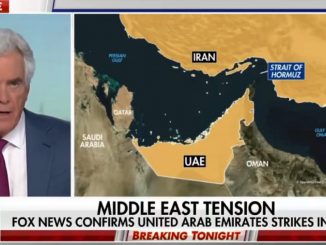
Iran’s warning that future attacks could target regional energy infrastructure has kept international energy markets on edge. The Strait of Hormuz remains a critical concern due to its importance to global oil shipments.
🌍 Effect: Oil prices and global energy markets may continue experiencing volatility as investors monitor diplomatic developments and regional security risks.
🤝 4. Diplomacy Has Regained Momentum
The postponement of military action has reopened diplomatic channels involving the United States, Iran, and regional partners. Negotiators are expected to continue discussions aimed at reducing tensions and addressing concerns over Iran’s nuclear program.
📄 Effect: The success or failure of these negotiations could determine whether the region moves toward de-escalation or renewed confrontation.
🏛️ 5. U.S. Foreign Policy Faces Increased Scrutiny
Trump’s decision has intensified debate over Washington’s approach toward Iran, balancing military deterrence with diplomatic engagement. Lawmakers and foreign policy observers continue evaluating the administration’s strategy as developments unfold.
🇺🇸 Effect: Future U.S. decisions regarding sanctions, military deployments, and negotiations are likely to remain central to international discussions on Middle East security.
📈 6. The Risk of Renewed Conflict Remains High
Although immediate military action has been delayed, the fundamental disputes surrounding Iran’s nuclear activities, regional influence, and security concerns remain unresolved. Both sides continue maintaining military readiness while monitoring the progress of diplomatic talks.
🧭 Effect: Unless meaningful agreements are reached, the Middle East could quickly return to a period of heightened confrontation, with significant consequences for regional stability and the global economy.
🔮 Future Outlook:
President Donald Trump’s decision to suspend planned U.S. strikes has created a temporary diplomatic opening, but the underlying tensions between the United States, Iran, and Israel remain unresolved. As negotiations continue alongside ongoing military preparedness, the coming weeks are likely to determine whether the region moves toward de-escalation or another dangerous confrontation.
🇺🇸 1. The United States Will Continue Balancing Diplomacy and Military Pressure
The Trump administration is expected to continue pursuing diplomatic discussions while keeping military options available if negotiations fail. Washington is likely to closely monitor Iran’s actions and maintain a strong military presence in the region.
🏛️ Outlook: U.S. policy will likely continue combining diplomatic engagement with military deterrence as officials seek to prevent further escalation.
🇮🇷 2. Iran Is Expected to Maintain a Strong Defensive Posture
Iran has indicated that it remains prepared to respond to any future military action while participating in diplomatic efforts. Tehran is also expected to continue emphasizing its right to pursue what it describes as a peaceful nuclear program.
⚠️ Outlook: Iran is likely to remain on heightened military alert while carefully weighing its response to future developments in negotiations.
🇮🇱 3. Israel Will Continue Monitoring Iran’s Nuclear Activities
Israeli leaders are expected to maintain close surveillance of Iran’s nuclear and military programs while coordinating with the United States and regional partners. Although Israel has reportedly agreed to pause further military action during diplomatic talks, it continues to view Iran’s nuclear ambitions as a major security concern.
🛡️ Outlook: Israel is likely to remain prepared for rapid military action if it believes diplomatic efforts fail to address perceived security threats.
🌍 4. Diplomatic Negotiations Will Face Significant Challenges
The proposed diplomatic framework involving Iran, the United States, and regional mediators is expected to undergo intensive negotiations. However, longstanding disagreements over Iran’s nuclear program, sanctions, and regional influence remain difficult obstacles.
🤝 Outlook: Any meaningful breakthrough will require sustained dialogue and compromise, while setbacks could quickly reignite military tensions.
⛽ 5. Global Energy Markets Will Continue Monitoring the Strait of Hormuz
International markets are expected to remain sensitive to developments in the Gulf, particularly any threats to shipping through the Strait of Hormuz or attacks on regional energy infrastructure.
📈 Outlook: Continued uncertainty could contribute to fluctuations in oil prices and broader concerns about global energy security until regional tensions significantly ease.
🕊️ 6. The Risk of Renewed Escalation Will Persist
Although the immediate threat of U.S. military action has diminished, both sides continue maintaining military readiness, and the issues driving the crisis remain unresolved.
🧭 Outlook: Unless diplomacy produces lasting agreements, the Middle East is likely to remain in a fragile state where a single incident or failed negotiation could rapidly trigger another period of military escalation.
🧩 Bottom Line:
SOURCES: BREITBART NEWS – Mideast on Brink: Trump May Order Fresh Strikes on Iran, Tehran Warns ‘We Are Ready,’ U.S. Embassies Urge Departures
RAPPLER – Trump says he will hold off on fresh Iran attack in hope of quick deal
JAPAN TIMES – Trump says he will hold off on fresh Iran attack in hope of quick deal