Published April 7, 2026
The world is holding its breath as reports indicate that the United States and Iran may finalize a deal tonight, bringing a potential end to weeks of high-stakes negotiations that have kept global leaders, energy markets, and military strategists on edge.
This is not just another diplomatic milestone—it is a pivotal moment that could reshape geopolitics in the Middle East, stabilize volatile oil markets, or, if talks collapse, trigger unprecedented escalation.
The Countdown to a Decision
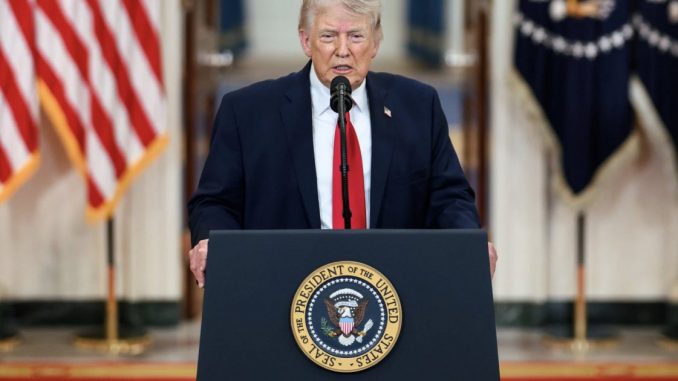
The urgency surrounding tonight’s negotiations comes amid an unusually tight deadline imposed by Donald Trump, who warned in stark terms that failure to reach an agreement could have catastrophic consequences.
In a statement widely circulated across news outlets, Trump cautioned that “a whole civilization will die tonight” if Iran does not finalize a deal, highlighting the gravity of the standoff.
The statement, dramatic even by modern standards, underscores the stakes: the negotiation is not simply about easing diplomatic tension but about controlling the potential for large-scale conflict in a region critical to global energy and security interests.
Negotiation Dynamics: Bridging Deep Divides
Behind the scenes, diplomats have been working feverishly to bridge decades of mistrust between Washington and Tehran. Reports indicate that both sides have been willing to compromise on certain terms—but key sticking points remain:
- Strait of Hormuz Access – Iran has agreed to discussions about reopening or securing safe passage through this vital maritime chokepoint, which handles roughly 20% of the world’s oil supply. (nypost.com)
- Military De-escalation – The U.S. seeks guarantees that Iran will refrain from escalating regional conflicts, particularly in Iraq, Syria, and Yemen.
- Ceasefire and Enforcement Mechanisms – Both sides are negotiating mechanisms to monitor compliance, a critical step to ensure the agreement is more than a temporary reprieve.
- Economic and Sanctions Considerations – There may be discussions on targeted sanctions relief, but these will be heavily contingent on verifiable compliance from Iran.
While progress has been reported, it is unclear whether all issues have been fully resolved. Sources suggest that negotiators have been working through the night to reach a final understanding before the deadline expires.
Military Pressure as a Negotiation Lever
Diplomacy has not occurred in a vacuum. Over the past week, the U.S. has launched targeted strikes on key Iranian infrastructure, including Kharg Island, which is crucial for Iran’s oil exports.
These strikes are interpreted by analysts as both a warning and a bargaining tool, designed to demonstrate U.S. capability and resolve while pushing Iran toward compromise.
Iran, in turn, has responded with heightened rhetoric and threats of retaliation, though official statements also indicate a willingness to negotiate under certain conditions. This combination of pressure and diplomacy illustrates a classic brinkmanship scenario, where each side tests the limits of the other before the final agreement.
Global Implications of a Deal—or Failure
The potential consequences of tonight’s negotiations cannot be overstated:
If a Deal Is Reached
- Immediate de-escalation of military tension in the Persian Gulf.
- Stabilization of energy markets, with oil prices likely to moderate from recent spikes.
- A possible foundation for longer-term diplomatic engagement, potentially reducing regional instability.
If Talks Collapse
- Heightened risk of large-scale military conflict.
- Disruption of global oil supply, causing surges in prices and potential energy shortages.
- A regional arms race or proxy conflicts, drawing in multiple Middle Eastern nations.
Markets have already responded to the uncertainty: Dow futures fell sharply, while oil prices surged amid fears of conflict escalation.
WATCH:
A Historical Context
U.S.–Iran relations have been fraught for decades. Since the 1979 Iranian Revolution, attempts at rapprochement have been complicated by:
- Hostage crises and diplomatic breakdowns
- Iran’s nuclear ambitions
- Proxy wars across the Middle East
Past agreements, such as the 2015 nuclear deal, have shown that progress is possible—but fragile. Both nations have historically reverted to suspicion and hardline stances when negotiations stall. Tonight’s talks are therefore not just a test of diplomacy, but of political will and credibility.
The Human and Strategic Stakes
Beyond economics and geopolitics, the lives of millions in the region hang in the balance. Conflict could displace thousands, exacerbate humanitarian crises, and destabilize neighboring countries.
At the same time, global powers, including Europe, Russia, and China, are watching closely, each weighing their own strategic calculations. A deal or a failure will ripple far beyond the Gulf, influencing alliances, trade, and military strategy for years to come.
🔍 Critical View: U.S.–Iran Deal on the Brink – Risks and Realities
As the United States and Iran reportedly move toward finalizing a deal tonight, the world watches with anticipation. While diplomacy offers the promise of avoiding immediate conflict, it is essential to critically examine the stakes, potential pitfalls, and lessons from past negotiations. This is not merely a question of process—it is about national security, credibility, and the long-term implications of high-stakes diplomacy with a nation that has repeatedly defied U.S. interests.
1. National Security at Risk
The foremost concern is America’s security and the security of its allies. Iran has a documented history of supporting terrorist organizations, developing missile technology, and destabilizing the Middle East through proxy wars. Any deal that appears to offer concessions without clear enforcement mechanisms raises the possibility that Iran could continue these activities while enjoying relief from international pressure.
The potential reopening of the Strait of Hormuz, a critical chokepoint for global energy supplies, is particularly sensitive. While securing safe passage is desirable, trusting Tehran to comply without immediate, verifiable safeguards could create new vulnerabilities.
2. Credibility and Enforcement Challenges
Past agreements with Iran, most notably the 2015 nuclear deal, have demonstrated the difficulty of ensuring compliance from Tehran. Loopholes, delayed inspections, and ambiguous language allowed Iran to continue activities contrary to U.S. interests.
Critically, any rushed deal tonight risks repeating these mistakes. Without robust verification mechanisms and enforceable consequences, the agreement may offer a short-term reprieve but fail to prevent long-term threats. Leadership credibility is at stake; showing weakness or over-eagerness could embolden Tehran and other adversaries globally.
3. Diplomatic Pressure vs. Military Leverage
The current approach combines diplomacy with clear military warnings, including strikes on Kharg Island and explicit deadlines. This dual strategy is essential, but it also carries risk: blurring the line between negotiation and coercion could escalate tensions if not managed carefully.
A critical view emphasizes that while diplomacy is preferable, the leverage of force must remain credible. Concessions without demonstrable enforcement reduce leverage, potentially undermining not only U.S. objectives but regional stability.
4. Economic and Global Implications
A rushed or poorly structured deal could also have serious economic consequences. Oil markets are already sensitive to Middle East tensions, and any uncertainty regarding the Strait of Hormuz or Iran’s energy exports could cause price spikes, affecting U.S. consumers and global markets alike.
Moreover, any perception of a weak negotiating position can reverberate across international trade and alliances, signaling to other nations that threats or brinkmanship are effective tools in extracting concessions.
5. Lessons from History
History repeatedly shows that Iran tests limits and takes advantage of ambiguity. From nuclear negotiations to regional interventions, Tehran has often responded to perceived weakness with bold actions. A deal without rigorous safeguards risks being another chapter in this pattern.
A critical perspective insists that long-term security and strategic clarity must outweigh short-term optics or political expediency. Diplomacy should secure verifiable outcomes, not just headlines.
👥 On the Ground: The U.S.–Iran Deal and the Stakes in the Region
As reports surface that the United States and Iran may finalize a deal tonight, the situation is tense not just in Washington but on the ground in the Middle East. While negotiators work behind closed doors, the realities in the region tell a different story: threats remain, military readiness is high, and civilians live with the constant shadow of conflict. Understanding the situation on the ground is essential to evaluating the risks and implications of any agreement.
1. Military Presence and Readiness
Across the Persian Gulf and neighboring countries, U.S. forces are on heightened alert. Strategic bases in Qatar, Bahrain, and Kuwait are monitoring Iranian activity, while the Navy maintains a strong presence in the Strait of Hormuz.
Iran, meanwhile, has mobilized missile batteries, naval patrols, and proxy militias across Iraq, Syria, and Yemen. This is not a region where intentions can be assumed; even minor incidents can quickly escalate into major conflict. Any deal must account for the immediate security realities, not just diplomatic promises.
2. Civilian Risk and Human Impact
On the streets of cities like Tehran, Basra, and Baghdad, ordinary citizens experience the consequences of brinkmanship. Fear of strikes, energy shortages, and economic uncertainty affects daily life.
Even if a deal is reached, the civilian population remains vulnerable. Without enforceable terms and rapid stabilization measures, relief for ordinary people may be limited, and the humanitarian situation could worsen if tensions flare again.
3. Regional Allies and Strategic Coordination
U.S. allies in the region—Saudi Arabia, Israel, and the United Arab Emirates—are watching closely. Any perceived weakness or compromise could undermine confidence in American commitments, affecting long-term alliances and coordination.
A robust agreement must not only address Tehran’s behavior but also reassure allies that the U.S. remains a reliable partner in security and deterrence.
4. Economic Pressure and Energy Security
On the ground, disruptions to shipping, ports, and oil production are immediate concerns. Kharg Island, a key oil terminal, has already been targeted in recent strikes. Delays or uncertainty in the Strait of Hormuz could send global oil prices soaring, affecting not only the U.S. but economies worldwide.
The stakes on the ground are therefore as much economic as they are military. Energy stability is critical to regional and global security, and any deal must include enforceable commitments to maintain open shipping lanes and protect oil infrastructure.
5. The Reality of Trust and Compliance
Experience shows that Iran’s behavior often diverges from its public statements. On the ground, military and intelligence personnel see patterns of testing limits and exploiting ambiguities in agreements.
A deal that does not include clear verification, inspection rights, and immediate consequences for violations risks being another episode in a cycle of false assurances and renewed tension.
🎯 The Final Word: Ground Truth Matters
While diplomacy may succeed tonight, the on-the-ground realities in the Middle East demand scrutiny and accountability. Military readiness, civilian safety, allied confidence, energy security, and compliance verification are not abstract concerns—they are immediate, measurable realities.
Any agreement must reflect not only what is promised on paper but what is observed and enforced on the ground. Without this, even a signed deal could fail to prevent conflict, leaving the region—and the world—vulnerable to escalation.
In matters of security, strength and vigilance cannot be compromised for the sake of optics or expediency. The ground will reveal whether tonight’s deal is a true step toward peace or a temporary pause before the next crisis.
SOURCES: THE GATEWAY PUNDIT – UPDATE: US and Iran Reportedly to Close a Deal Tonight