US hits dozens of targets in ‘heavy wave’ of strikes against Iran: CENTCOMABCNews.com
Published July 30 , 2026
WASHINGTON, D.C. / TEHRAN — The United States launched a broad wave of airstrikes against military targets in Iran after what U.S. officials described as an attempted Iranian missile attack on American forces stationed in Jordan, marking one of the most significant escalations in the ongoing regional conflict.
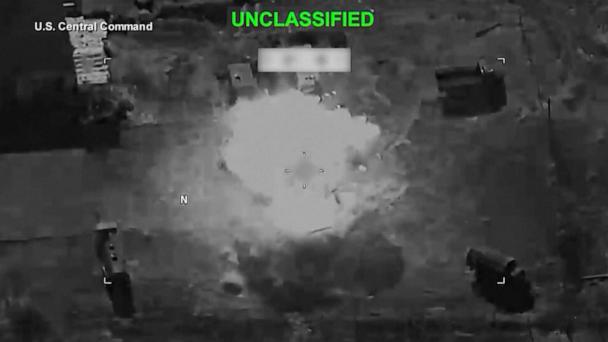
The strikes, carried out by U.S. Central Command (CENTCOM), targeted dozens of facilities associated with Iran’s Islamic Revolutionary Guard Corps (IRGC), including command centers, missile launch sites, drone infrastructure, coastal defense systems, and surveillance facilities. President Donald Trump said the operation was a direct response to what Washington characterized as an attempted surprise attack on U.S. personnel in the Middle East.
![]()
 Map shows U.S. bases and assets in the Mideast. (Fox News)
Retaliation Following Missile Attack
According to U.S. military officials, Iranian forces launched ballistic missiles toward military installations used by American forces in Jordan. U.S. and allied air defense systems intercepted the incoming missiles, preventing significant casualties.
CENTCOM said the subsequent operation lasted approximately two hours and was intended to degrade Iran’s military capabilities while demonstrating that attacks against U.S. personnel would draw a decisive response.
Iran Condemns the U.S. Operation
Iranian officials condemned the American strikes, accusing Washington of escalating the conflict and violating Iranian sovereignty.
Tehran has maintained that its military actions were directed at U.S. military installations rather than civilians and warned that further attacks could trigger additional responses. Iranian state media also reported casualties and damage at several locations struck during the operation.
![]()
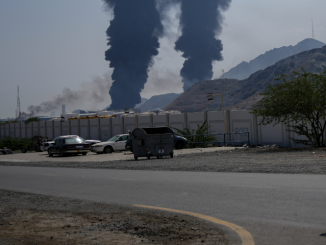
 Based on the latest targets, Iran has been signaling that it is prepared to damage water, energy and transport infrastructure elsewhere in the region, a senior UN official explained. (European Union/Copernicus Sentinel-2/Handout via Reuters )
Regional Tensions Continue to Rise
The latest exchange comes amid an increasingly volatile security environment across the Middle East, where hostilities involving Iran, the United States, Israel, and Iran-backed armed groups have intensified in recent weeks.
Military analysts warn that continued retaliatory strikes increase the risk of a broader regional conflict involving multiple countries and armed factions. Neighboring states have strengthened security around military bases and critical infrastructure as concerns over additional missile and drone attacks persist.
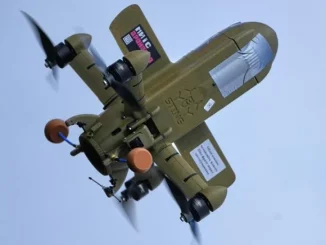
 Marandi claimed that the IRCG introduced a new missile to the war. (Morteza Nikoubazl/NurPhoto via Getty Images)
Domestic Pressure Inside Iran
The military escalation coincides with continued reports of anti-government demonstrations in parts of Iran, where some protesters have called for political reforms and an end to clerical rule.
While Iranian authorities continue to maintain control over the country’s security apparatus, observers say the combination of external military pressure and internal unrest presents an increasingly complex challenge for Tehran’s leadership. Independent verification of protest activity remains difficult because of restrictions on information and internet access.
![]()
 President Donald Trump monitors U.S. military operations in Iran following an Israeli strike in Tehran Feb. 28, 2026. (@WhiteHouse/X)
International Concern Grows
Governments across the region and international observers have renewed calls for restraint, warning that continued military exchanges could further destabilize the Middle East, threaten global energy supplies, and complicate diplomatic efforts aimed at reducing tensions.
Despite the latest escalation, diplomatic channels between regional and international actors remain active, though prospects for an immediate de-escalation remain uncertain.
👥 Public / Political Reactions:
The U.S. strikes against Iran have triggered strong reactions from American officials, Iranian leaders, regional governments, and the international community, with supporters describing the operation as a necessary act of defense while critics warn it could push the Middle East closer to a wider conflict. The strikes followed a failed Iranian missile attack targeting U.S. forces in Jordan, according to American officials.
🇺🇸 United States
U.S. officials defended the military action as a response to attacks against American personnel and regional security interests.
- President Donald Trump said the strikes were necessary after Iran’s missile attack on U.S. forces and warned that further aggression would face additional consequences.
- The Pentagon and U.S. Central Command said the operation targeted Iranian military infrastructure, including missile, drone, command, and surveillance facilities.
- Administration officials emphasized that the goal was to weaken Iran’s ability to launch future attacks rather than begin a broader war.
➡️ Position: The United States says the strikes were a defensive response designed to protect American troops and deter future Iranian attacks.
🇮🇷 Iran
Iran condemned the U.S. operation and accused Washington of escalating regional instability.
- Iranian officials described the strikes as an act of aggression against Iranian territory.
- Tehran warned that continued American military action could trigger further retaliation.
- Iranian authorities have indicated that their response will depend on future U.S. actions and the scale of damage caused by the strikes.
➡️ Position: Iran rejects the U.S. justification and says it reserves the right to respond to what it considers an attack on its sovereignty.
🇯🇴 Jordan
Jordan became a central focus of the crisis after Iranian missiles targeted areas involving U.S. forces.
- Jordanian authorities reported intercepting incoming missiles and worked with American forces to defend against the attack.
- Officials stressed the importance of protecting Jordanian territory from becoming a battlefield between larger powers.
- The government continues monitoring security risks as tensions remain elevated.
➡️ Position: Jordan is focused on territorial security and preventing further escalation from spreading into the kingdom.
🇮🇱 Israel
Israeli officials closely followed the confrontation as tensions with Iran remain high.
- Israeli leaders have continued warning that Iran’s military capabilities represent a regional threat.
- The latest escalation has reinforced Israeli concerns about Iranian missile and drone capabilities.
- Officials are expected to coordinate closely with Washington on regional security developments.
➡️ Position: Israel views Iran’s military expansion as a major security challenge and supports efforts to limit Tehran’s capabilities.
🌍 International Community
Governments and international organizations expressed concern over the possibility of a wider regional conflict.
- Diplomatic officials urged restraint from both Washington and Tehran.
- Countries in the Gulf region are monitoring potential risks to energy infrastructure and shipping routes.
- International observers warned that continued retaliation could draw additional countries into the conflict.
➡️ Position: The international community is calling for de-escalation while warning that continued strikes could destabilize the broader Middle East.
👥 Public Response
Public reaction has been divided in the United States, Iran, and across the region.
- Supporters of the strikes argue that governments have a responsibility to defend military personnel from attacks.
- Critics warn that military escalation could lead to a prolonged conflict with significant civilian and economic consequences.
- Iranian protesters and opposition groups have continued expressing anger toward Tehran’s leadership, adding another layer of pressure on the Iranian government.
➡️ Position: Public opinion remains divided between support for military deterrence and concern over the risks of a wider war.
🏛️ Broader Political Impact
The latest confrontation has increased pressure on leaders in Washington and Tehran.
- U.S. officials face questions over how far military action should go and whether diplomacy remains possible.
- Iranian leaders must balance responding to external pressure while managing internal political challenges.
- Regional governments are reassessing security plans as fears of further attacks grow.
➡️ Position: The strikes have intensified geopolitical tensions and placed renewed focus on whether diplomacy can prevent a larger Middle East conflict.
⚠️ Resulting Effects:
The U.S. strikes against Iran have significantly increased tensions across the Middle East, creating new military, political, and economic risks. While Washington says the operation was intended to prevent further attacks against American forces, Tehran has warned of possible retaliation, raising concerns that the confrontation could expand beyond a single exchange.
1. Risk of Iranian Retaliation Increases
The strikes have heightened concerns that Iran or allied armed groups may respond.
🚀 Iranian forces or affiliated groups could target U.S. military bases, regional partners, or American interests in the Middle East.
🛡️ U.S. forces are expected to increase security measures and strengthen air defense systems.
⚠️ Intelligence agencies are monitoring for possible missile, drone, or proxy attacks.
➡️ Result: U.S. strikes → increased risk of retaliatory attacks and further military escalation.
2. Middle East Security Situation Becomes More Volatile
The confrontation has added another layer of instability to an already tense region.
🌍 Countries across the Gulf and surrounding areas are increasing security preparations.
✈️ Military forces are monitoring airspace and potential threats from missile and drone activity.
⚔️ Iran-backed groups may become more active as tensions between Washington and Tehran rise.
➡️ Result: Direct U.S.-Iran confrontation → greater regional security concerns.
3. U.S.-Iran Relations Deteriorate Further
The strikes have deepened the hostility between Washington and Tehran.
🇺🇸 The United States maintains that military action was necessary to protect its personnel.
🇮🇷 Iran has accused Washington of aggression and violating its sovereignty.
🤝 Diplomatic engagement between the two governments faces additional obstacles.
➡️ Result: Military escalation → further decline in U.S.-Iran relations.
4. Pressure Increases on Iran’s Leadership
The combination of external military pressure and internal unrest presents new challenges for Tehran.
🏛️ Iranian leaders face criticism over security decisions and the country’s international isolation.
👥 Anti-government protesters may use the crisis to intensify demands for political change.
⚖️ Authorities must balance responding to foreign pressure while maintaining domestic control.
➡️ Result: External conflict and internal unrest → increased pressure on Iran’s government.
5. Global Energy Markets Face New Uncertainty
The confrontation has raised concerns about possible effects on energy supplies.
🛢️ Investors are watching developments involving Persian Gulf security and oil infrastructure.
🚢 Any disruption to shipping routes could affect international trade and energy markets.
📈 Oil prices may remain sensitive to further military developments.
➡️ Result: Rising tensions → increased uncertainty for global energy markets.
6. Regional Allies Strengthen Military Readiness
Countries aligned with the United States are expected to review their security posture.
🛡️ U.S. partners may increase protection around military facilities and critical infrastructure.
📡 Intelligence-sharing among allies could expand.
🚨 Governments are preparing for possible follow-up attacks.
➡️ Result: Escalation risk → stronger regional security coordination.
7. Diplomatic Efforts Face Greater Challenges
The latest strikes make negotiations more difficult.
🤝 International mediators may attempt to prevent further military exchanges.
🌍 Countries continue calling for restraint and renewed dialogue.
🕊️ Avoiding a wider conflict will depend on whether both sides choose deterrence over additional escalation.
➡️ Result: Military confrontation → greater challenges for diplomatic solutions.
8. Possibility of a Wider Regional Conflict Remains
The biggest concern is whether the confrontation expands beyond U.S. and Iranian forces.
⚠️ Additional attacks could draw in more regional actors.
🌐 Iran-backed groups in Iraq, Syria, Lebanon, and Yemen could become involved.
🕊️ A return to diplomacy could prevent further escalation, but the situation remains fragile.
➡️ Result: Continued retaliation → increased risk of a broader Middle East conflict.
🔮 Future Outlook:
The aftermath of the U.S. strikes against Iran is expected to remain highly uncertain as Washington and Tehran weigh their next moves. While the United States says the operation was designed to deter further attacks, Iranian officials have vowed to respond, creating the possibility of additional military exchanges and a wider regional crisis.
1. Iranian Response Will Shape the Next Phase
Iran’s next actions will likely determine whether the crisis escalates or begins to stabilize.
🚀 Tehran and Iran-aligned groups may consider retaliatory strikes against U.S. forces, regional allies, or strategic targets.
⚖️ Iranian leaders will face pressure to respond strongly while avoiding a conflict that could further damage the country.
🛡️ U.S. and allied intelligence agencies are expected to closely monitor Iranian military movements.
➡️ Outlook: Iran’s response → a critical factor in determining whether tensions escalate further.
2. U.S. Military Presence Will Remain on High Alert
American forces across the region are expected to maintain heightened readiness.
🛡️ U.S. bases and personnel may receive additional security measures.
✈️ Air defense systems and surveillance operations are likely to be strengthened.
⚔️ Washington may consider further military action if additional attacks occur.
➡️ Outlook: Increased readiness → continued U.S. focus on deterrence and force protection.
3. Diplomatic Channels May Face a Critical Test
Despite the military escalation, international efforts to prevent a wider war are expected to continue.
🤝 Regional mediators and global powers may push Washington and Tehran toward restraint.
🌍 Diplomatic efforts could focus on preventing additional attacks and reopening communication channels.
📖 The possibility of negotiations will depend on whether both sides can reduce tensions.
➡️ Outlook: Diplomacy → remains the primary pathway to prevent a broader conflict.
4. Iran’s Domestic Situation Could Become More Significant
Internal unrest may add additional pressure on Tehran’s leadership.
👥 Anti-government protests could gain momentum if economic and security pressures increase.
🏛️ Iranian authorities may intensify efforts to maintain internal stability.
⚖️ The government must balance responding to foreign military pressure while addressing domestic grievances.
➡️ Outlook: Internal pressure → could influence Iran’s future political decisions.
5. Regional Allies Will Prepare for Possible Escalation
Countries connected to the conflict are expected to strengthen defenses.
🇯🇴 Jordan and other U.S. partners may increase security around military and strategic locations.
🛡️ Gulf states may enhance protection of energy facilities and transportation routes.
📡 Intelligence cooperation among allies is likely to expand.
➡️ Outlook: Regional security → will remain focused on preventing further attacks.
6. Energy Markets Will Monitor Every Development
Global markets are expected to remain sensitive to events involving Iran.
🛢️ Any threat to oil production or shipping routes could influence prices.
🚢 The security of major maritime routes will remain a priority.
📈 Investors will watch for signs of prolonged conflict or diplomatic recovery.
➡️ Outlook: Middle East tensions → continue to create uncertainty for global energy markets.
7. The Risk of a Wider War Remains
The coming days could determine whether the confrontation remains limited or expands.
⚔️ Additional strikes or retaliatory attacks could bring more countries and armed groups into the conflict.
🌍 A prolonged confrontation could affect regional stability, trade, and international security.
🕊️ Successful diplomatic intervention could reduce the risk of a larger war.
➡️ Outlook: The Middle East remains at a critical point, with the next decisions by Washington, Tehran, and their allies likely to determine whether the crisis escalates or moves toward de-escalation.
🧩 Bottom Line:
The U.S. strikes against Iran represent a major escalation in the confrontation between Washington and Tehran, coming after what American officials described as an attempted attack on U.S. forces in Jordan. While the United States says the operation was necessary to defend its personnel and restore deterrence, Iran has condemned the strikes and warned that further actions could trigger a response.
⚔️ The military escalation highlights the growing risk of direct confrontation between the United States and Iran, with both sides facing pressure to demonstrate strength while avoiding a wider war.
🇺🇸 For the United States, the strikes send a message that attacks against American troops and allies will receive a forceful response, but they also raise questions about the potential cost of continued military involvement in the region.
🇮🇷 For Iran, the challenge is balancing retaliation with the risk of a larger conflict that could further weaken its economy, military position, and domestic stability.
🌍 For the Middle East, the situation remains highly fragile as regional allies, Iran-backed groups, and international powers prepare for possible follow-up actions.
🛢️ Global consequences could extend beyond the battlefield, with energy markets, shipping routes, and international diplomacy affected by any further escalation.
➡️ Bottom Line: The next phase of the crisis will depend on whether Washington and Tehran choose continued retaliation or move toward restraint. The coming days will be critical in determining whether the strikes succeed in deterring future attacks or become the starting point of a broader and more dangerous regional conflict.
SOURCES: DAILYWIRE – U.S. Hammers Iran After Tehran’s Attempt To Take Out American Troops
BUSINESS WORLD ONLINE – US strikes Iran after attacks on American troops in Jordan
FOX NEWS – Trump retaliates after Iran attack as expert warns regime is growing more dangerous