
Published March 28, 2026
A recent attack on Prince Sultan Air Base in Saudi Arabia has left at least 10 to 12 U.S. service members injured, marking another serious escalation in the ongoing conflict involving the United States and Iran.
What Happened
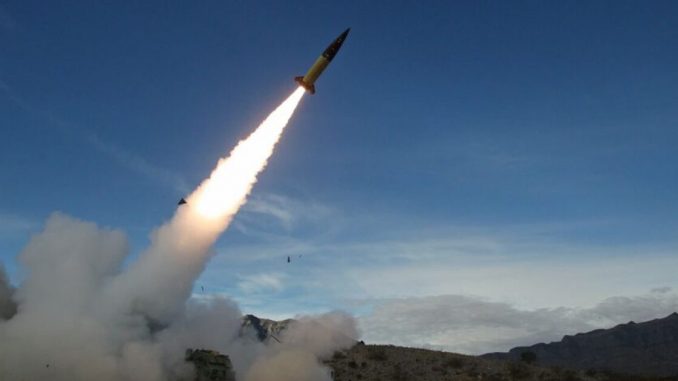
According to military reports, the attack involved a combination of missiles and armed drones targeting the base late Friday. The strike managed to penetrate air defenses and hit a section of the facility where personnel were present.
Officials confirmed:
- 10 troops were initially reported wounded, later updated to around 12 injured
- At least two service members are in serious condition
- Others suffered concussions, burns, and minor injuries
- A building inside the base sustained direct damage
- Several U.S. military aircraft, including refueling planes, were also damaged
Emergency response teams quickly secured the area, and the injured were transported to nearby medical facilities for treatment.
Why This Base Matters
Prince Sultan Air Base is one of the most important U.S. military installations in the region. It plays a key role in:
- Coordinating air operations across the Middle East
- Supporting surveillance and intelligence missions
- Acting as a hub for rapid military response
Because of its strategic value, the base has become a frequent target for hostile forces seeking to weaken U.S. presence in the region.
Bigger Picture: A Growing Conflict
The attack is part of a wider confrontation between the United States and Iran that has intensified since early 2026.
Recent figures show:
- Over 300 U.S. troops have been wounded in related incidents
- At least 13 American service members have been killed
- Multiple U.S. bases across the region have faced repeated drone and missile threats
Analysts say these attacks show that opposing forces still have the capability to strike U.S. targets, even with advanced defense systems in place.
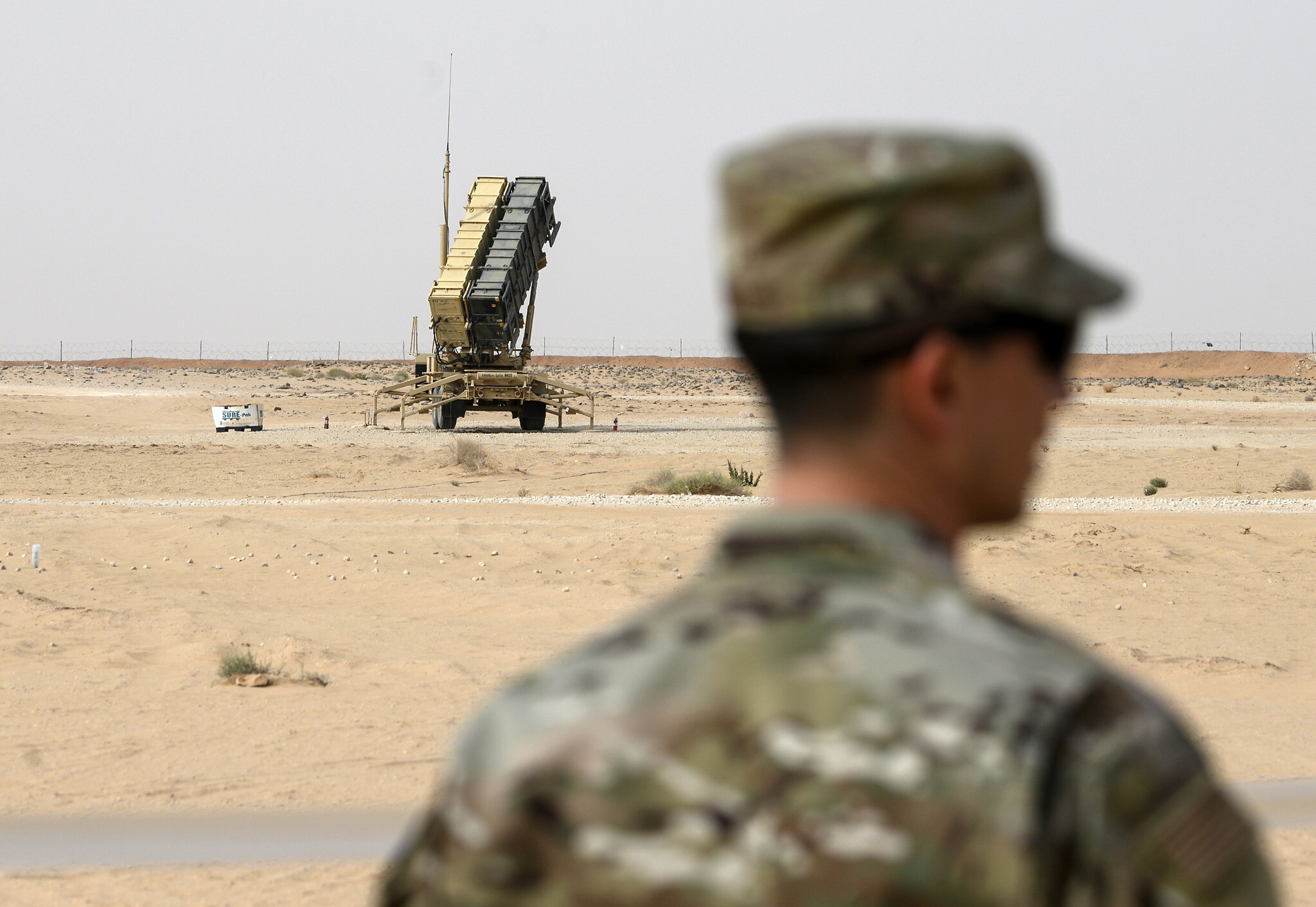
Illustrative: In this February 20, 2020, file pool photo, a member of the US Air Force stands near a Patriot missile battery at Prince Sultan Air Base in Saudi Arabia. (Andrew Caballero-Reynolds/Pool via AP)
Military and Security Concerns
This latest strike raises several concerns among defense officials:
- Base vulnerability: Even heavily defended installations are still at risk
- Rising frequency of attacks: Incidents are becoming more common and more coordinated
- Risk of escalation: Each strike increases pressure for a stronger military response
There are also concerns about the safety of American personnel stationed abroad, especially in high-risk zones.
Response and What Comes Next
So far, U.S. officials have not announced a full retaliation plan, but they have confirmed that:
- Damage assessments are ongoing
- Security measures are being reviewed and reinforced
- Military leadership is considering next steps to deter future attacks
The situation remains highly fluid, and further developments are expected in the coming days.
🧩 The Core Analysis: What This Attack Really Means
The strike on Prince Sultan Air Base is not just another isolated incident—it reflects a shift in how modern conflict is being fought and tested in real time.
1. A Direct Challenge to U.S. Presence
This attack sends a clear signal: forces aligned against the United States, particularly Iran, are willing and able to target key American positions even in heavily defended areas.
Prince Sultan Air Base is not a minor outpost—it is a central hub of U.S. air power in the region. Successfully striking it, even with limited damage, shows that:
- U.S. deterrence is being actively tested
- Adversaries are becoming more confident and persistent
- Strategic locations are now regular targets, not exceptions
2. The Rise of Drone and Missile Warfare
The use of drones combined with missiles highlights a growing trend in warfare:
- These systems are cheaper, faster, and harder to fully stop
- Even advanced air defenses can be overwhelmed or bypassed
- Attacks can be launched from a distance with reduced risk to attackers
This means future conflicts may rely less on large-scale invasions and more on continuous precision strikes that slowly wear down defenses.
3. A War of Pressure, Not Just Power
Instead of one large confrontation, what is unfolding looks like a sustained pressure campaign.
By repeatedly targeting bases like Prince Sultan Air Base, opposing forces aim to:
- Stretch U.S. resources across multiple locations
- Create constant uncertainty and fatigue among troops
- Increase the cost of maintaining a military presence abroad
This kind of strategy is designed to weaken resolve over time, not just win a single battle.
4. Risk of Escalation Is Growing
Each attack raises a critical question: how long before a stronger response is triggered?
If casualties increase or key assets are destroyed, pressure will build for:
- Direct retaliation against launch sites or leadership
- Broader military engagement beyond current limits
- Possible involvement of more regional players
The danger is that small but repeated attacks can eventually lead to a much larger conflict.
5. Message to Allies and Rivals
This incident is also being closely watched by other nations. It sends two parallel messages:
- To allies: U.S. bases are not untouchable, raising concerns about security guarantees
- To rivals: there may be opportunities to challenge U.S. influence indirectly
That perception alone can shift how countries position themselves in the region.
🔗 The Synthesis: What This Attack Tells Us About the Bigger Picture
The strike on Prince Sultan Air Base is more than a single event—it represents the intersection of modern warfare, strategic signaling, and human cost. By synthesizing the key elements, we can see a clearer picture of what’s unfolding:
1. Modern Conflicts Are Evolving
The use of missiles and drones highlights a shift toward precision, asymmetric attacks. U.S. military might still dominates in conventional terms, but adversaries are finding ways to exploit vulnerabilities without direct large-scale engagement.
2. Strategic Pressure Is Constant
Repeated attacks on critical bases show a strategy of sustained pressure, designed to:
- Test U.S. defense readiness
- Strain military resources and attention
- Incrementally challenge U.S. influence in the region
This is not a one-off confrontation; it is a war of endurance and positioning.
3. Human Costs Remain Central
Behind the strategy and technology are real people—service members and families. Injuries, trauma, and the constant threat of attacks underscore the stakes beyond geopolitics, reminding us that conflict has a profoundly human element.
4. Regional and Global Implications
The attack sends signals to both allies and rivals:
- Allies may question the safety of U.S. deployments, impacting cooperation
- Rivals see that U.S. forces can be challenged, potentially emboldening further aggression
The ripple effects extend far beyond a single air base.
5. Escalation Remains a Risk
Repeated attacks raise the danger of unintended escalation. A small, tactical strike today could trigger larger, strategic responses tomorrow, pushing the region toward a broader conflict.
🏁 The Final Word:
The attack on Prince Sultan Air Base is a stark reminder that modern conflicts are complex, unpredictable, and deeply human. It highlights how even well-defended U.S. positions can be challenged by new tactics like drones and missiles, showing that military strength alone does not guarantee security.
The incident underscores the strategic pressures in the Middle East, the constant risk to service members, and the broader geopolitical implications for allies and rivals alike. As tensions continue to rise, the focus must remain on protecting personnel, reinforcing defenses, and carefully managing escalation to prevent a small attack from spiraling into a larger confrontation.
Ultimately, the Prince Sultan strike illustrates that in today’s world, preparedness, resilience, and strategic foresight are as crucial as firepower.
SOURCES: THE GATEWAY PUNDIT – DEVELOPING: 10 US Service Members Seriously Injured in Iranian Missile Attack on Prince Sultan Airbase in Saudi Arabia
MILITARY TIMES – 10 US troops wounded in Iranian attack on Prince Sultan Airbase
THE TIMES OF ISRAEL – 12 US troops wounded, 2 seriously, in Iranian attack on Saudi base — report




