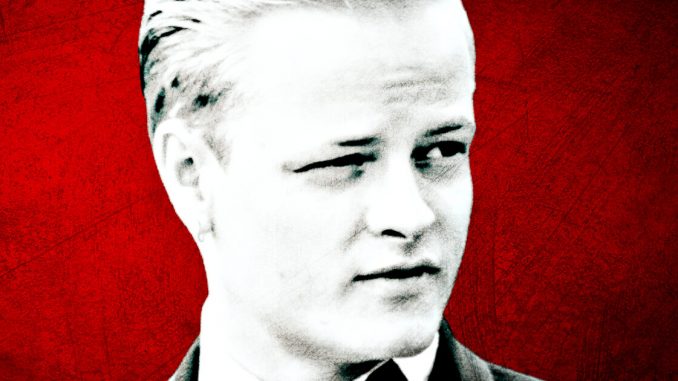
Marius Borg Hoiby is on trial for rape, assault and other offenses.
Published March 19, 2025
OSLO — Norwegian prosecutors have asked a court to sentence Marius Borg Høiby, the 29‑year‑old son of Crown Princess Mette‑Marit of Norway, to seven years and seven months in prison after a lengthy and closely watched criminal trial in Oslo.
Serious Charges and Prosecution’s Position
Prosecutors told the Oslo District Court on March 18 that Høiby should receive the lengthy sentence if convicted, pointing to multiple serious offences spread across dozens of alleged incidents. The charges include:
-
Four counts of rape of women who were alleged to have been incapacitated or asleep at the time;
-
Domestic abuse and assault against ex‑partners;
-
Other offences including multiple breaches of restraining orders, drug‑related matters, and various traffic offences.
Lead prosecutor Sturla Henriksbø argued in court that the alleged violence and sexual crimes “require a strict and tangible reaction,” and emphasized that Høiby should be treated no differently from any other Norwegian citizen despite his high‑profile background.
Høiby’s Denials and Partial Admissions
Høiby has denied the most serious allegations, including the rape charges, arguing that encounters were consensual. However, he has admitted guilt on several lesser charges, such as offensive sexual behaviour, driving violations, and other minor offences.
In testimony earlier in the trial, Høiby broke down in tears and described intense media scrutiny that he says began in early childhood due to his association with the royal family—a topic he claimed has contributed to anxiety and depression.

Royal trouble: Martius Borg and the Crown Princess Mette-Marit .
Trial and Public Attention
The trial has lasted several weeks and involved testimony from multiple alleged victims, including public figures. One former partner, influencer Nora Haukland, testified about her experiences during the proceedings.
The case has attracted widespread attention in Norway and abroad, not only because of the severity of the charges but also due to the defendant’s personal connections to the monarchy. While Høiby was raised within the royal household after his mother’s marriage to Crown Prince Haakon in 2001, he does not hold an official royal title and is legally a private citizen.
Wider Context: Royal Family Under Scrutiny
The criminal proceedings come at a sensitive time for Norway’s royal family. Crown Princess Mette‑Marit has faced separate public scrutiny over her past social ties with the late U.S. sex offender Jeffrey Epstein, which have prompted debate about her future role and contributions to royal patronages.
Opinion polls have suggested erosion in the monarchy’s popularity in recent months amid the overlapping controversies, although support for the institution overall remains relatively strong in Norway.
 Public / Political Reactions
🇳🇴 Public Reaction in Norway
-
The trial — in which prosecutors are asking for 7 years and 7 months in prison — has dominated national news and led to intense public debate about the role of the monarchy and accountability in Norwegian society.
-
Many Norwegians say the case has damaged the royal family’s image, even though Høiby is legally a private citizen with no official royal duties.
-
The case has also become part of broader discussions about royal conduct and privileges, especially because Crown Princess Mette‑Marit has been under scrutiny for past ties to convicted sex offender Jeffrey Epstein — a separate scandal that has already drawn public criticism and even comments from Norway’s prime minister.
👥 Public Opinion and Royal Reputation
-
Support for the monarchy has declined in recent months, partly due to overlapping scandals involving the royal family and accusations of preferential treatment. Polls suggest that backing for the monarchy dipped to lower levels than seen previously.
-
Some segments of the public and commentators question whether the monarchy’s reputation can be fully restored after these events, and there’s been an uptick in discussions about republicanism in Norway (i.e., abolishing the monarchy altogether).
🗣️ Political Commentary
-
Political figures and commentators have weighed in on the broader implications:
-
Analysts have said that the severity of the charges and the high‑profile nature of the case are stressing public trust in traditional institutions, even as Norway’s legal system treats Høiby like any other citizen.
-
Some journalists have asked whether the trial has been blown out of proportion or became politicized due to media coverage, sparking debate over fairness and media influence.
-
🧠 Statements from Inside the Case
-
During the trial’s closing stages, Høiby himself gave a emotional address to the court, describing how media coverage has made him feel like “an object of hatred” and claiming it has had deep psychological impacts.
-
The Crown Prince has historically sought to tread carefully, emphasizing that Høiby is not part of the official Royal House and stressing confidence in Norway’s justice system — although that statement was issued earlier in the proceedings.
 Resulting Effects :
1. Strained Reputation of the Royal Family
-
Even though Marius Borg Høiby is a private citizen, the trial has cast a shadow over the monarchy, fueling public debate about accountability, privilege, and transparency.
-
The intense media coverage has made the royal family a focal point of scrutiny, with some questioning whether past affiliations and family connections have influenced perceptions of justice.
-
There is growing concern among citizens that the prestige of the monarchy could be affected if the public sees elite figures as shielded from consequences.
2. Public Trust in the Legal System
-
The court’s handling of the case reinforces that all citizens, regardless of social status, are subject to the law.
-
By pursuing the charges rigorously, prosecutors are signaling a commitment to justice, which may strengthen public confidence in Norway’s legal institutions.
-
At the same time, the trial has exposed challenges in balancing transparency with fair treatment in high-profile cases, as media coverage can sway public sentiment before verdicts are issued.
3. Media and Social Discourse
-
The trial has heightened media scrutiny and driven extensive public discussion on social media, including debates on consent, personal responsibility, and the treatment of high-profile figures.
-
Citizens are now more aware of the legal and societal expectations placed on individuals, particularly regarding personal conduct and accountability.
-
The case may encourage news outlets and the public to examine future incidents with a sharper focus on facts rather than status or fame.
4. Implications for High-Profile Individuals
-
There is a renewed understanding that celebrity or royal connections do not exempt anyone from scrutiny or the consequences of unlawful behavior.
-
Individuals in prominent positions may exercise greater caution in personal conduct, knowing that legal accountability is public and unavoidable.
5. Broader Social Signal
-
The trial acts as a social deterrent, emphasizing that serious crimes—sexual assault, abuse, and repeated violations—carry significant consequences, no matter the perpetrator’s background.
-
The visibility of the case may prompt institutions, families, and communities to take proactive steps to educate and prevent misconduct, especially among younger adults and those in positions of privilege.
 Future Outlook:
1. Judicial Precedent and Accountability
-
The case sets a clear precedent that serious criminal behavior will be met with strict legal scrutiny, regardless of social or familial status.
-
Courts may use the outcome as a reference for handling high-profile individuals in future cases, reinforcing that justice is impartial and enforceable.
-
The sentencing—if the requested seven-plus years is upheld—would demonstrate Norway’s commitment to upholding the law without bias.
2. Public Perception and Social Norms
-
The trial has shaped public expectations about accountability, particularly for young adults in influential families or circles.
-
Citizens are likely to view law enforcement and courts as credible arbiters of justice, strengthening societal adherence to rules and ethical standards.
-
Media attention and public discourse around the trial may encourage greater vigilance in addressing personal misconduct and fostering responsible behavior.
3. Implications for the Royal Family
-
The royal family may continue to focus on clarifying boundaries between official duties and private family matters, ensuring that public trust in the institution remains intact.
-
Although Høiby is a private citizen, the fallout highlights the importance of public perception management and proactive engagement on ethics and transparency.
4. Broader Societal Impact
-
This case may serve as a cautionary example, reinforcing the notion that privilege does not grant immunity from the law.
-
It could inspire educational initiatives about consent, personal responsibility, and legal consequences, particularly for young adults and public figures.
-
Lawmakers and social institutions may use the trial as a touchstone to review policies related to domestic violence, sexual assault, and rehabilitation programs, ensuring preventative measures are effective.
5. Maintaining Stability and Trust
-
The judicial system’s impartial handling of the trial is crucial for maintaining social stability and trust in institutions.
-
Norway’s emphasis on transparency, due process, and equal treatment under the law can help mitigate long-term reputational damage and reassure the public that justice is applied consistently.
 Bottom Line:
The trial of Marius Borg Høiby underscores a fundamental principle: no individual is above the law. Despite his high-profile background and ties to the royal family, the legal system in Norway has approached the case with impartiality, ensuring that accountability is upheld for serious crimes.
The proceedings have already left lasting effects on public perception, reinforcing expectations of ethical conduct and personal responsibility. Citizens are reminded that societal trust relies on the consistent enforcement of laws, transparency in judicial processes, and equal treatment of all individuals.
Looking ahead, the trial is likely to serve as a reference point for how high-profile cases are handled, both legally and socially. It may influence broader discussions on prevention, education, and rehabilitation, while strengthening confidence in Norway’s institutions. Ultimately, the case reflects a society committed to fairness, justice, and maintaining stability, even in the face of sensitive and widely publicized matters.