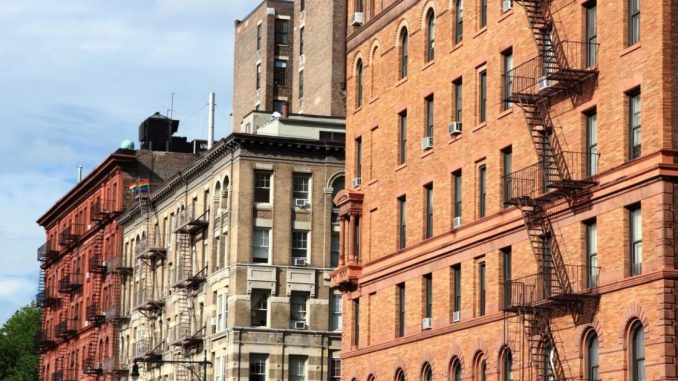
Rent control, like every other socialist policy, has been tried and has only made problems worse, not better. Yet every generation of socialists believes socialism is the answer. Photo courtesy of StreetEasy.
Published July 5, 2026
NEW YORK — A sweeping rent freeze proposal backed by New York City officials has ignited a heated political and economic debate, as critics warn it could destabilize affordable housing while supporters argue it is necessary to protect tenants in one of the world’s most expensive rental markets.
The policy, tied to Mayor Zohran Mamdani’s housing agenda, applies to roughly one million rent-stabilized apartments and would freeze rents on one- and two-year leases from October 2026 through September 2027. The decision marks one of the most aggressive rent-control actions in recent city history.
Rent Board Dissenter Raises Alarm
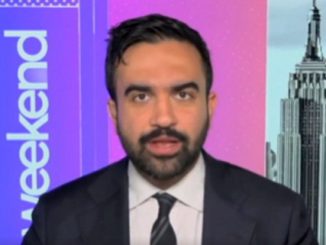
Opposition has grown inside the Rent Guidelines Board itself, where at least one dissenting member has warned that the freeze could trigger long-term damage to the city’s housing system.
Critics argue the policy may:
- Reduce incentives for landlords to maintain or upgrade buildings
- Strain small property owners facing rising insurance, maintenance, and borrowing costs
- Lead to a “slow-burn” decline in housing quality and availability
One board dissenter said the policy could unintentionally harm the same affordable housing stock it aims to protect, especially over time if operating costs continue to rise faster than rental income.
Concerns Over “Hidden Costs” of the Freeze
Housing analysts and landlord groups warn that while tenants benefit in the short term, the broader housing ecosystem may absorb negative effects.
Key concerns include:
- Deferred maintenance as landlords cut costs
- Reduced new investment in rent-stabilized housing
- Market distortion, shifting pressure into unregulated rental sectors
- Potential legal disputes over rent stabilization limits
The policy follows previous rent freezes under earlier administrations, but critics say the current measure is broader in scope and duration, intensifying concerns about unintended consequences.
Supporters Defend the Policy as Necessary Relief
Tenant advocacy groups and supporters of the administration argue that the freeze is a critical response to a worsening affordability crisis.
They point to:
- Rapid rent increases in private housing markets
- High eviction pressure on working-class tenants
- Long-standing stagnation in wage growth compared to housing costs
Supporters also argue that rent-stabilized housing is a public-interest asset and that temporary freezes help preserve economic stability for nearly a quarter of city residents.
Economic and Political Stakes Rising
The rent freeze has become a flashpoint in broader debates over housing policy in New York City, where affordability remains a defining political issue.
Economists remain divided:
- Some warn rent controls discourage long-term housing construction
- Others argue strong regulation is necessary in supply-constrained markets
The political stakes are also significant, as housing policy continues to shape voter sentiment and influence national debates on urban affordability.
 Public / Political Reactions:
🇺🇸 New York City Government & Rent Guidelines Board
The rent freeze backed by Mayor Zohran Mamdani has triggered both celebration and internal dissent within the city’s housing institutions.
- The Rent Guidelines Board voted to approve a 0% rent increase for rent-stabilized apartments, covering roughly one million units.
- Mamdani allies argue the measure is a direct response to the city’s affordability crisis and rising rent burdens.
- However, at least one board member resigned, claiming the vote process was politically predetermined.
➡️ Position: City leadership frames the freeze as tenant protection, while critics inside the system question the board’s independence.
🏠 Tenant Advocacy Groups
Tenant organizations and housing activists have strongly supported the policy.
- Advocates say the freeze prevents displacement in a city where median rents are far above national levels.
- Supporters argue rent stabilization is a “lifeline” for working-class families in high-cost neighborhoods.
- Some progressive housing groups are pushing further reforms, including public or nonprofit acquisition of distressed rental buildings.
➡️ Position: Tenant groups view the freeze as essential protection against housing insecurity and market-driven rent spikes.
🏢 Landlord Associations & Property Owners
Landlord groups and real estate stakeholders strongly oppose the policy.
- Industry representatives warn that frozen rents may not keep pace with rising insurance, maintenance, and operating costs.
- Critics argue the policy could lead to deferred maintenance and declining building conditions over time.
- Some landlords claim the freeze could discourage reinvestment in rent-stabilized housing stock.
➡️ Position: Property owners argue the policy risks long-term deterioration of affordable housing supply.
📉 Economists & Housing Analysts
Experts remain divided on the broader economic impact.
- Some economists warn that strict rent controls can reduce incentives to build or maintain rental housing.
- Others argue that in constrained housing markets, rent freezes help stabilize vulnerable populations without immediate supply collapse.
- Analysts note that market-rate rents may rise indirectly as demand shifts away from regulated units.
➡️ Position: Academic and policy experts remain split between tenant protection and market distortion concerns.
🏛️ Political Response in New York
The rent freeze has become a defining political issue in the city.
- Supporters of Mamdani frame the policy as a cornerstone of his affordability agenda.
- Opponents accuse the administration of excessive intervention in housing markets.
- The policy has intensified broader debates over socialism, housing rights, and urban economic policy.
➡️ Position: Housing policy is now a central political fault line in NYC governance.
🌍 National Political Reaction
Outside New York, the policy is drawing attention as part of a wider U.S. housing debate.
- Progressive movements in other states cite NYC as a potential model for rent regulation.
- Opponents argue it demonstrates risks of expanding rent control policies nationwide.
- Housing affordability remains a growing national political issue.
➡️ Position: NYC rent freeze is influencing broader U.S. policy discussions on housing regulation.
 Resulting Effects:
The NYC rent freeze has triggered immediate economic, housing market, and political consequences across New York City’s rental system. While the policy is designed to provide relief for tenants, its broader effects are expected to unfold over time as landlords, renters, and policymakers adjust.
1. Short-Term Relief for Renters
The most immediate impact is financial relief for tenants in rent-stabilized housing.
🏠 Around one million households are protected from rent increases during the freeze period.
💰 Tenants retain more disposable income amid rising costs of food, utilities, and healthcare.
📉 Eviction pressure may temporarily ease in some high-cost neighborhoods.
➡️ Result: Rent freeze → immediate affordability relief for stabilized tenants.
2. Financial Pressure on Property Owners
Landlords, especially small property owners, face rising operational strain.
🏗️ Insurance, maintenance, and repair costs continue to increase despite frozen rents.
🏢 Some owners may delay upgrades or non-essential maintenance.
⚖️ Financial margins tighten, particularly in older rent-stabilized buildings.
➡️ Result: Fixed rental income → growing cost imbalance for property owners.
3. Potential Decline in Housing Quality Over Time
Critics warn that long-term effects may include reduced investment in building upkeep.
🛠️ Deferred maintenance could become more common in older housing stock.
🏚️ Some buildings may experience gradual deterioration if reinvestment slows.
📊 Quality disparities between regulated and market-rate housing may widen.
➡️ Result: Cost pressure → risk of gradual decline in housing conditions.
4. Shift in Pressure to Unregulated Housing
As rent-stabilized units remain frozen, demand may shift elsewhere.
🏘️ Increased demand for market-rate apartments may push prices higher in that segment.
📈 Landlords outside rent stabilization may raise rents more aggressively.
🌆 Housing competition intensifies in rapidly growing neighborhoods.
➡️ Result: Price controls → spillover pressure into unregulated rental market.
5. Political Polarization Intensifies
The rent freeze deepens political divisions in New York City and beyond.
🏛️ Supporters frame it as essential protection for working-class residents.
📢 Critics argue it reflects excessive government intervention in markets.
🗳️ Housing policy becomes a central issue in upcoming elections and debates.
➡️ Result: Housing policy → increased political polarization.
6. Long-Term Housing Market Uncertainty
Uncertainty grows regarding future investment in rental housing.
🏗️ Developers may reassess long-term returns in rent-stabilized sectors.
📉 Investors weigh regulatory risks more heavily in housing decisions.
📊 Policymakers face pressure to balance affordability with housing supply growth.
➡️ Result: Policy uncertainty → cautious investment behavior in housing market.
7. Broader Policy Debate on Rent Control
The NYC decision contributes to a wider national conversation.
🇺🇸 Other U.S. cities are watching the outcome closely.
📚 Economists continue debating rent control’s long-term effectiveness.
🏙️ Housing affordability remains a central urban policy challenge nationwide.
➡️ Result: NYC policy → national debate on rent regulation and affordability.
 Future Outlook:
The NYC rent freeze is expected to shape the city’s housing market, political landscape, and policy direction well beyond its implementation period. While it provides immediate tenant relief, its long-term trajectory will depend on economic conditions, housing supply responses, and political pressure.
1. Possible Extension or Expansion of Rent Controls
The current freeze may not remain a one-year policy.
📜 Tenant advocates are already pushing for continued or expanded freezes in future cycles.
🏛️ City officials may face political pressure to maintain strict rent controls if affordability worsens.
🗳️ Upcoming elections could influence whether the policy is extended or modified.
➡️ Outlook: Temporary measure → potential long-term or recurring rent control policy.
2. Continued Debate Over Housing Supply
The city is likely to face mounting pressure to address housing shortages.
🏗️ Critics argue rent freezes discourage new construction in regulated segments.
📈 Supporters counter that stronger regulation is needed in constrained housing markets.
🏢 Policymakers may explore incentives for new affordable housing development.
➡️ Outlook: Policy tension → ongoing conflict between regulation and housing expansion.
3. Increasing Political Polarization
Housing policy is expected to remain a major political dividing line.
🏛️ Progressive groups advocate for stronger tenant protections and expanded controls.
📢 Conservative and pro-market voices push for deregulation and investment incentives.
🗳️ Housing affordability will remain central in city and state elections.
➡️ Outlook: Rent freeze → long-term political fault line in NYC governance.
4. Potential Market Adjustments
The housing market may gradually adapt to regulatory constraints.
🏘️ Landlords may shift investment toward unregulated or luxury housing segments.
📉 Some properties may see reduced reinvestment or slower value growth.
📊 Developers may seek policy clarity before expanding rental portfolios.
➡️ Outlook: Market adaptation → gradual restructuring of investment patterns.
5. Pressure for Broader Housing Reform
The freeze may accelerate broader housing policy discussions.
🏠 Calls may increase for zoning reform and increased housing supply.
💰 Some policymakers may explore subsidies or public housing expansion.
📚 Experts emphasize combining rent regulation with long-term construction strategies.
➡️ Outlook: Rent freeze → catalyst for broader housing reform debate.
6. Uncertain Long-Term Housing Stability
The overall impact on affordability remains uncertain.
⚖️ Short-term tenant stability is likely to improve under the freeze.
📉 Long-term effects on supply, quality, and investment remain contested.
🔄 Future outcomes depend on whether complementary policies are introduced.
➡️ Outlook: Mixed outcomes → balance between protection and market pressure remains unresolved.
 Bottom Line:
The NYC rent freeze delivers immediate financial relief to roughly one million rent-stabilized tenants at a time of persistent housing affordability pressure, marking one of the city’s most significant interventions in the rental market in recent years. However, the policy also intensifies an already polarized debate over how best to balance tenant protection with housing supply stability.
Supporters view the freeze as a necessary safeguard against displacement and rising living costs, while critics warn it could reduce long-term investment in housing maintenance and development. The outcome will likely depend on whether the policy remains temporary or evolves into a longer-term framework.
Ultimately, the rent freeze represents a high-stakes policy choice: short-term affordability gains for tenants versus uncertain long-term effects on housing quality, supply, and market stability in New York City.
SOURCES: THE GATEWAY PUNDIT – Rent Freeze Will Effectively Take 40% of NYC Apartments off the Market
FOX NEWS – NYC rent board dissenter warns Mamdani-backed freeze could hurt affordable housing over time: ‘Slow burn’