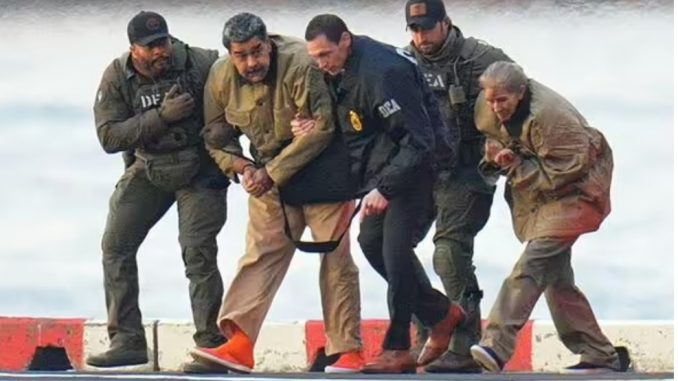
Maduro was seized during a U.S. military raid in January and remains in custody in New York (Image: Getty)
Published July 1, 2026
BROOKLYN, NEW YORK (June 30, 2026) — Former Venezuelan President Nicolás Maduro is facing a new civil lawsuit in the United States, with families of alleged victims accusing him of authorizing more than 1,300 extrajudicial killings carried out by Venezuelan security forces during his time in power.
The lawsuit, filed in federal court in Brooklyn, alleges that Maduro directed or approved a systematic campaign of unlawful executions, torture, and political repression targeting civilians and government critics. The plaintiffs are seeking damages under U.S. laws that allow victims of alleged human rights abuses committed abroad to pursue civil claims in American courts when jurisdiction exists.
The civil action comes as Maduro remains in U.S. custody awaiting trial on separate federal criminal charges, including alleged narco-terrorism and cocaine trafficking conspiracy. Maduro has pleaded not guilty to those charges.
According to court filings, the families argue that Venezuelan security forces conducted widespread operations that resulted in unlawful killings between 2014 and 2024. They claim these actions were part of a broader government policy to suppress political opposition and intimidate communities.
Attorneys representing the plaintiffs contend that senior government officials, including Maduro, bear responsibility under the principle of command responsibility, alleging they failed to prevent or punish abuses committed by security forces.
Human rights organizations have previously documented allegations of extrajudicial killings and excessive use of force by Venezuelan security agencies, although Maduro has consistently denied responsibility and has rejected international accusations of crimes against humanity.
The lawsuit seeks financial compensation for surviving family members while also asking the court to recognize the alleged human rights violations committed during Maduro’s administration. If successful, the case could become one of the most significant civil human rights lawsuits ever brought against a former foreign head of state in a U.S. court.
Legal experts note that the lawsuit is separate from the ongoing federal criminal prosecution and will proceed independently. The outcome may influence future efforts by victims of alleged state-sponsored human rights abuses to seek accountability through U.S. courts.
Maduro has not publicly responded to the latest civil allegations. His legal team has previously denied wrongdoing and argued that the criminal and civil proceedings against him are politically motivated.
 Public / Political Reactions:
🇺🇸 Families of Alleged Victims
Relatives of those allegedly killed welcomed the civil lawsuit as a step toward accountability.
- Families claim the lawsuit gives victims an opportunity to seek justice after years of alleged human rights abuses in Venezuela.
- Plaintiffs argue that senior government officials, including Nicolás Maduro, should be held personally responsible for the alleged extrajudicial killings.
- Attorneys representing the families described the case as an effort to obtain recognition for victims and compensation for surviving relatives.
➡️ Position: Victims’ families are seeking legal accountability and recognition for alleged human rights violations.
⚖️ Human Rights Organizations
Human rights advocates say the lawsuit highlights longstanding allegations against the Maduro government.
- Rights groups have previously documented reports of extrajudicial killings, arbitrary detention, and political repression in Venezuela.
- Advocates believe the civil case could strengthen international efforts to hold senior officials accountable.
- Several organizations continue to call for independent investigations into alleged crimes committed during Maduro’s administration.
➡️ Position: Human rights groups support continued investigations and accountability for alleged abuses.
🏛️ Maduro’s Legal Team
Maduro has denied wrongdoing and continues to contest the allegations.
- His attorneys have maintained that both the criminal prosecution and related civil lawsuits are politically motivated.
- Maduro has pleaded not guilty to separate U.S. federal criminal charges.
- His legal defense is expected to challenge both the jurisdiction of U.S. courts and the factual basis of the allegations.
➡️ Position: Maduro’s defense rejects the allegations and disputes the legitimacy of the U.S. legal proceedings.
🇺🇸 U.S. Officials and Legal Experts
Legal observers say the lawsuit represents an important test of U.S. human rights litigation.
- Experts note that the civil case is separate from the ongoing federal criminal prosecution.
- Some legal analysts believe the lawsuit could influence future cases involving alleged human rights abuses committed abroad.
- U.S. courts will determine whether the plaintiffs have established sufficient legal grounds to proceed.
➡️ Position: Legal experts view the case as a potentially significant precedent in international human rights litigation.
🌎 International Community
The lawsuit has renewed international attention on Venezuela’s human rights record.
- Governments and international organizations continue to monitor legal proceedings involving Maduro.
- Human rights advocates argue the case underscores the importance of accountability for alleged state-sponsored abuses.
- Observers say the outcome could affect future international efforts to prosecute alleged crimes against humanity.
➡️ Position: The international community remains focused on accountability and the broader implications for human rights enforcement.
 Resulting Effects:
The civil lawsuit against former Venezuelan President Nicolás Maduro is expected to have significant legal, political, and diplomatic implications. While the case is still in its early stages, it has renewed international attention on alleged human rights abuses in Venezuela and the pursuit of accountability through U.S. courts.
1. Increased International Scrutiny of Human Rights Allegations
The lawsuit has brought renewed focus to allegations of extrajudicial killings and political repression.
🌎 Human rights organizations are expected to closely monitor the proceedings.
📋 The case may encourage further documentation of alleged abuses committed under Maduro’s administration.
⚖️ International observers continue to call for independent investigations into alleged crimes against humanity.
➡️ Result: Civil lawsuit → heightened global attention on Venezuela’s human rights record.
2. Expanded Legal Accountability Efforts
The case may encourage additional victims to pursue legal remedies.
⚖️ Families of alleged victims could file similar civil claims in U.S. or international courts.
📑 Legal experts say the lawsuit may strengthen the use of civil litigation to seek accountability for alleged human rights violations.
🏛️ The proceedings could influence future cases involving former government officials accused of serious abuses.
➡️ Result: Lawsuit filed → broader efforts to pursue legal accountability.
3. Continued Legal Challenges for Maduro
The civil case adds to Maduro’s existing legal problems.
⚖️ The lawsuit is separate from the ongoing U.S. federal criminal prosecution.
📋 Maduro’s legal team is expected to challenge the allegations and the jurisdiction of the U.S. court.
🧑⚖️ Both civil and criminal proceedings may continue simultaneously.
➡️ Result: Additional litigation → increased legal pressure on Maduro.
4. Diplomatic and Political Implications
The lawsuit may further affect international relations involving Venezuela.
🌐 The case is likely to renew discussions on democracy, human rights, and accountability in Venezuela.
🏛️ Governments supporting international justice efforts may closely follow the proceedings.
📢 Venezuelan political groups are expected to cite the lawsuit in ongoing debates over the country’s leadership and governance.
➡️ Result: High-profile case → renewed diplomatic and political attention.
5. Greater Awareness Among Victims and Advocacy Groups
The lawsuit highlights legal avenues available to victims of alleged human rights abuses.
👥 Families and advocacy organizations may become more aware of options for seeking justice through foreign courts.
📣 Human rights groups are expected to continue supporting survivors and documenting alleged violations.
🤝 The case may encourage greater international cooperation on accountability initiatives.
➡️ Result: Increased visibility → stronger support for victims seeking justice.
6. Potential Impact on International Human Rights Litigation
Legal experts believe the outcome could influence future cross-border human rights cases.
📖 A successful lawsuit may serve as a reference for similar claims involving foreign officials.
⚖️ The case could shape how U.S. courts handle civil actions related to alleged crimes against humanity.
🌍 The proceedings may contribute to evolving international standards for accountability and victims’ rights.
➡️ Result: Landmark litigation → possible long-term influence on international human rights law.
 Future Outlook:
The civil lawsuit against former Venezuelan President Nicolás Maduro is expected to remain closely watched as it moves through the U.S. legal system. Beyond its immediate legal implications, the case could influence international human rights litigation, diplomatic relations, and future efforts to hold former government leaders accountable for alleged abuses.
1. Civil Lawsuit Will Move Through U.S. Courts
The case is expected to undergo extensive legal proceedings.
⚖️ Federal judges will determine whether the plaintiffs’ claims can proceed under applicable U.S. law.
📑 Maduro’s legal team is expected to challenge the court’s jurisdiction and the allegations.
🧑⚖️ The litigation could take months or years before a final judgment is reached.
➡️ Outlook: Ongoing court proceedings → continued legal examination of the allegations.
2. Criminal and Civil Cases Will Proceed Separately
Maduro continues to face separate criminal charges in the United States.
⚖️ The civil lawsuit is independent of the federal criminal prosecution.
📋 Developments in one case may attract attention but will not automatically determine the outcome of the other.
🏛️ Both proceedings are expected to remain under close public and international scrutiny.
➡️ Outlook: Parallel legal actions → sustained legal pressure on Maduro.
3. Greater Focus on Human Rights Accountability
The case is likely to strengthen international discussions on accountability.
🌎 Human rights organizations are expected to continue documenting alleged abuses in Venezuela.
📢 Advocacy groups may encourage additional victims to pursue legal remedies where jurisdiction permits.
🤝 International cooperation on investigating alleged human rights violations could increase.
➡️ Outlook: High-profile lawsuit → continued emphasis on justice and accountability.
4. Potential Influence on International Human Rights Litigation
Legal experts say the lawsuit could shape future cross-border civil cases.
📖 The proceedings may serve as a reference for lawsuits involving former foreign leaders accused of serious abuses.
⚖️ Courts may further define the circumstances under which U.S. jurisdiction applies in international human rights claims.
🌍 The outcome could influence future efforts to seek remedies through domestic courts for alleged international crimes.
➡️ Outlook: Landmark litigation → possible impact on future human rights cases.
5. Diplomatic and Political Repercussions May Continue
The lawsuit is expected to remain a point of discussion in international relations.
🏛️ Governments and international organizations will likely monitor the case closely.
🌐 The proceedings may affect ongoing discussions about Venezuela’s political future and human rights record.
📣 The case could become part of broader debates on democracy, accountability, and the rule of law in Latin America.
➡️ Outlook: International attention → continued diplomatic and political implications.
6. Long-Term Significance for Victims Seeking Justice
The lawsuit may encourage broader efforts to pursue accountability for alleged abuses.
👥 Families of alleged victims may continue seeking recognition and compensation through legal channels.
⚖️ Human rights advocates hope the case will reinforce the principle that senior officials can be held accountable under the law.
📋 Regardless of the outcome, the proceedings are expected to contribute to the global conversation on victims’ rights and transitional justice.
➡️ Outlook: Pursuit of justice → lasting influence on international human rights advocacy and legal accountability.
 Bottom Line:
The civil lawsuit filed in a U.S. federal court against former Venezuelan President Nicolás Maduro represents another major effort to seek accountability for alleged human rights abuses committed during his administration. Families of the plaintiffs accuse Maduro of authorizing more than 1,300 extrajudicial killings, while Maduro and his legal team continue to deny the allegations and maintain that the proceedings are politically motivated.
Although the lawsuit is separate from the criminal charges Maduro faces in the United States, it underscores growing international efforts to use domestic courts to pursue justice for alleged crimes committed by foreign leaders. The case is expected to draw significant attention from human rights organizations, legal experts, and governments monitoring Venezuela’s political and humanitarian situation.
➡️ Bottom Line: The lawsuit marks a significant step in the pursuit of accountability for alleged human rights violations in Venezuela. While the allegations remain to be proven in court, the case is likely to influence future human rights litigation, international justice efforts, and the broader debate over holding former heads of state legally responsible for alleged abuses.
SOURCES: NEWSMAX – Families Sue Maduro in US Over Venezuela Killings
DAILY US EXPRESS – Nicolás Maduro accused of authorizing executions of 1,300 people as he’s charged in US
ASEANNOW – Maduro Accused Of Authorising 1,300 Killings As Families Sue In US Court